
Blog4/13/2026
Best Eco-Friendly Gifts for Outdoor Enthusiasts
5 mins Read
The Briefing
Quick takeaways for the curious
Choosing eco-friendly gifts helps preserve wild places and honors the nature-loving outdoorsperson.
The Leave No Trace Consumerism approach emphasizes durability, repairability, and responsible end-of-life cycles to minimize resource extraction.
By selecting gear designed to last and be repaired, gift givers support a long-term relationship with equipment rather than a disposable mindset.
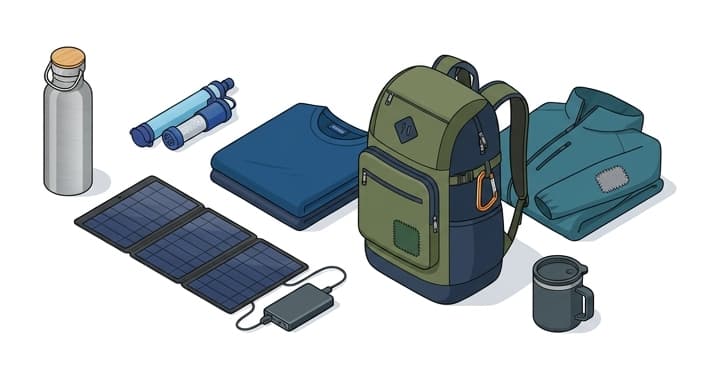
Reusable hydration and filtration systems cut plastic waste and ensure safe hydration in backcountry settings.
Solar-powered solutions and ethically sourced apparel reduce environmental impact across energy and clothing categories.
For the outdoor enthusiast, the greatest gift isn’t a shiny new gadget that will clutter a gear closet; it is the preservation of the wild places they love to explore. At HootFinds, we believe that choosing gear that respects the environment is the ultimate way to honor a passion for nature, ensuring that the trails, peaks, and waterways remain pristine for generations to come.
The Philosophy of "Leave No Trace" Consumerism
When we talk about outdoor gear, we are often talking about high-performance materials that require intensive manufacturing processes. However, the intersection of outdoor exploration and sustainability is rooted in the "Leave No Trace" ethos. Just as we are taught to tread lightly on the earth while hiking, we should apply that same principle to our shopping habits. At HootFinds, we champion "Leave No Trace Consumerism." This approach prioritizes products designed for extreme durability, repairability, and responsible end-of-life cycles.
Instead of falling for the allure of "fast outdoor gear"—which often uses cheap, virgin plastics and non-recyclable coatings—we focus on items built to withstand years of abuse. By gifting gear that lasts, you are effectively reducing the demand for new resource extraction. Whether it is a jacket that can be patched, a water filter that saves thousands of single-use bottles, or a camp stove designed for decades of reliability, your gift should serve as an extension of their commitment to protecting the wild.
Investing in Durability and Repairability
The most eco-friendly piece of gear is the one that stays in your pack for a decade rather than ending up in a landfill after one season. When shopping for the hiker, climber, or paddler in your life, look for brands that offer lifetime warranties and, more importantly, robust repair programs. A company that encourages you to send back a torn rain shell for a patch is a company that stands behind the longevity of their product.
When evaluating potential gifts, ask yourself: Is this item modular? Can it be repaired? Is it made from recycled or natural, biodegradable materials? For example, a high-quality wool base layer is a superior alternative to synthetic fabrics that shed microplastics into our waterways every time they are washed. Similarly, choosing items made from recycled nylon or polyester diverts waste from landfills and reduces the carbon footprint of production. When you prioritize repairability, you aren't just buying a gift; you are gifting a long-term partnership between the user and their equipment.
Essential Eco-Friendly Gear for the Sustainable Adventurer
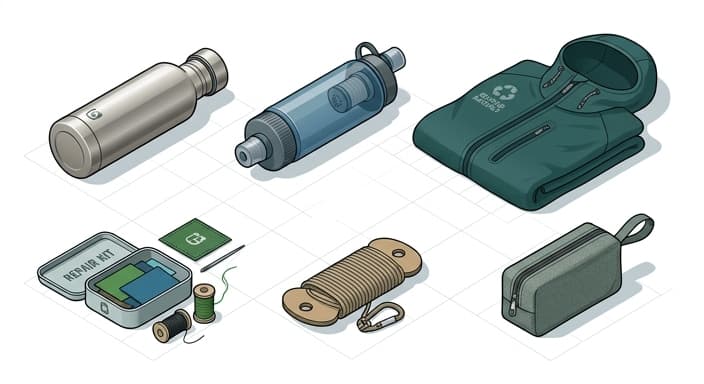
To help you navigate the market, we’ve broken down the best categories for eco-conscious outdoor gifts that offer genuine utility without the environmental toll.
1. Reusable Hydration and Filtration Systems:
The outdoor industry has made massive strides in replacing plastic water bottles. Look for high-grade, vacuum-insulated stainless steel bottles that keep water cold for 24 hours. For the backcountry trekker, gift a portable, lightweight water filtration system that eliminates the need for plastic bottles entirely. These systems turn questionable stream water into safe hydration, proving that sustainability and survival go hand-in-hand.
2. Solar-Powered Energy Solutions:
The off-grid adventurer needs power for GPS, communication, and lighting. Rather than relying on disposable batteries, opt for high-efficiency solar chargers or power banks made from post-consumer recycled plastics. These tools harness the very sun they are hiking under, providing a clean, renewable energy source that keeps them connected and safe without the waste of thousands of alkaline batteries.
3. Ethically Sourced Apparel:
Clothing is the most significant source of waste in the outdoor sector. Focus on brands that are Fair Trade Certified and use Bluesign-approved textiles, which ensure the highest level of environmental safety in the supply chain. Look for "upcycled" gear—clothing made from remnant fabrics that would have otherwise been discarded. These pieces are often one-of-a-kind and carry a story of resourcefulness that mass-produced gear simply cannot match.
The Power of Circularity in Outdoor Gear
Circularity is the next frontier in outdoor sustainability. It involves moving away from the linear "take-make-waste" model toward a system where materials are kept in use for as long as possible. Many top-tier outdoor brands have introduced "pre-loved" or "re-commerce" platforms. Buying a refurbished or gently used piece of gear from these programs is one of the most impactful ways to support a circular economy.
When you buy second-hand or refurbished, you are extending the lifecycle of a product that has already been manufactured, effectively cutting its total environmental impact by a significant margin. If you are gifting a technical jacket, a pair of hiking boots, or a climbing harness, check the manufacturer's official pre-owned site first. You will often find gear that is in near-perfect condition at a fraction of the price, wrapped in the knowledge that you have prevented another item from entering the waste stream. It is a win for the wallet, a win for the planet, and a win for the adventurer who values the authenticity of well-loved gear.

Creating Experiences Over Objects
Sometimes, the most eco-friendly gift is not a physical object at all. For the outdoor enthusiast who already has a well-stocked gear closet, consider gifting an experience that fosters a deeper connection to the outdoors. A pass to a national park system, a membership to a local land trust, or a workshop on wilderness survival or sustainable foraging provides immense value without the ecological footprint of a manufactured product.
When you gift an experience, you are supporting the organizations that maintain the trails and protect the ecosystems your loved one enjoys. You are also creating memories that are far more durable than any piece of nylon or aluminum. If you do choose a physical item, always consider the packaging. The best eco-friendly gifts arrive in plastic-free, compostable, or recyclable packaging. Small details like opting for carbon-neutral shipping or choosing local brands to reduce transportation emissions can make your gift truly complete.
Final Thoughts on Mindful Gifting
Choosing the best eco-friendly gift for an outdoor enthusiast is an act of stewardship. By focusing on durability, ethical production, and the principles of circularity, you are aligning your gift with the values of the person who receives it. Whether you opt for a high-performance, long-lasting piece of equipment or a gift that facilitates a new adventure in the wild, the goal remains the same: to support their passion while safeguarding the planet. With these intentional choices, your gift becomes more than just an item—it becomes a testament to a lifestyle that values quality, sustainability, and the enduring beauty of the great outdoors.
Common Questions
🤔
Frequently Asked Questions
What is 'Leave No Trace Consumerism' and why should I care when gifting outdoor gear?▼
Leave No Trace Consumerism echoes the ethic of minimizing impact in the wild by choosing gear designed for extreme durability, repairability, and responsible end-of-life cycles. The idea is to favor items that can last for years—like a jacket that can be patched, a water filter that replaces thousands of single-use bottles, or a camp stove built for decades of reliability—so your gift reduces the demand for new resource extraction.
How can I assess if a product is repairable?▼
When evaluating gifts, consider whether the item is modular and repairable, and whether the materials are recycled or natural and biodegradable. A company that supports repair, such as patching a torn rain shell, signals longevity. These questions help ensure the gear stays in use longer, aligning with the principle of durability over disposability.
What eco-friendly categories should I look for when shopping for outdoor gifts?▼
Key categories include reusable hydration and filtration systems that eliminate plastic bottles, solar-powered energy solutions that replace disposable batteries, and ethically sourced apparel. Look for gear that minimizes environmental toll and uses sustainable materials or certifications such as Bluesign and Fair Trade when possible.
Why are durability and lifetime warranties important for eco-friendly gifts?▼
Durability and robust repair programs ensure gear remains functional for many seasons, reducing waste and avoiding landfill disposal after a single use. Brands that offer lifetime warranties encourage buyers to treat their equipment as a long-term partner rather than a disposable commodity. This approach helps protect wild places by prolonging the life of gear.
Explore Related Topics
Browse more gift ideas in the categories this article belongs to.