Blog4/30/2026
Best Ergonomic Home Office Gifts for 2026: Sustained Comfort
5 mins Read
The Briefing
Quick takeaways for the curious
In 2026, ergonomic gifts prioritize seamless integration into daily work, focusing on physical longevity over flashy aesthetics.
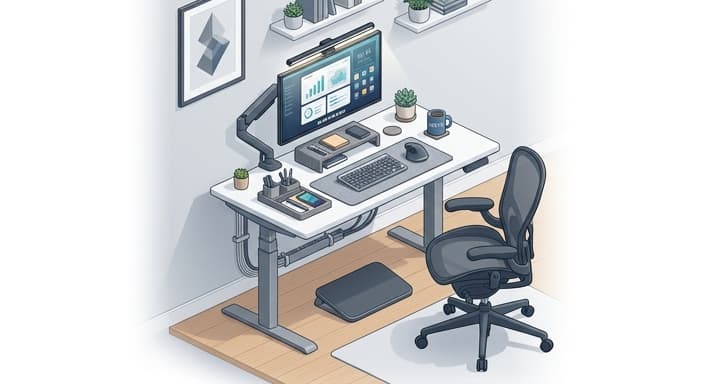
Dynamic seating with weight-activated tension and 4D armrests supports multiple postures and reduces fatigue across an eight-hour day.
Adaptive monitor systems using gas-spring arms and VESA compatibility keep screens aligned with natural gaze while preserving desk space.
Anti-glare monitor light bars and properly positioned lighting reduce eye strain far more effectively than traditional desk lamps.
Sustainable materials, intuitive interfaces, and modular designs ensure gifts perform long term and stay aligned with the user's biomechanics.
The modern home office has evolved from a temporary workaround into the central nervous system of our professional lives, yet many still find themselves tethered to setups that prioritize aesthetics over anatomy. As we move through 2026, the standard for a productive workspace has shifted from mere functionality to a deep, intentional focus on physical longevity and cognitive flow.
The Philosophy of "Ergonomic Synergy"
When shopping for home office upgrades, it is all too easy to fall into the "aesthetic productivity trap"—the temptation to buy sleek, minimalist desk accessories, glass-topped tables, or designer chairs that look stunning on social media but lack the fundamental adjustability required for an eight-hour workday. We see this cycle every year: an influx of rigid furniture, non-adjustable monitor stands, and trend-driven peripherals that promise a "clean" look but result in chronic neck strain, lumbar fatigue, and the inevitable "afternoon slump." At HootFinds, we reject the cycle of "performative workspaces." Instead, we embrace "Ergonomic Synergy."
Ergonomic Synergy is the art of selecting office gear that works in tandem with the human body’s natural biomechanics. It is the recognition that the best home office gift is one that disappears into the background, allowing the user to enter a state of deep work without the constant, nagging reminder of physical discomfort. By focusing on dynamic adjustability, sustainable materials, and intuitive interfaces, we curate a selection of tools that turn a workspace into an extension of the user’s own physical needs. When the gear is right, the office stops being a place of static confinement and becomes a hub of sustained, pain-free performance.
The Foundation: Dynamic Seating Systems
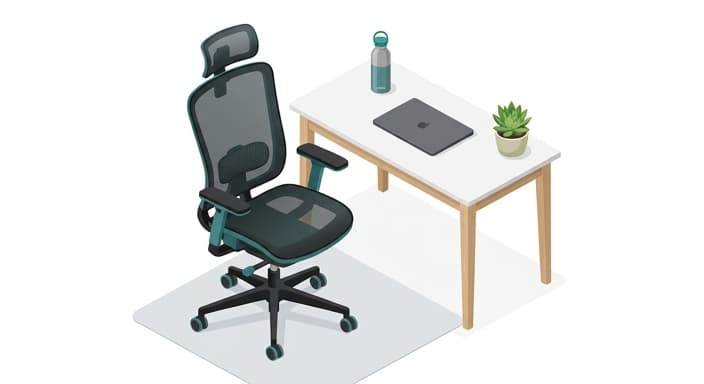
The chair is the anchor of any office, yet it is often the most misunderstood piece of equipment. In 2026, the shift is away from the "executive throne" style chair and toward dynamic seating that encourages micro-movements. The goal isn't to find a single "perfect" posture, but to facilitate a variety of postures throughout the day.
Look for chairs that offer 4D armrest adjustability, which allows you to change height, width, depth, and angle—essential for those who alternate between typing, sketching, and phone calls. Furthermore, weight-activated tension mechanisms have become the gold standard. These systems automatically adjust the recline resistance based on the user's weight, eliminating the need for complex knobs and levers that often go unused. When gifting a chair, prioritize those with breathable, high-tensile mesh or recycled performance fabrics that regulate temperature, preventing the "stuck-to-the-seat" sensation during long summer afternoons.
Elevation and Optics: The Adaptive Monitor Setup
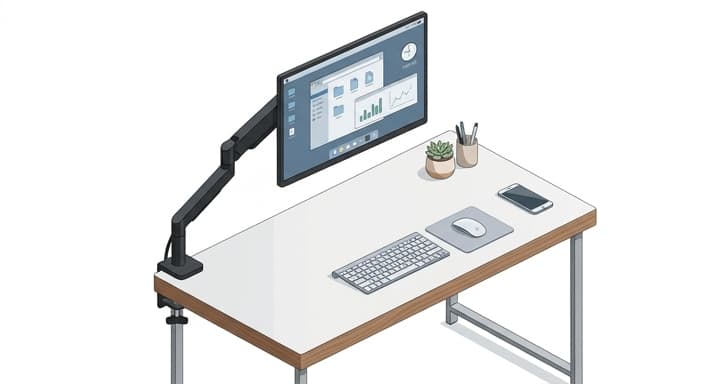
Neck pain is the silent tax of the digital age, usually caused by monitors positioned at eye-level-minus-six-inches. The most impactful gift you can give a remote worker is the ability to align their screen perfectly with their natural gaze. In 2026, the rise of "arm-based" mounting has eclipsed the traditional desktop monitor stand.
A high-quality gas-spring monitor arm provides a sense of weightlessness, allowing the user to push their screen away when they need desk space for physical documents, or pull it closer for intense focus work. When selecting an arm, look for VESA-compatible mounts with integrated cable management channels. This small detail is the difference between a cluttered, distracting desk and a clean, high-performance environment. Additionally, consider anti-glare monitor light bars that sit atop the screen. Unlike traditional desk lamps that create harsh reflections or shadows, these bars project a controlled wash of light downward, reducing eye strain and increasing contrast—a game-changer for those who work into the evening.
Input Precision: The End of "Wrist-Strain" Peripherals
The mouse and keyboard are the most heavily used tools in any professional's arsenal, yet they are often the most neglected. The "standard" office keyboard forces the wrists into a pronated, unnatural angle that, over time, can lead to repetitive strain injuries.
For the gift-giver, this is an opportunity to introduce the concept of "neutral alignment." Split-keyboards or "Alice-layout" boards are no longer just for niche enthusiasts; they have entered the mainstream as essential wellness tools. A split design allows the user to place their hands at shoulder-width, keeping the chest open and the shoulders relaxed. Pair this with a vertical or trackball mouse, which keeps the forearm in a "handshake" position rather than the flat-palm position that causes forearm tension. When shopping for these, prioritize hot-swappable switches or silent-click technology; the tactile feedback of a mechanical board provides a satisfying "click" that improves typing rhythm, while silent switches ensure that your gift won't disrupt the rest of the household.
The Integration: Environment and Cognitive Flow
True ergonomics extends beyond the physical hardware to the environment itself. In 2026, the concept of "sensory ergonomics" is gaining traction. This involves managing the cognitive load of a space through acoustic and lighting control.
Consider gifting high-quality noise-canceling headphones that feature a "transparency mode," allowing the user to shift between deep focus and ambient awareness at the touch of a button. Alternatively, acoustic desk pads made from recycled felt serve a dual purpose: they provide a smooth, tactile surface for mice and keyboards while simultaneously dampening the hard, reflective sounds of a room, creating a "dead" sonic space that is far more conducive to concentration. For those who find themselves standing, a high-density, anti-fatigue mat is essential. These mats aren't just for comfort; they are designed with varied textures—ridges, slopes, and bumps—to encourage the feet to move and shift weight, which keeps blood circulation active and prevents the stiffening associated with standing on hard flooring.
Why Intentional Gifting Matters
When we choose gifts for the home office, we are doing more than simply buying a piece of hardware; we are investing in the recipient's well-being and their ability to succeed in their career. The "Ergonomic Synergy" approach ensures that every item serves a purpose, fits into a larger ecosystem of wellness, and stands the test of time.
By rejecting the disposable culture of cheap, mass-produced office gadgets and focusing on pieces that prioritize biomechanics, longevity, and thoughtful design, you provide a gift that pays dividends every single day. Whether it's a monitor arm that saves a back from years of strain or a split keyboard that makes writing feel effortless, these tools represent a commitment to the user's health. As we navigate the professional landscape of 2026, the most valuable gift is the gift of a workspace that feels less like a chore and more like a sanctuary for high-level output. Choose items that allow the recipient to work smarter, sit better, and thrive in the space they call their own.
Common Questions
🤔
Frequently Asked Questions
What makes a chair truly ergonomic in 2026?▼
In 2026, a truly ergonomic chair prioritizes dynamic seating over fixed postures. Look for weight-activated tension, 4D armrests, and breathable fabrics that regulate temperature during long sessions. The best chairs encourage micro-movements and multiple postures, not a single perfect position. That combination reduces fatigue and supports sustained focus.
Why are monitor arms preferred over traditional stands?▼
Monitor arms provide precise, easy adjustability that keeps screens at eye level and aligned with natural gaze. They free up desk space for documents, notebooks, or peripherals and support frequent posture changes. Gas-spring arms offer effortless movement without constant knob tweaking. This flexibility is central to ergonomic synergy in modern home offices.
How can lighting reduce eye strain in a home office setup?▼
Anti-glare monitor light bars deliver controlled illumination directly onto the screen area, reducing reflections that fatigue the eyes. These bars avoid harsh shadows that desk lamps often create, improving contrast without glare. Pairing good monitor lighting with properly positioned task lights helps maintain steady focus into the evening.
What materials and design elements support sustainability and long-term comfort?▼
Look for chairs and accessories built with recycled or high-tensile fabrics and breathable mesh that endure daily use. Materials should feel comfortable across seasons and resist flattening or sagging over time. More importantly, choose modular, adjustable designs that can evolve with changing workstyles, preserving comfort and value without frequent replacements.
Explore Related Topics
Browse more gift ideas in the categories this article belongs to.