Blog6/6/2026
Best Gardening Gifts for Summer Enthusiasts: Practical Picks
5 mins Read
The Briefing
Quick takeaways for the curious
For serious gardeners who already own the basics, shift from tools to thoughtful storage and maintenance gifts that improve longevity and usability.
Upgrading to a Haws Heritage watering can offers a durable, well-balanced option made of copper or powder-coated steel, though it can dent and must be emptied after use to prevent corrosion.
A high-quality hori-hori knife is a versatile multi-tool that can replace several others, but it requires regular maintenance to prevent rust on high-carbon blades.
Durable leather gloves (goatskin or deerskin) provide real puncture resistance and last longer than cheap fabric gloves, but they require conditioning to stay comfortable as they age.
For balcony gardeners, compact, precise hand tools—such as a Japanese-style hand cultivator or the Felco 6 pruner—are ideal for small spaces and everyday tasks.
Gardeners are notoriously difficult to buy for because they already own the tools they reach for every single day. If you buy something purely decorative, it will likely end up buried under a pile of soil or forgotten in a dark shed before the season ends.
What should I buy a serious gardener who already owns a spade?
If they have the basics covered, stop looking at tools and start looking at storage or maintenance. A Haws metal watering can, specifically the Heritage indoor or outdoor model, is a significant upgrade over plastic jugs. You are looking at a price range of $80 to $130. These are copper or powder-coated steel, balanced perfectly so your wrist does not fatigue while watering delicate containers. The catch is that they are prone to dents if dropped on stone patios, and you must empty them fully after use to prevent corrosion at the seams.
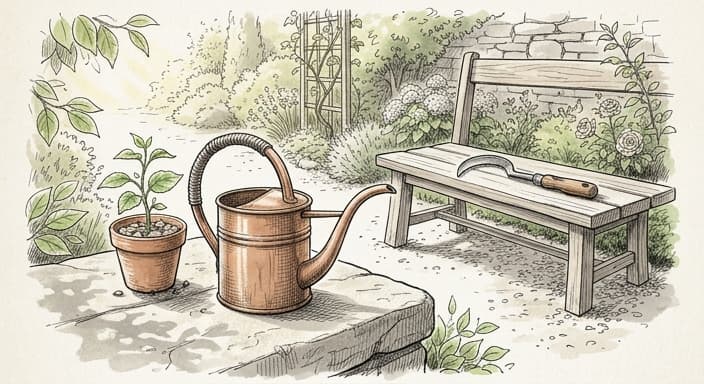
Alternatively, consider a high-quality hori-hori knife. It is a Japanese multi-tool that functions as a trowel, a knife, and a root-cutter. A good one from a brand like Barebones or a dedicated Japanese steel maker will cost between $35 and $60. It effectively replaces four other tools in your belt. The trade-off is the maintenance; because these are usually high-carbon steel, you have to keep them oiled and dry, or they will develop orange rust spots within a week of being left in the garden.
How do I pick gloves that actually last through a full summer?
Leather is the only material that makes sense for long-term use. Avoid the cheap, rubber-dipped fabric gloves you find in supermarket bins, as they shred the moment you encounter a thorny rose bush or a sharp rock. Look for goatskin or deerskin gloves from companies like Wells Lamont or Geier Glove Co. You should expect to pay $25 to $45 for a pair that provides actual puncture resistance.
The issue with leather is that it loses its suppleness if it gets soaked and then dries out too quickly in the sun. You have to treat them like boots, conditioning the leather occasionally, or they will stiffen into rigid, uncomfortable claws. It is a bit of work, but they will mold to the shape of the gardener's hands over time, becoming more comfortable the older they get. If you want something machine washable, look for synthetic suede options, though they rarely last through more than one heavy-duty season of weeding.
Is there a gift for someone who spends all day bent over in the dirt?
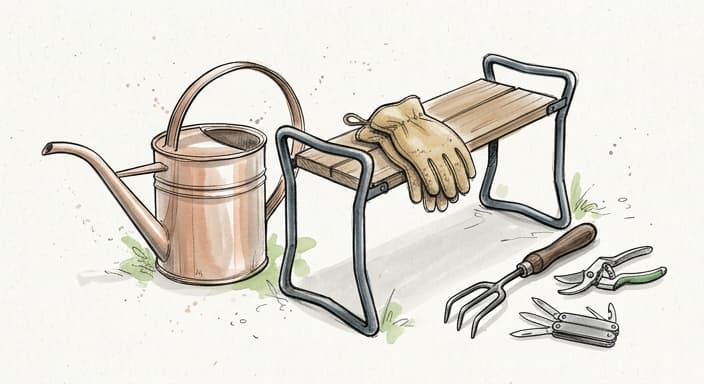
Back pain is the silent killer of gardening joy. A classic garden kneeler is a solid choice, but don't buy the flimsy foam pads that disintegrate in the rain. A steel-framed kneeler that flips over to become a bench is the gold standard here. You can find sturdy, powder-coated steel versions for $40 to $70. They keep the gardener’s knees off the hot, damp ground and provide a handle for stability when they need to stand back up.
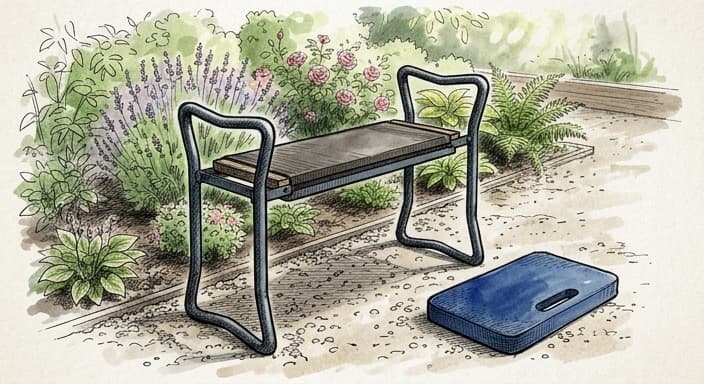
The limitation of these benches is weight and portability. They are heavy and somewhat bulky, so if the person is gardening across a large, hilly landscape, they might find dragging it around more trouble than it is worth. If they have a smaller plot, however, it is a game changer. If you want to spend less, look for high-density EVA foam pads, which cost under $20. They are minimalist, indestructible, and easy to store, though they offer zero stability for standing up.
What do I get for a gardener who has no space and only a balcony?
Container gardening is an entirely different discipline. If they are working with pots, they need precision tools, not long-handled shovels. Look for a Japanese-style hand cultivator or a miniature pruning shear. The Felco 6 pruner is the industry benchmark for smaller hands or tighter spaces, typically priced around $65 to $85. It is incredibly sharp, but the friction point is the spring; if they lose it in the grass, the tool becomes useless until you order a $5 replacement part.
You might also consider an automated irrigation system for their containers. A simple drip kit that connects to a standard faucet costs about $40 to $60. It takes the guesswork out of daily watering during heat waves. The potential downside is the "spaghetti" effect of the tubing; if you aren't careful, the balcony can start to look like a hardware store explosion. Stick to small, discreet kits that favor matte black tubing, which disappears against the foliage and doesn't look like cheap garden store clutter.
Red flags to skip
- Garden tool sets in cheap plastic buckets (these tools are usually cast aluminum and snap on the first root).
- Decorative solar lights with glass globes (the batteries die within three months, and the glass fades or cracks).
- "Garden-scented" candles or soaps (gardeners usually prefer the scent of actual dirt and rain over artificial florals).
- Any tool with a wooden handle that has been painted or varnished (the paint hides poor wood quality and will peel painfully into your palm).
- Gardening aprons with excessive, tiny pockets (they just become traps for dead leaves and earwigs).
- Novelty garden gnomes or resin figurines (these are dust-collectors that become brittle in UV light).
Buying for a gardener is about identifying where they are struggling with efficiency or comfort. Focus on items that have a high utility-to-weight ratio. If it doesn't solve a problem or make a repetitive task easier, skip it. Stick to materials that age well, like stainless steel, tempered carbon steel, and thick-grain leather. Your recipient will appreciate the lack of clutter.
Common Questions
🤔
Frequently Asked Questions
What should you buy for a serious gardener who already has the basics?▼
Consider storage or maintenance gifts rather than more tools. The Haws Heritage watering can offers an upgrade over plastic jugs, with copper or powder-coated steel construction and a price range of $80 to $130; it's balanced to reduce wrist fatigue but must be emptied after use to prevent corrosion. A high-quality hori-hori knife provides versatile functionality in a single tool, typically costing $35 to $60, yet it requires regular oiling and careful drying to prevent rust on its high-carbon blade.
How do you choose gloves that actually last through a full summer?▼
Leather is essential for long-term use. Look for goatskin or deerskin gloves from companies like Wells Lamont or Geier Glove Co, with a price range of $25 to $45. They offer real puncture resistance, but the leather can lose suppleness if soaked and dried in the sun, so you should condition them occasionally to keep them comfortable. If you want machine-washable options, synthetic suede exists, though it rarely lasts through more than one heavy-duty season.
Is there a gift for someone who spends all day bent over in the dirt?▼
Yes. A steel-framed garden kneeler that flips over to become a bench is a strong choice, typically priced from $40 to $70. It keeps the gardener’s knees off hot, damp ground and provides a handle for stability when standing. However, these benches are heavy and bulky, which can make them impractical for gardeners who move around a lot; lighter options like high-density EVA foam pads under $20 can offer a portable alternative, though they provide less stability.
What do you get for a gardener who has no space and only a balcony?▼
Container gardening calls for precision, compact tools rather than long-handled shovels. Look for a Japanese-style hand cultivator or a miniature pruning shear, with a suggested option like the Felco 6 pruner, typically priced around $65 to $85. The Felco 6 is well-suited for smaller hands or tighter spaces, delivering clean cuts in close quarters. This approach focuses on efficiency and space-saving design for balcony setups.
Explore Related Topics
Browse more gift ideas in the categories this article belongs to.