Blog4/2/2026
Best Kidulting Gifts for Creative Adults: Playful, Premium Tools
5 mins Read
The Briefing
Quick takeaways for the curious
Kidulting is a deliberate form of self-care for adults, using playful, creative hobbies to reset mental energy and reconnect with curiosity.
Shifting from a purely outcome-driven approach to a process-driven one with hands-on activities releases dopamine and promotes neuroplasticity, supporting resilience to stress.
Choosing gifts that combine form and function—high-quality materials, tactile feedback, and long-lasting design—signals that creative time is valuable.
The flow state emerges when activities strike a balance between challenge and skill, with options like adult paint-by-numbers, modern fiber arts, or complex puzzles providing immersive focus.
Creating a dedicated creative sanctuary at home, including thoughtful packaging and lifestyle touches, increases engagement and sustains the habit of play.
In an era dominated by digital notifications and the relentless pace of modern productivity, the act of play has become a radical form of self-care for adults. At HootFinds, we believe that "kidulting"—the intentional practice of engaging in playful, creative hobbies typically reserved for childhood—is not merely a trend, but a necessary psychological reset that allows us to reconnect with our curiosity, lower our cortisol levels, and rediscover the joy of making something simply for the sake of making it.
The Psychology of Adult Play: Why We Need "Kidulting"
The term "kidulting" has gained momentum because it addresses a specific void in the adult experience: the absence of low-stakes creative exploration. As adults, we often fall into the trap of "product-oriented" living. We cook to eat, we exercise to stay healthy, and we work to pay bills. When we introduce creative hobbies—like building intricate models, painting with watercolors, or assembling complex puzzles—we shift our focus to "process-oriented" living. This shift is vital for mental health.
Engaging in these tactile, creative activities triggers the release of dopamine, the brain's reward chemical, which is often stifled in the repetitive loops of our professional lives. When you sit down to build a high-end LEGO architecture set or practice the delicate art of modern calligraphy, you are not trying to "solve" a problem in the traditional sense; you are entering a state of play. This state of play encourages neuroplasticity, allowing the brain to forge new connections and approach mundane stressors from a refreshed, more resilient perspective. By embracing these creative outlets, we aren’t regressing; we are evolving our ability to find wonder in the everyday.
Curating the Creative Toolkit
Choosing the right gift for a creative adult requires moving past the "beginner kits" found in big-box stores and looking for tools that offer genuine longevity and aesthetic appeal. The goal is to provide an entry point into a hobby that feels sophisticated and rewarding. Whether you are shopping for a partner, a friend, or yourself, the best creative gifts provide a seamless marriage between form and function.
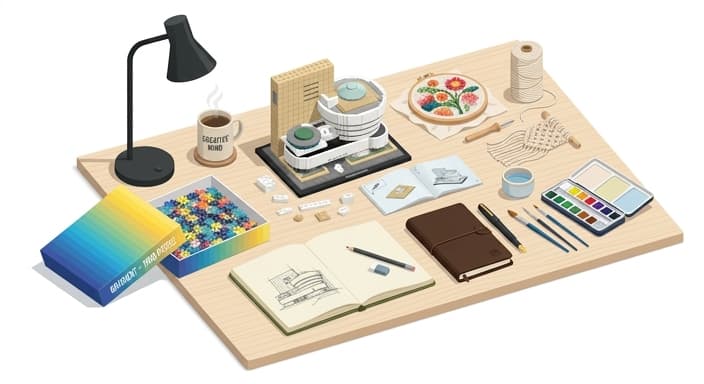
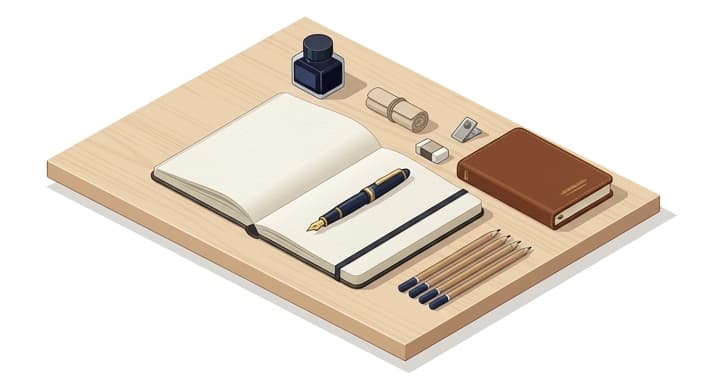
When selecting these items, look for materials that feel good in the hand. A high-quality sketchbook with thick, toothy paper invites more drawing than a flimsy notebook ever will. A fountain pen with a weighted barrel makes the act of writing feel like a deliberate ritual rather than a chore. By prioritizing quality, you signal to the recipient that their creative time is valuable and worthy of professional-grade tools.
The Art of "Flow" through Tactile Hobbies
One of the primary benefits of creative kidulting is the achievement of the "flow state"—that elusive, blissful period where time seems to vanish because you are so deeply immersed in a task. To facilitate this, look for gifts that require a moderate level of concentration. For example, modern paint-by-numbers for adults are a far cry from the messy kits of our youth; they feature complex, artistic designs and professional acrylic pigments that result in a piece of wall-worthy art.
Another excellent category is the resurgence of fiber arts. Modern macramé, punch needle embroidery, or even high-end knitting kits provide a rhythmic, meditative experience. The repetitive motion of these crafts acts as a form of mindfulness, grounding the practitioner in the present moment. If the recipient is more analytically inclined, consider architectural model building or complex, 1,000-piece gradient puzzles. These gifts provide the structure that many adults need to feel "productive" while still engaging the creative centers of the brain that have been lying dormant since childhood.
Building a "Creative Sanctuary" at Home
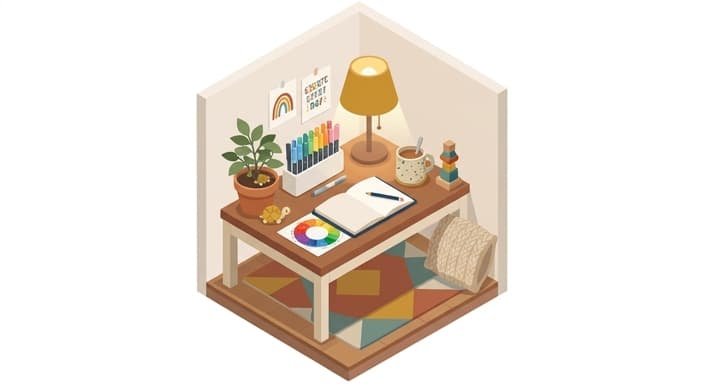
A gift is only as good as the environment in which it is used. When gifting creative supplies, consider adding a "lifestyle" element to the package to help the recipient carve out their own creative sanctuary. This could mean pairing a set of high-quality watercolor paints with a small, adjustable desk lamp that offers daylight-balanced lighting, or gifting a botanical terrarium-building kit alongside a beautiful, ergonomic gardening tool set.
The secret to sustaining a creative hobby as an adult is accessibility. If a hobby requires twenty minutes of "setup" and "cleanup," it will rarely happen. By gifting items that are beautiful enough to be left out on a desk or coffee table, you are removing the friction between the desire to create and the act itself. Encourage the recipient to designate a "kidulting corner" in their home—a space free from work laptops and household to-do lists, dedicated solely to the pursuit of joy and imagination.
The Gift of Time and Permission
Perhaps the most powerful gift you can give a creative adult is not a physical object, but the explicit permission to play without a goal. Many adults feel immense "productivity guilt" when they engage in hobbies that don't result in a side hustle or a social media post. When you present your gift, frame it through the lens of wellness. Tell them, "I saw this and thought it would be the perfect way for you to disconnect and recharge."
This simple act of validation can be transformative. It shifts the narrative from "I am wasting time" to "I am investing in my mental well-being." Consider creating a "creative bundle" that includes a small notebook for capturing fleeting ideas, a high-quality tea or coffee blend for their creative sessions, and the primary gift itself. By curating a complete experience, you are showing them that you support their need for play and that you view their creative expression as a beautiful, necessary part of who they are.
Sustaining the Spark: Beyond the Gift
Once the initial excitement of a new gift fades, the true test of a hobby is its ability to integrate into daily life. Encourage the recipient to start small. Suggest they dedicate just fifteen minutes a day to their new creative endeavor—the time it takes to drink a cup of coffee. Remind them that the goal is not perfection, but participation.
At HootFinds, we are constantly impressed by the resilience and joy that adults find when they return to the workbench, the easel, or the puzzle table. The best creative gifts are the ones that remind us that we are more than just our jobs or our responsibilities; we are explorers, makers, and dreamers. By choosing gifts that honor this side of our humanity, you are helping the people in your life build a more colorful, balanced, and joyful existence. Whether they are building, painting, stitching, or assembling, they are doing something vital: they are reclaiming their right to play.
Common Questions
🤔
Frequently Asked Questions
What makes a good kidulting gift for an adult who is new to creative hobbies?▼
Look for tools and kits that feel premium in the hand and invite experimentation without overwhelming the beginner. Avoid cheap, disposable kits in favor of durable supplies and aesthetically pleasing options that set a tone of intentional practice. The goal is to provide an entry point that is sophisticated, rewarding, and worth investing time in.
How can you choose gifts that encourage long-term engagement and flow?▼
Select activities with a moderate level of concentration that are challenging but attainable, enabling the recipient to reach a flow state. Prioritize quality materials and clear, satisfying processes—like a weighted fountain pen or a slice-of-art paint kit—that invite ritual rather than quick, disposable results. Providing a dedicated workspace or organized setup helps sustain focus over time.
Which kidulting hobbies tend to suit different personalities or schedules?▼
For the analytically minded, choose structured projects like architectural models or gradient puzzles that reward problem-solving. For the tactile learner, fiber arts such as macramé or punch needle offer meditative repetition. For those seeking visible results, adult color-by-numbers and painting can deliver wall-worthy outcomes with relatively approachable start points.
How can you present a kit as more than just tools?▼
Pair supplies with a lifestyle element, like a curated workspace setup, a notebook for notes, and a ritualized unboxing experience, so the gift feels like a meaningful habit rather than a one-off purchase. Include guidance or an inspirational prompt to invite regular practice. The presentation signals that the recipient's creative time is valued and worth protecting.
Explore Related Topics
Browse more gift ideas in the categories this article belongs to.