
Blog4/26/2026
Best Outdoor Tech Gifts for Spring: High-Fidelity Gear
6 mins Read
The Briefing
Quick takeaways for the curious
Prioritize durability, reliability, and ease of use over flashy features, adopting a High-Fidelity Exploration approach.
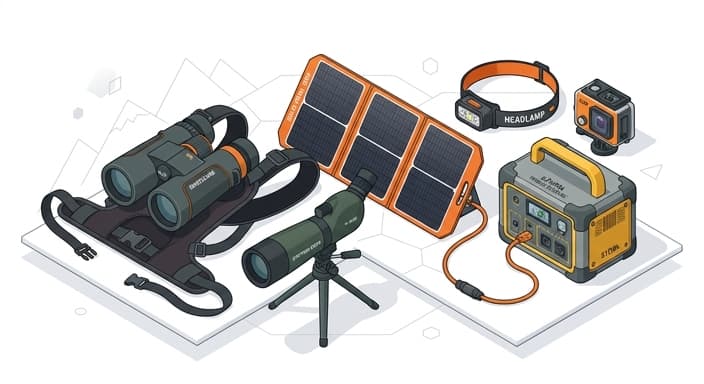
For optics, choose ED glass with lightweight, waterproof magnesium-alloy housings and a comfortable harness to maximize spring birding and wildlife viewing.
Sustainable energy solutions, like solar panels with auto-restart and LiFePO4 power stations, reduce battery anxiety without compromising portability.
Modern spring adventurers benefit from gear that seamlessly integrates with off-grid needs and weather resilience.
A thoughtful gift balances performance and simplicity, delivering clarity and immersion rather than distraction on the trail.
As the days stretch longer and the first signs of green return to the landscape, the call of the wild becomes impossible to ignore. For the outdoor enthusiast, spring is not just a change in weather; it is an invitation to reconnect with the landscape through tools that bridge the gap between human curiosity and the natural world.
The Philosophy of "High-Fidelity Exploration"
When shopping for outdoor technology, it is easy to succumb to the "feature-creep trap"—the tendency to prioritize devices that promise endless app integrations and complex touchscreens while ignoring the fundamental need for durability and ease of use. We see this cycle repeated every spring: an influx of overly sensitive smartwatches, battery-draining GPS units, and fragile Bluetooth speakers that are better suited for a living room than a trailhead. At HootFinds, we reject the cycle of "performative gadgetry." Instead, we embrace "High-Fidelity Exploration." This philosophy shifts the focus from raw technical specifications to the clarity, reliability, and emotional connection a tool fosters between the user and their environment.
High-Fidelity Exploration is the art of selecting technology that enhances, rather than interrupts, the outdoor experience. It is the recognition that true outdoor tech should be an invisible assistant—a silent partner that provides information when needed and retreats when it’s time to simply observe the sunrise. Whether it is a high-definition birding optic that brings distant wildlife into sharp relief or a weather-resistant power solution that keeps you connected without anchoring you to a grid, the goal is to provide the recipient with a clearer, more immersive window into the world around them. By prioritizing functional clarity over complexity, we ensure that the technology becomes a seamless extension of the adventure.
Precision Optics for the Spring Migration
Spring is the peak season for naturalists and birders, as millions of species return to their nesting grounds. However, the difference between catching a glimpse of a warbler and truly studying its plumage lies in the quality of your optics. When selecting binoculars or spotting scopes, look for "ED" (Extra-low Dispersion) glass, which minimizes color fringing and provides the kind of crisp, high-contrast imagery that makes identification effortless.
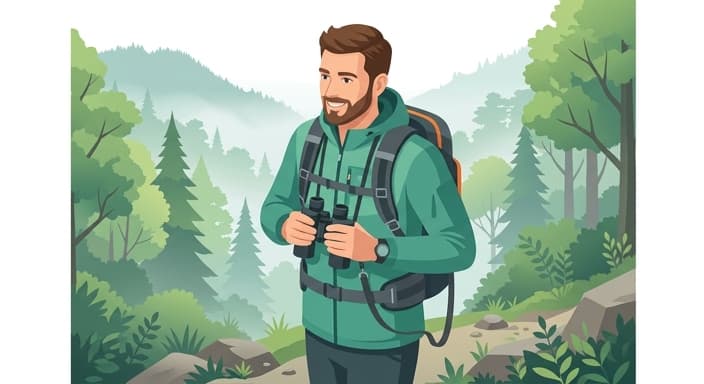
For the gift-giver, think beyond the entry-level models. Look for lightweight, waterproof magnesium-alloy housings that can withstand a sudden spring downpour. A pair of 8x42 binoculars remains the gold standard for versatility; the magnification is high enough for detail, while the 42mm objective lens ensures enough light gathering for those misty, overcast mornings when activity is at its highest. Pair this with a high-quality harness—not just a standard neck strap—to distribute weight across the shoulders, ensuring that hours of scanning don’t lead to fatigue.
Sustainable Energy for the Modern Nomad
The modern spring adventurer is often a hybrid explorer—one who carries a smartphone for GPS, a mirrorless camera for capturing the bloom, and perhaps a headlamp for dusk arrivals. The "battery anxiety" that plagued early outdoorsmen has been replaced by the need for reliable, off-grid power. However, the best gift here is not just a massive, heavy power bank, but an intelligent, solar-integrated charging system.
When shopping, look for portable solar panels that feature "auto-restart" technology. This ensures that if the sun goes behind a cloud and temporarily breaks the connection, the charger resumes immediately without needing a manual reset. Combine this with a ruggedized power station that uses LiFePO4 battery chemistry. Unlike traditional lithium-ion batteries, LiFePO4 cells offer thousands of charge cycles and are significantly more resistant to the temperature fluctuations common in spring, where the mercury can swing from freezing nights to balmy afternoons. A gift that guarantees power is, ultimately, a gift of extended time in the wild.
Bio-Syncing and Performance Tracking
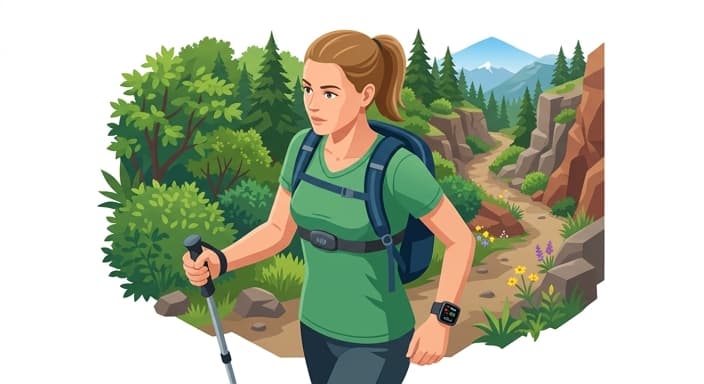
Spring is the season of training, as hikers and cyclists shake off the winter rust. Technology has moved far beyond simple step counting; today’s best tools focus on biometric synchronization. A high-end GPS multisport watch should now prioritize "Recovery Time" and "Heart Rate Variability" (HRV) metrics. These features help the recipient understand how their body is adapting to increased spring activity, preventing overtraining and injury before they start.
When choosing a wearable, pay close attention to the satellite connectivity. Modern "multi-band" GNSS technology allows a watch to lock onto multiple frequencies, providing pinpoint accuracy even in dense spring foliage or deep, narrow canyons where traditional GPS units might fail. This is not just a "nice-to-have" feature—it is a critical safety component. Pair the watch with a heart-rate chest strap if the recipient is serious about their performance; optical sensors on the wrist are convenient, but a chest strap provides the kind of medical-grade data that truly informs a training plan.
The Art of Ambient Sound and Safety
While many outdoor enthusiasts enjoy the silence, there is a growing movement of "soundscape recording"—using high-fidelity microphones to capture the specific audio signature of a forest waking up in spring. If your gift recipient is a creative, consider a compact, field-recording digital recorder. These devices are lightweight, mount easily to a tripod, and feature wind-reduction technology that allows them to capture the subtle rustle of leaves or the distant call of a raptor with studio-quality precision.
If they aren't into recording, consider the alternative: high-quality open-ear bone conduction headphones. These are a revelation for trail runners and cyclists. Because they rest outside the ear canal, they allow the user to listen to audiobooks or music while remaining fully aware of ambient sounds—the snap of a branch, the approach of another hiker, or the sound of rushing water. It is the ultimate compromise between personal entertainment and situational awareness, ensuring that the technology keeps them engaged with their surroundings rather than isolated from them.
Selecting the Gift That Grows with Them
As you evaluate these options, remember that the best outdoor tech is designed to be lived in, not just stored in a gear closet. Look for warranties that cover accidental damage—the kind that occurs when a piece of gear takes a tumble down a rocky slope. Companies that offer lifetime repairs or easy parts replacement are often the ones making the highest-quality equipment, as they stand behind the longevity of their manufacturing.
When you wrap that gift, you aren't just giving them a piece of silicon and glass; you are giving them the confidence to go further, see more, and stay out longer. Whether they are capturing the first wildflowers of the season on a high-resolution sensor or navigating a new trail with precision GPS, the right piece of technology becomes a catalyst for memory-making. By choosing items that favor resilience, clarity, and genuine utility, you are ensuring that your gift remains a trusted companion for many springs to come.
Common Questions
🤔
Frequently Asked Questions
What should I look for in spring outdoor optics as a gift?▼
Prioritize ED (Extra-low Dispersion) glass for sharp, color-accurate images and minimal chromatic aberration. Look for lightweight, magnesium-alloy housings that are waterproof and rugged enough for sudden spring rain. A comfortable harness or balance system helps reduce neck and shoulder fatigue during long scanning sessions. Pair a versatile magnification such as 8x42 with a reliable fog- and dew-resistant lens coating for a flexible viewing experience.
Which power solutions best support off-grid spring adventures?▼
Choose portable solar panels with auto-restart so charging resumes after brief cloud cover without manual intervention. Use LiFePO4-based power stations for longer life, stable temperature performance, and better resistance to frequent spring temperature swings. Look for weather-sealed enclosures and rugged cables to withstand rain, mud, and dust. Pair solar input with a compact, efficient headlamp and camera charger to keep essential gear ready without jamming pack space.
How can we avoid 'feature-creep' when choosing outdoor tech gifts?▼
Focus on High-Fidelity Exploration: the device should enhance the experience without adding friction or distraction. Prioritize durability, battery life, and intuitive controls over gadgets with every app integration. Think about how the tool will be used in real scenarios on the trail, not just what it can do in a showroom. Select items that quietly support observation and safety rather than demanding attention.
What makes a great spring gift for hikers and naturalists?▼
A great spring gift balances optical clarity, reliable power, and weather resilience with comfortable carrying. It should help the user see more, stay powered longer, and move more freely in changing conditions. The best picks feel like an invisible assistant, providing information when needed and receding afterward. Above all, they should deepen immersion in the landscape without pulling the user away from the moment.
Explore Related Topics
Browse more gift ideas in the categories this article belongs to.