Blog4/1/2026
Best Sustainable Gifts for Earth Day: Regenerative, Zero-Waste
5 mins Read

The Briefing
Quick takeaways for the curious
Earth Day gifting emphasizes regeneration and lasting impact rather than merely minimizing harm.
True sustainability involves circularity, repairability, and choosing products designed to replenish or endure.
The three pillars of impact—durability, transparency, and utility—help distinguish genuinely sustainable gifts from marketing.
Essential conscious-home categories include kitchen solutions like stainless steel or glass storage and beeswax wraps, bathroom items like solid shampoo bars and bamboo brushes, and garden tools.
Experiential gifts can reduce carbon costs associated with manufacturing while deepening connections to nature.
Earth Day is more than just a date on the calendar; it is a global invitation to pause and reconsider the footprint we leave on the world we share. At HootFinds, we believe that the best sustainable gifts are those that demonstrate that intentional living isn't about giving up the things we love, but rather choosing better, longer-lasting, and more thoughtful alternatives that honor the planet.
The Philosophy of "Regenerative Gifting"
When we talk about Earth Day gifting, we are shifting the conversation from "less harm" to "positive impact." True sustainability in the modern era is rooted in the concept of regeneration—selecting items that are designed to replenish, restore, or endure. Whether it is a product crafted from reclaimed ocean plastics or a gift that facilitates a zero-waste lifestyle, the goal is to break the cycle of disposable culture. By selecting gifts that prioritize circularity, you are teaching your friends and family that quality is an act of environmental stewardship.
The psychology of gifting here is profound. When you give a gift that is made to last a lifetime, you are gifting the recipient a sense of permanence in a disposable world. This "slow living" approach encourages the recipient to slow down, care for their possessions, and find joy in the longevity of their belongings. It transforms a simple gift exchange into a shared commitment to a healthier, more vibrant Earth.
The Science of Low-Impact Living
Sustainability often feels overwhelming because of the sheer volume of "eco-friendly" marketing that floods our feeds. To navigate this, we look for items that satisfy the "three pillars of impact": durability, transparency, and utility. A product that is sustainable on paper but gathers dust in a closet is, ultimately, a waste. The best gifts are those that solve a genuine problem in the recipient’s life without creating a new environmental debt.
Consider the "Circular Economy" model. This is the gold standard for your shopping list. Look for brands that offer repair programs, use closed-loop manufacturing, or utilize regenerative fibers like organic linen or Tencel. When a gift is designed to be returned to the earth (compostable) or repurposed (recyclable/upcycled), it eliminates the "end-of-life" anxiety associated with traditional plastics. By gifting items with this level of forethought, you are providing the recipient with a tool that aligns their daily habits with their ecological values.
Essential Categories for the Conscious Home
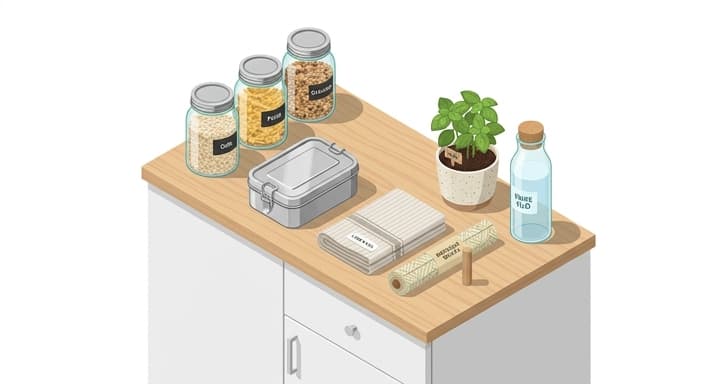
If you want to make a real difference, start with the spaces where we spend the most time: the kitchen, the bathroom, and the garden. In the kitchen, look for stainless steel or glass storage solutions that replace single-use plastic wraps and containers. These items aren't just eco-friendly; they are aesthetically superior and perform better in terms of food preservation. A set of high-quality, beeswax-coated organic cotton wraps, for instance, is a classic gift that eliminates the need for cling film for years to come.
In the bathroom, the focus should be on "waterless" beauty products and plastic-free personal care. Solid shampoo bars, bamboo toothbrushes, and refillable deodorant containers are excellent ways to introduce a loved one to a lower-waste routine. These aren't just "green" alternatives; they are often concentrated, high-performance formulas that provide a better user experience while significantly reducing carbon emissions associated with shipping heavy water-based liquids.
Curating Experiences Over Objects
Sometimes, the most sustainable gift isn't an object at all, but an experience that fosters a deeper connection to nature. Earth Day is the perfect time to pivot toward "experiential gifting." Think about memberships to local botanical gardens, seeds for a pollinator-friendly backyard garden, or a workshop on composting and urban gardening.
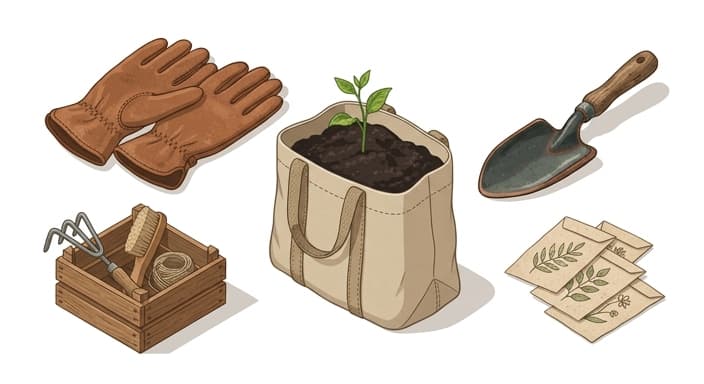
By gifting an experience, you remove the carbon cost of manufacturing, packaging, and logistics entirely. You are gifting the recipient a memory and a new skill. If you do choose a physical item to accompany this experience—such as a pair of high-quality gardening gloves or a handmade ceramic trowel—you are grounding the experience in something tangible that will assist them in their ongoing journey toward sustainable living. This dual-approach of "experience + tool" creates a lasting impact that grows with the recipient throughout the year.
The Art of Mindful Procurement
When you are ready to hit "add to cart," apply the "HootFinds Filter." Ask yourself three questions: Is this item built to last? Is the company transparent about their supply chain and labor practices? And finally, will this actually improve the recipient's daily life? If the answer to all three is yes, you have found a gift that transcends the holiday and becomes a fixture of their life.
Remember that sustainability is a journey, not a destination. Your gift doesn't have to be perfect; it just has to be a step in the right direction. Whether it is a solar-powered charger, an upcycled leather tote, or a subscription to a platform that funds reforestation projects, your thoughtful choice ripples outward. You are not just giving a gift; you are casting a vote for the kind of world you want to live in.
Tips for Sustainable Gifting Success
- Prioritize Materials: Always check for certifications like GOTS (Global Organic Textile Standard), FSC-certified wood, or Fair Trade USA labels.
- Check the Packaging: The best brands ship in plastic-free, compostable, or recycled paper packaging. If the gift arrives in a sea of bubble wrap, it might be worth reconsidering the brand for future purchases.
- Support Local/Small Batch: Smaller makers often have a much lower carbon footprint than large-scale manufacturing giants. Look for local artisans at farmers' markets or through online curated marketplaces.
- The "Gift of Time": Offer to help the recipient set up their new compost bin or teach them how to mend their clothes. Sustainability is often about building community and shared knowledge.
Ultimately, Earth Day is a celebration of our collective home. By choosing gifts that honor the planet, we reinforce the idea that we are not separate from nature, but an integral part of it. When we curate our gifts with the same care we wish to see applied to our environment, we create a legacy of stewardship. This year, let your gift be a testament to your values, a catalyst for positive change, and a beautiful reflection of the person you are giving it to. Happy Earth Day, and may your shopping be as intentional as your impact.
Common Questions
🤔
Frequently Asked Questions
What is regenerative gifting and why does it matter for Earth Day?▼
Regenerative gifting shifts the focus from minimal harm to positive environmental impact by selecting items designed to replenish, restore, or endure. It emphasizes circularity and the longevity of products, such as items made from reclaimed materials or that enable a zero-waste lifestyle. This approach teaches stewardship and makes gift-giving a commitment to a healthier planet.
What are the three pillars of impact and how can I apply them when shopping?▼
The three pillars of impact are durability, transparency, and utility. A sustainable product should last over time, provide clear information about materials and supply chains, and solve a real problem without creating new environmental debts. If a product is marketed as green but fails in practice, it isn’t a good fit; look for brands with repair programs or regenerative materials.
Which home categories are essential for a conscious gift list?▼
Key categories include the kitchen, where stainless steel or glass storage and beeswax wraps replace single-use plastics, the bathroom, with solid shampoo bars and bamboo toothbrushes, and the garden, with seed kits or composting tools. These items are not only eco-friendly but often offer better performance and longevity. They support everyday sustainability through practical, durable design.
Why might experiences be a better gift than objects for sustainability?▼
Experiential gifts, such as memberships to local gardens or composting workshops, remove manufacturing emissions from production and transport. They nurture a connection to nature without creating wasteful end-of-life products. By prioritizing experiences, you gift lasting memories while aligning with ecological values.
Explore Related Topics
Browse more gift ideas in the categories this article belongs to.