Blog4/2/2026
Best Sustainable Gifts for Eco-Conscious Kids and Families
5 mins Read
The Briefing
Quick takeaways for the curious
Conscious play shifts away from disposable plastics toward durable, thoughtfully sourced toys, teaching kids that belongings have a footprint.
Using natural materials like FSC-certified wood, organic cotton, and recycled ocean plastics helps children learn about value, resources, and the environment.
The Circular Playroom framework focuses on durability, versatility, and responsible end-of-life, guiding practical gift decisions.
Natural materials support stress reduction and open-ended play, fostering creativity and a deeper connection to the natural world.
Eco-literacy is amplified when gifts illustrate conservation, renewable energy, and real-world growth processes, turning play into ongoing learning.
Raising the next generation of environmental stewards starts with the toys they touch, the materials they explore, and the stories we tell them through play. At HootFinds, we believe that choosing sustainable gifts for children is an act of long-term investment—not just in the planet’s future, but in the child’s ability to understand their place within a delicate, interconnected ecosystem.
The Philosophy of "Conscious Play"
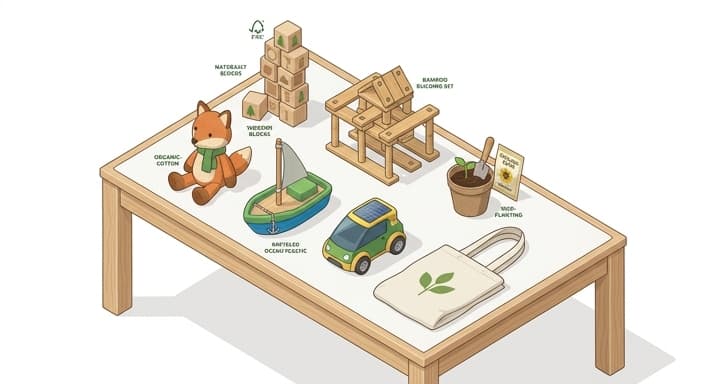
When we talk about eco-conscious gifting for children, we are moving away from the "plastic mountain" of disposable toys that clutter playrooms and eventually end up in landfills. Instead, we are embracing the philosophy of "conscious play"—the idea that the materials a child interacts with shape their understanding of value, nature, and resources. By choosing toys made from FSC-certified wood, organic cotton, or recycled ocean plastics, we are teaching children that their belongings have a history and a footprint.
This approach honors the child’s innate curiosity. When a toddler handles a smooth, sustainably sourced wooden block versus a lightweight, mass-produced plastic one, they are learning about density, texture, and the tactile reality of the natural world. These gifts aren't just objects; they are sensory bridges to the environment. By prioritizing quality over quantity, we encourage children to develop a deeper attachment to fewer items, fostering a mindset of stewardship rather than consumption.
The Developmental Benefits of Natural Materials
Nature is the original classroom. Research in environmental psychology consistently shows that children who engage with natural materials—wood, wool, stone, and organic fibers—experience lower levels of stress and higher levels of creative engagement. Unlike electronic toys that dictate how a child should play through flashing lights and pre-recorded sounds, natural toys are "open-ended." A wooden boat can be a pirate ship, a bathtub toy, or a building component in a complex architectural project.
When you gift a child a toy made from non-toxic, biodegradable, or renewable materials, you are also protecting their immediate health. Children explore the world with their hands and their mouths; ensuring that their playthings are free from phthalates, PVC, and synthetic chemical dyes is a fundamental way to support their physical well-being. Investing in heirloom-quality items also means these toys can survive years of rigorous play, eventually being passed down to siblings or friends, thus extending the lifecycle of the product and reducing the need for new manufacturing.
The "Circular Playroom" Framework
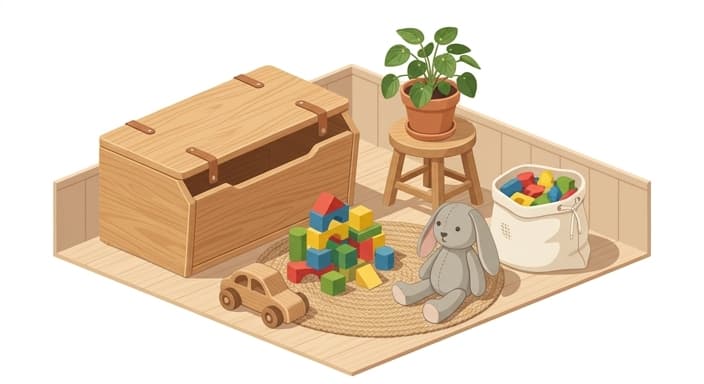
Transitioning to a more sustainable playroom doesn’t happen overnight, but it can be managed through the "Circular Playroom" framework. This strategy encourages gift-givers to consider three pillars: durability, utility, and end-of-life. Before purchasing, ask yourself: Is this built to last for years? Can it be used in multiple ways as the child grows? And when the child finally outgrows it, can it be recycled, composted, or donated?
Practical examples of this include opting for modular building sets made from recycled milk jugs or bamboo. These toys grow with the child; what begins as simple stacking for a toddler evolves into complex engineering for an older child. Another excellent path is gifting "consumable experiences"—such as a kit for planting a native pollinator garden or a subscription to a nature-based craft box. These gifts emphasize the process of growth and the beauty of the seasons, shifting the focus from "getting stuff" to "experiencing life."
Empowering Kids Through Eco-Literacy
Gifting is an ideal entry point for teaching eco-literacy. When you choose a gift that highlights conservation or renewable energy, you provide a tangible lesson that stays with the child long after the wrapping paper is gone. Consider gifting a high-quality solar-powered toy kit that demonstrates how light is converted into motion, or a beautifully illustrated book on the importance of local wildlife.
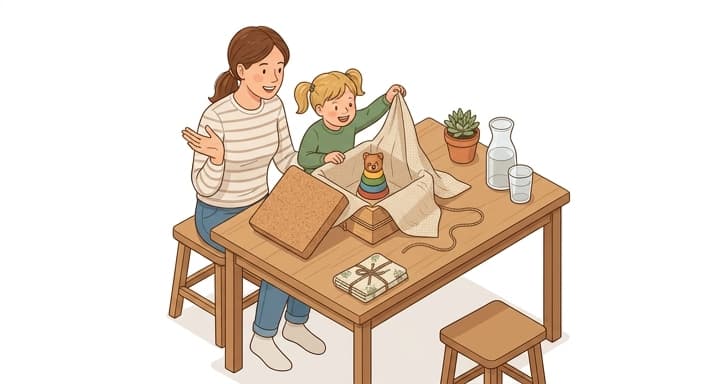
These gifts spark conversations. When a child asks, "Why is this toy made of cork instead of plastic?" you have a golden opportunity to explain the renewable nature of cork oak trees. This turns the act of opening a gift into a moment of connection and education. By integrating these values into the gift-giving experience, you are helping children build a foundation of empathy for the natural world. They begin to see themselves not just as consumers, but as guardians of the Earth.
Curating for Longevity and Purpose
When shopping for the eco-conscious child, quality should always trump trends. The most sustainable toy is the one that stays in the home for a decade rather than a month. Look for manufacturers that offer repair services or replacement parts. Brands that stand behind their products are usually the ones that prioritize sustainable sourcing and ethical labor practices.
When you select a gift, think about the "heirloom factor." Would this gift look just as beautiful in a toy chest five years from now? Is the design timeless, or is it tied to a fleeting pop-culture craze that will lose its luster by next season? By choosing items with minimalist aesthetics and robust construction, you are ensuring that the gift remains relevant. This longevity is the secret to reducing waste; when a toy is cherished and durable, it effectively disappears from the waste stream entirely.
Making the Shift: Practical Tips for Givers
If you’re ready to start your journey into sustainable gifting, here are a few actionable steps to keep in mind:
- Prioritize Plastic-Free: Look for wooden, metal, or natural fabric options first.
- Check the Certifications: Look for FSC (Forest Stewardship Council) for wood, GOTS (Global Organic Textile Standard) for fabrics, and fair-trade labels.
- Consider "Second-Life" Gifts: Don't be afraid to curate a high-quality, pre-loved gift. A vintage wooden kitchen set or a classic, well-maintained board game is often more sustainable than buying new.
- Simplify the Packaging: Sustainable gifting includes the wrapping. Use recycled kraft paper, fabric scraps (furoshiki style), or reusable gift tins instead of metallic or plastic-coated paper that cannot be recycled.
The gift of sustainability is the gift of a cleaner, more thoughtful world. By being intentional with our choices, we show the children in our lives that we value their future as much as we value their joy. When we shift the narrative of gifting from mere accumulation to meaningful connection, we foster a generation that understands that the best things in life aren't just things—they are the experiences, the values, and the natural wonders we protect together.
Common Questions
🤔
Frequently Asked Questions
What is the core idea behind the Conscious Play approach?▼
Conscious Play moves away from the plastic mountain of disposable toys and toward gifts that have a history and footprint, using materials such as FSC-certified wood, organic cotton, or recycled plastics. The aim is to teach children about value, nature, and resources, fostering stewardship rather than mere consumption. It ties play to sensory, real-world experiences and helps kids understand how objects are made and used. In practice, it means prioritizing quality and longevity over quantity to cultivate a meaningful relationship with fewer items.
Why are natural materials and non-toxic toys important for children?▼
Natural materials like wood, wool, and stone support open-ended play and can reduce stress, encouraging creativity without prescriptive electronic prompts. Non-toxic, biodegradable, and renewable materials protect health because children explore with their hands and mouths. Choosing heirloom-quality items also extends their lifecycle, allowing toys to be passed down over time and reducing the need for constant manufacturing.
What is the Circular Playroom framework and how can families apply it?▼
The Circular Playroom framework centers on three pillars: durability, utility, and end-of-life. Before buying, ask whether a toy will last for years, can be used in multiple ways as a child grows, and whether it can be recycled, donated, or composted when outgrown. Practical applications include modular building sets made from recycled materials and gifts that grow with the child, plus consumable experiences like planting kits or nature-based activity boxes. This approach helps manage waste and keeps play meaningful over time.
How can gifts foster eco-literacy and ongoing learning?▼
Gifts that highlight conservation or renewable energy provide tangible lessons that endure beyond the wrapping paper. High-quality items such as solar-powered kits demonstrate concepts like energy conversion in a hands-on way. By focusing on experiences and real-world processes, you shift the emphasis from accumulating stuff to learning and growth that continues as the child matures.
Explore Related Topics
Browse more gift ideas in the categories this article belongs to.