
Blog4/2/2026
Best Sustainable Kitchen Gifts for Spring: Eco-friendly Picks
5 mins Read

The Briefing
Quick takeaways for the curious
Spring is the ideal time to audit kitchen habits and swap disposable, plastic, and energy-intensive tools for durable, earth-friendly alternatives.
The Slow Kitchen emphasizes intention and high-quality materials like borosilicate glass, stainless steel, and organic textiles, changing the sensory experience of cooking.
A zero-waste pantry relies on non-reactive storage such as glass jars, sustainable labels, and bamboo lids to reduce waste and keep produce fresh.
Preservation through fermentation, pickling, and herb drying extends harvests and lowers reliance on long-distance produce, with gifts such as fermentation kits offering lasting value.
Conscious cleanup targets plastic sponges and other disposable basics, favoring sustainable alternatives that minimize microplastics and landfill waste.
As the frost recedes and the days grow longer, the kitchen naturally transforms into the heart of our seasonal renewal. At HootFinds, we believe that spring is the perfect time to audit our culinary habits and replace the disposable, the plastic, and the energy-intensive with tools that honor both the ingredients we cook and the planet we inhabit.
The Philosophy of the "Slow Kitchen"
Sustainable living isn’t just about the products we buy; it’s about the intention we bring to the spaces where we nourish ourselves. The "Slow Kitchen" movement is a reaction against the convenience culture that has dominated modern cooking—a culture of single-use baggies, disposable parchment paper, and plastic-coated gadgets that degrade after a few months of use. When we transition to sustainable alternatives, we aren't just reducing our carbon footprint; we are changing the sensory experience of cooking.
Choosing high-quality, durable materials like borosilicate glass, stainless steel, and organic textiles shifts our relationship with our tools. There is a profound satisfaction in using a beeswax wrap that smells faintly of honey, or a heavy-duty stainless steel mixing bowl that will likely outlive the kitchen itself. By curating a kitchen filled with intentional, earth-friendly items, we foster a deeper connection to our food. Spring cleaning isn’t just for clearing out cabinets; it’s an opportunity to curate a workspace that aligns with our values, making every meal prep a small act of environmental stewardship.
Elevating the Zero-Waste Pantry
Transitioning to a zero-waste pantry is the most impactful step you can take toward a sustainable home. As the weather warms, our appetites shift toward fresh produce, bulk grains, and vibrant salads, making this the ideal time to overhaul your storage systems. The goal is to eliminate the cycle of "buy, use, toss" by investing in modular, reusable systems that keep food fresher for longer.
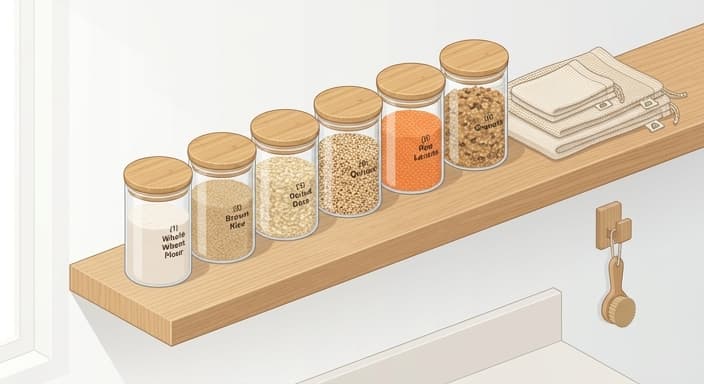
When choosing storage, look for non-reactive materials. Glass jars are the gold standard for pantry organization because they are inert, easy to clean, and allow you to see exactly what you have, which significantly reduces food waste. Pair these with sustainable labels and bamboo-topped lids to create a cohesive, plastic-free look. For those who frequently shop at bulk bins, consider gifting or acquiring a set of organic cotton produce bags. These are lightweight, washable, and breathable—perfect for keeping leafy spring greens crisp without the need for thin, single-use plastic film.
The Art of Sustainable Preservation
Spring is the prelude to the harvest season, and there is no better way to celebrate the abundance of the coming months than by equipping yourself (or a loved one) with the tools for preservation. Fermentation, pickling, and herb drying are ancient arts that are seeing a modern resurgence, and they are inherently sustainable practices. By preserving the bounty of spring and summer, you reduce the need for out-of-season, long-distance produce shipped to your grocery store.
A high-quality fermentation kit—featuring glass weights, air-lock lids, and durable glass crocks—is a transformative gift. It turns a simple cabbage or a bundle of radishes into a probiotic-rich, long-lasting staple. Beyond preservation, consider the impact of your daily kitchen tools. Many conventional spatulas, whisks, and peelers contain hidden plastics or toxic coatings that shed over time. Replacing these with bamboo, FSC-certified wood, or high-grade silicone ensures that your cooking process is as clean as the ingredients you’re preparing.
Conscious Cleanup: Beyond the Plastic Sponge
The most overlooked environmental offender in the kitchen is often the one we use every single day: the synthetic sponge. Made from petroleum-based plastics, these sponges are essentially shedding microplastics into our waterways every time we scrub a dish, and they end up in landfills by the millions annually. Switching to compostable alternatives is a small change with a massive ripple effect.
For a sustainable spring upgrade, look for scrubbing brushes made from agave fibers or coconut husks, paired with ergonomic wooden handles. These materials are naturally antimicrobial, durable, and fully biodegradable. When they eventually reach the end of their life, they can go straight into your compost bin rather than the trash. Pair these brushes with concentrated, non-toxic dish soaps in glass bottles to minimize plastic packaging and harmful chemical runoff. These small shifts turn a mundane chore into a conscious ritual, ensuring that the "spring clean" doesn't come at the expense of our local water systems.

Designing an Energy-Efficient Kitchen Workflow
Sustainability in the kitchen also extends to energy efficiency. How we heat our food and how we manage our appliances can significantly impact our household's energy consumption. Spring is a fantastic time to rethink cooking methods that rely less on high-energy appliances. For example, upgrading to a thermal cooker or an insulated Dutch oven can drastically reduce the amount of time your stove needs to be running. These vessels use residual heat to finish cooking stews, grains, and legumes, locking in nutrients and flavor while saving electricity.
Additionally, consider the gift of high-efficiency kitchen tech. If you are in the market for a new appliance, prioritize energy-star ratings and modular designs that allow for easy repairs. Many modern, sustainable brands are now offering "right to repair" guarantees, providing spare parts for their blenders, toasters, and mixers. This is the antithesis of the "planned obsolescence" that drives so much modern waste. By choosing a gift that is built to be serviced rather than replaced, you are investing in a product that respects the resources required for its manufacture.
Cultivating a Sustainable Mindset
As you curate your spring kitchen, remember that perfection isn't the goal—progress is. The most sustainable item is the one you already own and care for, but when it's time to replace a worn-out tool, choose pieces that tell a story of longevity and ethical craftsmanship. Whether it’s a set of reclaimed wood serving boards that showcase the unique grain of a fallen tree or a set of stainless steel straws that replace thousands of disposables over a lifetime, your kitchen choices serve as a reflection of your commitment to the planet.
By embracing these tools, you are moving away from the culture of convenience and toward a culture of care. This spring, let your kitchen be a place where sustainability isn't just an afterthought, but the very foundation of your culinary practice. When we invest in our tools, we invest in the ritual of cooking, the quality of our meals, and the health of the world outside our kitchen windows. Happy gifting, and may your kitchen be a source of constant, earth-conscious inspiration this season.
Common Questions
🤔
Frequently Asked Questions
What is the Slow Kitchen concept, and why is it important in spring?▼
The Slow Kitchen is a deliberate approach to cooking that rejects a convenience-driven mindset. It emphasizes choosing durable, high-quality materials and using tools that inspire care and long-term use. This shift changes not only our carbon footprint but how we experience and savor meals. Spring is a natural time to adopt this mindset as we reassess our habits and align them with environmental values.
How can you elevate a zero-waste pantry this season?▼
Focus on non-reactive storage, with glass jars that are inert and easy to clean, helping you see what you have and reduce waste. Pair them with sustainable labels and bamboo-topped lids for a cohesive, plastic-free look. For bulk shoppers, use organic cotton produce bags that are lightweight, washable, and breathable, perfect for leafy greens. This combination helps keep food fresher longer and cuts down on the buy-use-toss cycle.
What are sustainable preservation methods and gift ideas?▼
Fermentation, pickling, and herb drying are ancient arts that preserve bounty while reducing reliance on out-of-season produce. A high-quality fermentation kit with glass weights, air-lock lids, and durable glass crocks makes a transformative gift. Alongside, upgrade everyday tools to avoid plastics by choosing bamboo, FSC-certified wood, or high-grade silicone. Together, these practices support sustainability and offer a lasting, hands-on experience.
How can you rethink cleanup to minimize plastic waste?▼
One of the kitchen's biggest culprits is the petroleum-based synthetic sponge, which sheds microplastics into waterways and ends up in landfills. Switch to sustainable options such as reusable cloths, cellulose or plant-based sponges, or bamboo scrubbers. Regularly replacing disposables with durable alternatives reduces exposure to plastics and makes cleaning feel more intentional. In short, a plastic-free cleanup supports the broader goal of a slow, sustainable kitchen.
Explore Related Topics
Browse more gift ideas in the categories this article belongs to.