Blog3/24/2026
Best Tech Gadgets for Modern Kitchens: Smart Cooking Essentials
5 mins Read
The Briefing
Quick takeaways for the curious
The modern kitchen blends culinary tradition with digital innovation to boost efficiency and elevate the cooking experience.
A connected kitchen prioritizes precision, automation, and data-driven results over flashy gadgets.
The low-friction rule encourages choosing tools you don’t have to think about, automating repetitive tasks.
Gadgets like precision immersion circulators and smart meat thermometers enable set-it-and-forget-it cooking and better doneness control.
Automation and multi-stage cooking in smart appliances streamline meal prep, letting you focus on flavor, seasoning, and creativity.
The modern kitchen has evolved from a simple workspace into the true heartbeat of the home, a place where culinary tradition meets the cutting edge of digital innovation. As we move toward a more integrated lifestyle, the tools we use to prepare our meals are becoming smarter, more intuitive, and remarkably efficient, allowing us to spend less time on tedious tasks and more time savoring the results.
At HootFinds, we believe that the best tech gadgets for the modern kitchen aren't just about adding more clutter to your countertops; they are about elevating the experience of cooking and reclaiming your time. Whether you are a weekend home chef looking to master the perfect steak or a busy professional seeking to streamline your weeknight meal prep, the right technology acts as a silent sous-chef, removing friction from your routine and turning everyday cooking into a creative, stress-free endeavor.
The Evolution of the Smart Kitchen: Beyond the Basics
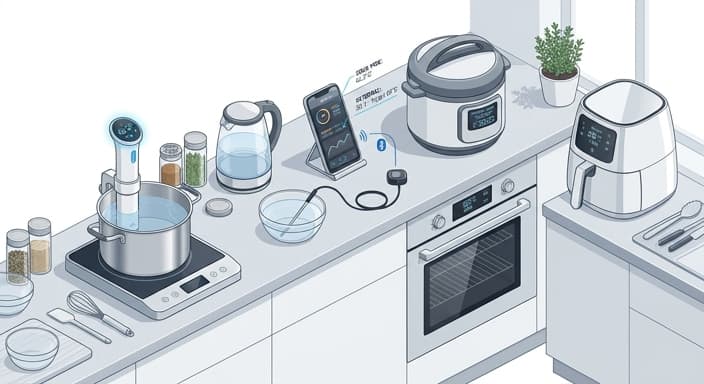
For decades, kitchen technology was limited to the speed of a microwave or the temperature settings of a standard oven. Today, we have entered the era of the "connected kitchen," where precision, automation, and data-driven results are the standard. The shift isn't just about flashy screens or Wi-Fi connectivity; it is about the "philosophy of precision." Modern gadgets allow us to achieve professional-grade results in a home setting, effectively democratizing culinary expertise.
When choosing tech for your kitchen, it is helpful to consider the "low-friction" rule: the best tools are the ones you don’t have to think about. Look for devices that automate repetitive processes—like maintaining a precise water temperature for sous-vide or monitoring the internal temperature of a roast from your smartphone. By removing the guesswork, these tools allow you to focus on the sensory aspects of cooking: the smell, the sear, and the joy of creating something delicious for the people you love.
Essential Gadgets for the Precision Home Chef
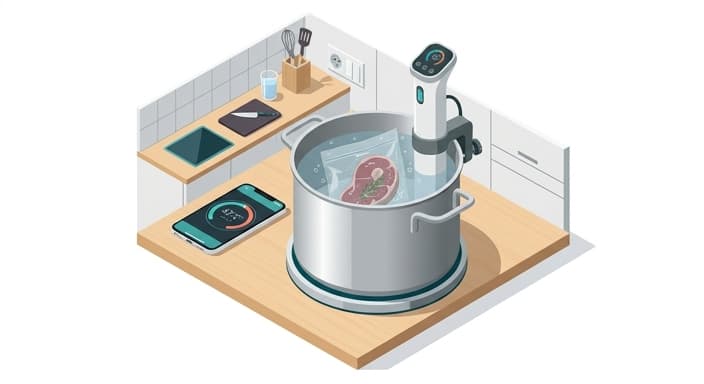
If you are ready to take your culinary game to the next level, start with tools that prioritize accuracy. The most notable game-changer in recent years is the precision immersion circulator. By circulating water at a exact, consistent temperature, it allows for "set-it-and-forget-it" cooking that yields perfectly tender proteins every single time. It is essentially impossible to overcook a steak or chicken breast when using a sous-vide method, making it an indispensable tool for anyone who struggles with timing.
Beyond sous-vide, consider upgrading to a smart meat thermometer. Unlike traditional analog thermometers that require you to open the oven door—losing heat and risking a dry result—modern smart thermometers use Bluetooth or Wi-Fi to send real-time alerts directly to your phone. These devices often include internal algorithms that calculate "carry-over" cooking time, so you know exactly when to pull your protein off the heat to reach your desired doneness while it rests. It is the kind of technology that pays for itself in the first ruined-meal-that-was-actually-saved by a well-timed notification.
Streamlining Your Workflow with Automation
One of the greatest stressors in a modern kitchen is the cognitive load of meal planning and ingredient management. This is where smart appliances—such as AI-integrated air fryers and programmable multi-cookers—truly shine. These devices are designed to handle complex heat cycles automatically, meaning you can sear, steam, and slow-cook without constant manual intervention.
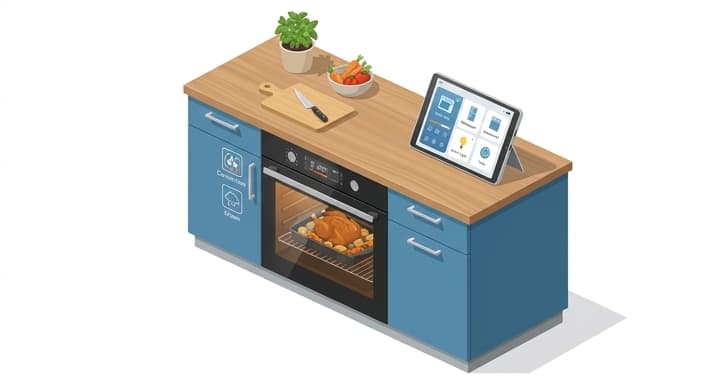
To truly streamline your workflow, look for gadgets that offer "multi-stage" cooking capabilities. For example, some high-end smart ovens allow you to program a sequence that starts with a steam cycle to retain moisture and finishes with a high-heat convection blast for a crispy crust. By offloading these technical maneuvers to a machine, you are left with the creative freedom to focus on flavor profiles, seasoning, and presentation. It is about creating a "smart ecosystem" where your gadgets talk to each other to ensure everything is ready at the exact same moment.
The Intersection of Health and Technology
As we become more conscious of our nutrition, kitchen tech has pivoted to support a healthier lifestyle without sacrificing convenience. Think beyond the basic blender; look for nutrient-extraction systems that optimize the breakdown of fruits and vegetables to maximize bio-availability. Additionally, smart scales are becoming increasingly popular for those who track macros or follow strict dietary protocols. These scales sync directly with health apps on your phone, logging nutritional data automatically as you weigh your ingredients.
Another area where technology supports health is in the realm of indoor herb gardening. Many modern households are now integrating "smart gardens"—compact, hydroponic systems that use energy-efficient LED grow lights to maintain a perfect climate for basil, mint, and cilantro year-round. Having fresh, pesticide-free herbs at your fingertips not only encourages you to cook with fresher ingredients but also adds a vibrant, living element to your kitchen decor. It is a perfect example of how technology can bring us closer to our food sources, even if we live in the heart of a concrete jungle.
Investing in Durability and Future-Proofing
When investing in high-tech kitchen gadgets, it is easy to get caught up in the latest trends, but we always recommend prioritizing build quality and "platform longevity." Before buying, check if the manufacturer provides consistent software updates for their apps. A smart appliance is only as good as the software that powers it; you want to ensure the device won't become obsolete the moment your phone’s operating system updates.
Look for modular designs and stainless-steel finishes that won't show age. While a gadget might be "smart," it should still feel like a high-quality piece of kitchen hardware. The best investments are those that balance high-tech internal sensors with robust, ergonomic physical designs. By choosing brands that value long-term support and sustainable manufacturing, you ensure that your kitchen remains a high-functioning sanctuary for years to come.
Ultimately, the most successful kitchen technology is the kind that fades into the background, leaving you with more space to create, experiment, and enjoy. By carefully selecting gadgets that solve specific problems—whether that is precision in cooking, health tracking, or workflow automation—you transform your kitchen from a chore-filled room into a place of genuine inspiration. Embrace the tech, enjoy the process, and let these clever tools handle the heavy lifting so you can focus on the art of the meal.
Common Questions
🤔
Frequently Asked Questions
What does the 'low-friction' rule mean when selecting kitchen gadgets?▼
The 'low-friction' rule means picking tools that you don’t have to think about. These devices automate repetitive processes and minimize cognitive load. By removing guesswork, they let you focus on the sensory aspects of cooking like aroma, texture, and seasoning. Examples include sous-vide circulators and smart thermometers that monitor progress remotely.
How does a precision immersion circulator change home cooking?▼
A precision immersion circulator circulates water at an exact, consistent temperature, enabling set-it-and-forget-it cooking. This precision helps achieve tender proteins without the risk of overcooking, making it indispensable for steaks and chicken. It democratizes professional-grade results in a home kitchen.
Why are smart meat thermometers advantageous over traditional thermometers?▼
Smart thermometers use Bluetooth or Wi-Fi to send real-time temperature alerts to your phone. They often include internal algorithms to account for carry-over cooking, helping you pull proteins at the exact moment. This reduces guesswork and the chance of overcooking, saving meals that would otherwise be ruined. Plus, you avoid heat loss from opening the oven to check progress.
What is multi-stage cooking and how does it streamline kitchen workflow?▼
Multi-stage cooking refers to ovens and appliances that can run different heat cycles in sequence. You might start with a steam cycle to retain moisture and finish with a high-heat convection blast for a crispy crust. Programming these sequences offloads technical maneuvers to the machine, freeing you to focus on flavor, seasoning, and timing. It reduces manual intervention and helps maintain consistent results.
Explore Related Topics
Browse more gift ideas in the categories this article belongs to.