Blog5/19/2026
Best Unique Gifts for Aspiring Astronauts: Hands-On Learning
6 mins Read
The Briefing
Quick takeaways for the curious
The best gifts for aspiring astronauts avoid the 'Plastic Novelty Trap' and instead prioritize hands-on, educational experiences that connect curiosity to real science.
Optics that emphasize aperture over magnification and pair with star charts empower beginners to practice celestial navigation and learn the basics of orbital mechanics.
Hands-on engineering and rocketry kits turn dreams of spaceflight into practical experiments in thrust, drag, stability, and payload considerations.
Immersive learning environments and data-driven decor help aspiring astronauts see how science, engineering, and mission planning come together in real missions.
Gifts that demonstrate a connection to actual space agencies or missions—from NASA-level tools to programmable rover kits—can inspire a longer, career-oriented pursuit of space.
For the dreamer who gazes at the night sky and sees not just stars, but a destination, the ambition to become an astronaut is more than a childhood phase—it is a lifelong trajectory toward the stars. When you choose a gift for an aspiring astronaut, you aren't just buying a toy or a gadget; you are fueling a curiosity that seeks to understand the very mechanics of our universe, providing the spark that might one day ignite a career in aerospace, engineering, or planetary science.
The Philosophy of "Inquisitive Immersion"
When shopping for space enthusiasts, it is all too easy to fall into the "Plastic Novelty Trap"—the tendency to buy mass-produced glow-in-the-dark stars that peel off after a week, flimsy plastic telescope kits that provide nothing but frustration, or cheap "space-themed" apparel that lacks any connection to real-world science. We see this cycle every year: an influx of well-intentioned but hollow gifts that fail to challenge the intellect, items that prioritize aesthetic kitsch over educational value, and gadgets that turn the awe-inspiring mystery of the cosmos into a disposable, one-time-use experience.
At HootFinds, we reject the cycle of "superficial stargazing." Instead, we embrace the philosophy of "Inquisitive Immersion." This is the deliberate selection of tools, experiences, and equipment that bridge the gap between abstract wonder and tangible scientific exploration. It is the recognition that the best gifts for aspiring astronauts are those that demand active participation—tools that help them map the constellations, understand the physics of rocketry, or appreciate the sheer scale of the void. By prioritizing hands-on learning, high-fidelity observation, and authentic connection to space agencies like NASA or SpaceX, we transform a simple hobby into a foundational passion.
High-Precision Optics for Celestial Navigation
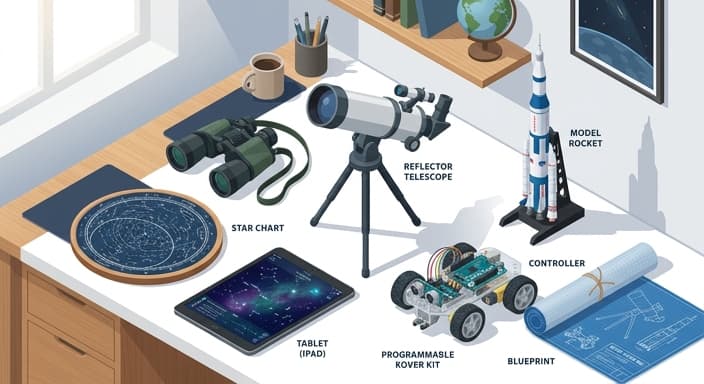
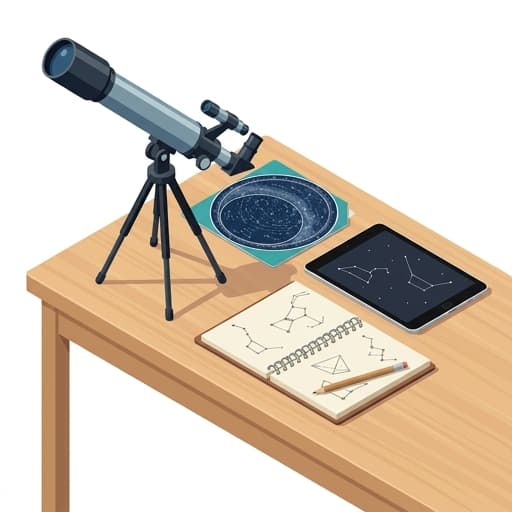
The gateway to space exploration starts right in the backyard. To move beyond the naked eye, an aspiring astronaut needs more than a toy—they need an entry-level professional instrument that teaches them how to navigate the celestial sphere. Look for "tabletop" Dobsonian telescopes or high-quality binoculars designed specifically for astronomy. These tools are far more effective for beginners than the shaky, low-quality tripods found in department store starter kits.
When selecting optics, prioritize "aperture" over "magnification." In the world of astronomy, the diameter of the lens or mirror (the aperture) determines how much light you can gather, which is the key to seeing distant nebulas and the rings of Saturn. Pair this gift with a Planisphere or a star-charting app like Stellarium. Encouraging them to learn the names of constellations and the movement of the planets turns a simple viewing session into a lesson in orbital mechanics and historical navigation.
Hands-On Engineering and Rocketry Kits
If they want to be an astronaut, they need to understand the machine that gets them there. The transition from dreamer to engineer happens when they start to grapple with the laws of physics. High-quality model rocketry kits—specifically those that use solid-fuel motors and parachute recovery systems—provide an unparalleled look at the principles of thrust, drag, and stability.
Look for kits from reputable hobbyist brands that allow for customization. The goal isn't just to launch a rocket, but to understand why it flies (or why it crashes). If they are more interested in robotics, look for programmable rover kits that simulate the challenges of exploring Mars. These kits often require the user to code their own navigation sequences, teaching them the same logic used by mission control to pilot the Perseverance or Curiosity rovers. This type of gift moves the focus from "what space looks like" to "how we survive in space," a crucial mindset for any future mission specialist.
Immersive Learning and Data-Driven Decor
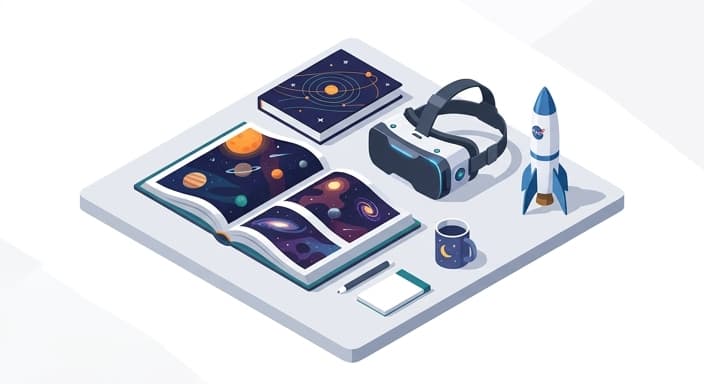
The environment in which an aspiring astronaut studies matters. Creating a space-themed room doesn't have to mean neon posters; it can mean curating a space that acts as a cockpit for learning. Consider high-fidelity, data-accurate globes—like a Moon globe that shows the landing sites of the Apollo missions or a Mars globe featuring the topography of Valles Marineris. These serve as constant reminders of the geological landscapes they hope to explore.
Additionally, consider subscriptions to aerospace-focused publications or membership in organizations like The Planetary Society. These provide monthly updates on current space missions, keeping the recipient connected to the "here and now" of space travel. When you gift a book, skip the generic "space facts" titles and opt for memoirs written by actual astronauts or technical deep-dives into the history of the International Space Station. Reading about the psychological toll of isolation or the engineering failures of early programs provides a realistic, grounded perspective that is vital for a future career in the field.
The Value of "Mission-Ready" Experiences
Sometimes the most impactful gift is not an object at all, but an experience that pushes them out of their comfort zone. Look for local science centers that offer specialized workshops, such as flight simulation classes or astronomy nights hosted by local university observatories. If you want to go big, look for summer space camps or aerospace internships that offer a glimpse into the rigorous training required of professional astronauts.
When you invest in an experience, you are giving them access to a community. Astronauts don't work in isolation; they are part of a massive, global network of experts. By connecting your recipient with local astronomy clubs or student rocketry teams, you are helping them build the social and professional network they will eventually need. These experiences teach resilience, teamwork, and the importance of precise communication—the "soft skills" that are just as important as a degree in astrophysics when it comes to passing the selection board at a space agency.
Cultivating the Next Generation of Explorers
Encouraging someone’s dream of space travel is a significant responsibility. It involves nurturing their natural curiosity while gently introducing them to the realities of the science and the dedication required to achieve such a lofty goal. Whether it is a high-precision telescope that reveals the craters of the Moon, a complex model rocket that teaches the basics of aerodynamics, or a membership that keeps them informed on the latest breakthroughs in propulsion, your gift acts as a bridge between their current bedroom and a future command module.
At HootFinds, we believe that the best gifts are those that foster long-term growth. When you gift with "Inquisitive Immersion" in mind, you aren't just checking an item off a shopping list; you are actively investing in the human spirit’s desire to push boundaries. By providing the tools that bridge the gap between imagination and reality, you are helping them take their very first, crucial steps toward the final frontier. Choose gifts that challenge, teach, and inspire, and you will undoubtedly be fueling the next generation of pioneers who will one day call the stars their home.
Common Questions
🤔
Frequently Asked Questions
What makes these gifts unique compared to typical space-themed toys?▼
Unlike typical space-themed toys, these gifts avoid disposable gadgets and lean into active learning. They emphasize hands-on exploration and real-world science rather than aesthetic kitsch. They also foster connections to authentic space work, with references to NASA or SpaceX where possible. This approach helps convert curiosity into a sustained passion and skill set.
What types of gifts balance education and engagement for aspiring astronauts?▼
Look for instruments that require active participation, such as entry-level telescopes with decent aperture and star charts, which teach constellations and orbital motion. Combine that with hands-on engineering kits, like solid-fuel model rockets or programmable rover kits, to illustrate thrust, drag, and navigation. These gifts move the focus from 'what space looks like' to 'how we operate in space,' fostering critical thinking and problem solving. Pairing digital tools like star-chart apps helps track planets and phenomena over time.
How can parents or mentors maximize the educational value of these gifts?▼
Start with clear learning goals and a timeline that maps to the gift's capabilities. Schedule regular observation sessions with a plan for using star charts or apps to identify constellations and track planets. Encourage experimentation with the engineering kits by documenting hypotheses, results, and revisions. Supplement with guided resources or visits to local observatories to contextualize what they learn at home.
Are these gifts suitable for beginners and younger space enthusiasts?▼
Absolutely, if chosen with age-appropriate complexity and safety in mind. Many kits are designed to scale from beginner to more advanced projects as skills grow. For younger enthusiasts, start with simple optics and non-pyrotechnic kits, and ensure adult supervision for any rocket activities. As interest deepens, gradually introduce more challenging tools and data-driven activities to sustain engagement.