
Blog4/19/2026
Top Eco-Friendly Gifts for Gardeners: Sustainable Tools & More
6 mins Read
The Briefing
Quick takeaways for the curious
Eco friendly gifts should support soil health and reduce waste.
The concept of symbiotic cultivation emphasizes stewardship and efficiency in gardening.
High quality, durable tools reduce replacement cycles and the environmental footprint.
Organic soil amendments and vermicomposting kits help build resilient soil ecosystems.
Water stewardship should guide gift selection, favoring irrigation systems and practices that conserve resources.
Gardening is an act of quiet, persistent optimism—a dialogue between human hands and the restless, creative power of the soil. At HootFinds, we believe the best eco-friendly gifts for gardeners are those that respect this conversation, providing tools that foster growth without compromising the long-term health of the ecosystem they aim to cultivate.
The Philosophy of "Symbiotic Cultivation"
When we seek gifts for the gardener in our lives, it is easy to gravitate toward the aesthetic—brightly colored plastic pots, chemical fertilizers in single-use jugs, or mass-produced decorative trinkets that eventually succumb to the elements and become waste. At HootFinds, we reject the cycle of "disposable gardening" and embrace "Symbiotic Cultivation." This philosophy shifts the focus from merely manipulating a patch of earth to participating in a living, breathing cycle that benefits both the gardener and the environment.
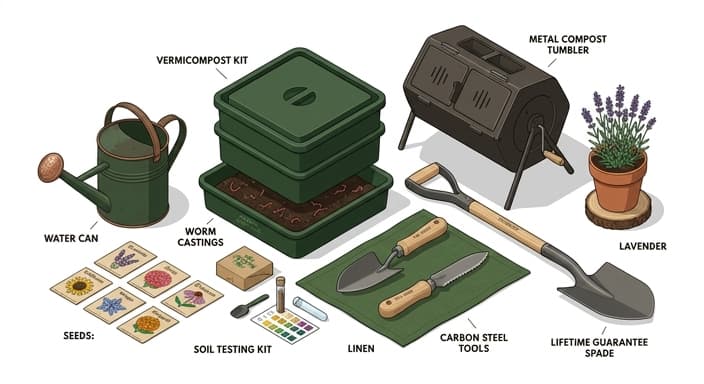
Symbiotic Cultivation is defined by the intersection of stewardship and efficiency. It is the understanding that every tool used should leave the soil better than it found it. Whether it is a compost tumbler that turns kitchen scraps into "black gold," or ergonomic hand tools forged from reclaimed steel, the goal is to reduce the carbon footprint of the hobby while amplifying its yields. By choosing gifts that prioritize the health of the local habitat—pollinators, soil microbes, and water tables—you are gifting your gardener a sense of harmony that goes far beyond a bountiful harvest. It is not about how many plastic gadgets they have in their shed; it is about the integrity of their connection to the earth.
The Foundation of Soil Health
The most sustainable garden begins beneath the surface. If you want to give a gift that truly matters, look toward products that build, nourish, and protect the soil rather than depleting it. Traditional synthetic fertilizers often wash away, polluting local waterways, whereas organic soil amendments create a living, resilient foundation.
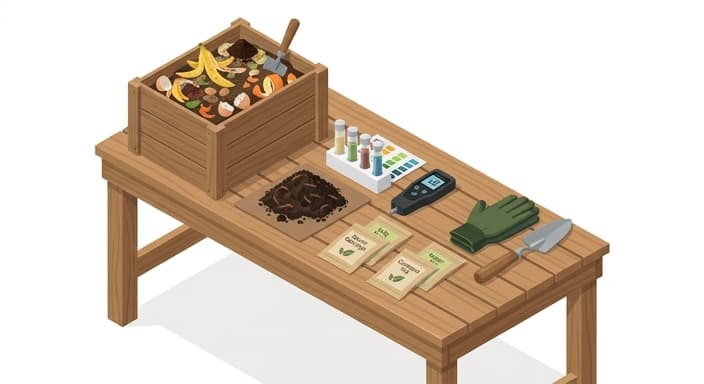
Consider gifting a high-quality, worm-composting kit (vermicomposting). These systems are the gold standard for small-scale, eco-friendly waste management. They transform vegetable peels and coffee grounds into nutrient-dense castings that are far superior to store-bought chemical feeds. Pair this with a soil testing kit that uses chemical-free reagents. By helping a gardener understand their specific pH and nutrient levels, you enable them to be more precise in their work, preventing the over-application of resources and ensuring that every amendment serves a purpose.
Tools Designed for a Lifetime, Not a Season
There is a profound difference between a tool bought for a season and an heirloom tool bought for a lifetime. In our modern age of plastic-handled trowels and flimsy pruners that snap under pressure, the gardener who values sustainability is often frustrated by the cycle of replacement. A truly eco-friendly gift is one that is built to endure, reducing the demand for new manufacturing and keeping junk out of the landfill.
Look for hand-forged carbon steel tools, preferably from companies that offer a lifetime guarantee. When you buy a high-quality spade or hori-hori knife with a FSC-certified wooden handle, you aren't just buying a tool; you are investing in a piece of equipment that will likely outlive the gardener themselves. To further boost the eco-credentials of your gift, look for brands that prioritize local sourcing and minimize energy usage during the forging process. These tools feel different in the hand—there is a weight and a balance that plastic simply cannot replicate—and their durability makes them the ultimate act of environmental conservation in the garden shed.
Water Stewardship and Conservation
In many parts of the world, water is the most precious resource a gardener manages. Eco-conscious gardening means moving away from the "spray and pray" method of irrigation toward systems that are intentional, efficient, and mindful of local watersheds.
A sophisticated rain barrel system is a transformative gift for any gardener. By capturing the runoff from a roof, a gardener can reduce their reliance on municipal water, which is often treated with chemicals that can be harsh on delicate plants. Look for barrels made from recycled food-grade plastics or UV-resistant, long-lasting materials that prevent the water from stagnating.
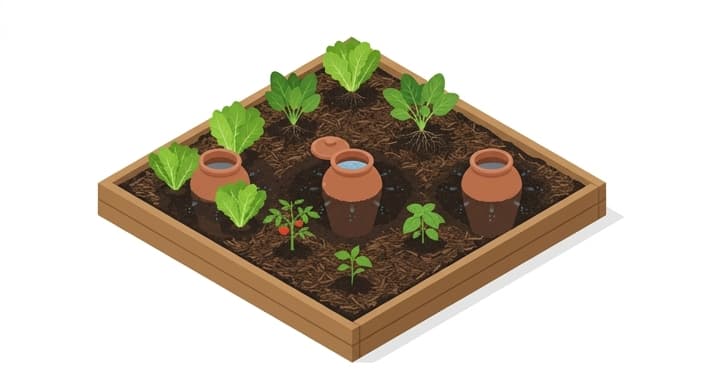
Beyond collection, consider gifting precision irrigation tools, such as terracotta ollas. These ancient, porous clay vessels are buried next to plants and filled with water, which then slowly seeps into the soil exactly where the roots need it most. It is an elegant, low-tech solution that eliminates evaporation loss and promotes deep root growth. It is this marriage of ancient wisdom and modern design that defines the best eco-friendly gifts.
Supporting the Pollinators and Biodiversity
A sustainable garden is never a monoculture; it is a bustling, diverse neighborhood of beneficial insects, birds, and soil organisms. If your gardener is already well-stocked on tools, shift your focus to the "wild" side of the garden. Gifting a thoughtfully curated collection of heirloom, organic, and non-GMO seeds is a beautiful way to encourage biodiversity.
Focus on native wildflowers that provide a buffet for local pollinators. Many commercial seed packets are treated with neonicotinoids—pesticides that are devastating to bee populations. By sourcing seeds from reputable organic seed cooperatives, you ensure that the gift you give is safe for the very creatures that make the garden grow.
You can also elevate this gift by including a handcrafted mason bee house or a bird bath made from reclaimed stone. These structures provide essential shelter and hydration in an increasingly fragmented landscape. When you give a gift that supports pollinators, you are helping your gardener become a guardian of their local ecosystem, ensuring that the "wild" part of their garden is as vibrant as the vegetable patch.
The Gift of Knowledge and Community
Sometimes, the most eco-friendly gift you can give is the knowledge to garden more effectively. Gardening is a skill set that evolves, and the best gardeners are those who are lifelong learners. Consider a membership to a local botanical garden or a subscription to a journal focused on permaculture and sustainable agriculture.
Books on regenerative gardening, soil biology, or companion planting can change the way a person approaches their craft. When a gardener moves from "fighting" weeds and pests to understanding the ecological systems at play, their work becomes easier, more rewarding, and significantly less reliant on external inputs. You might also consider gifting a workshop voucher for a local permaculture course or a composting class. By providing the tools for education, you are empowering your gardener to make better choices for years to come—choices that respect the earth, conserve its resources, and yield a more abundant, healthy, and beautiful space for everyone to enjoy.
Choosing an eco-friendly gift for a gardener is an opportunity to look beyond the surface and provide something that aligns with the rhythms of the natural world. Whether through a tool that lasts a lifetime, a system that conserves precious water, or seeds that invite pollinators back into the landscape, your choice helps turn a simple hobby into an act of environmental restoration. By focusing on quality, intentionality, and the health of the soil, you are giving a gift that doesn't just sit on a shelf—it grows, evolves, and leaves the world a little greener than you found it.
Common Questions
🤔
Frequently Asked Questions
What is Symbiotic Cultivation and why does it matter for eco-friendly gifts?▼
Symbiotic Cultivation is a philosophy that emphasizes stewardship and efficiency, ensuring every tool helps the soil and ecosystem. Gifts aligned with this concept minimize waste and support a living cycle in the garden. It shifts focus from disposable gadgets to long lasting, responsibly sourced tools. This approach helps gardeners nurture pollinators, soil microbes, and water resources.
Which soil health gifts are most impactful?▼
Look for vermicomposting kits, which turn kitchen scraps into nutrient-rich castings. Pair with a soil testing kit to tailor amendments precisely and avoid overuse. Organic soil amendments promote a living soil food web and prevent runoff. Such gifts empower gardeners to manage fertility responsibly.
What makes a tool gift truly eco-friendly?▼
Durability, lifetime guarantees, and materials like forged carbon steel and FSC-certified wood reduce replacement and deforestation. Look for brands that localize sourcing and minimize energy use in production. A well-made tool feels balanced and reliable, encouraging longer use and less waste. Choosing such tools also lowers the need for new manufacturing and landfill waste.
How can gifts support water stewardship in home gardens?▼
Gift recipients can adopt drip irrigation systems and rain barrels instead of spray-based watering. Drip systems, rain barrels, and soil moisture meters help reduce water use while maintaining healthy plant growth. By pairing these tools with native or drought-tolerant plant selections, the gardener can lessen dependence on municipal water and protect local waterways. Such thoughtful gifts reinforce a long-term commitment to conserving water in the garden.
Explore Related Topics
Browse more gift ideas in the categories this article belongs to.