Blog6/11/2026
Best Eco-Friendly Kitchen Gadgets for Conscientious Foodies
4 mins Read
The Briefing
Quick takeaways for the curious
Durable, long-lasting materials outperform disposable-looking gadgets marketed as eco-friendly.
Cast iron, glass, steel, and wood can last decades when properly cared for, reducing waste over time.
Every eco-friendly choice comes with trade-offs, including weight, maintenance, and careful handling.
Beeswax wraps and glass storage help cut plastic use, but they have limitations around heat, durability, and lid materials.
Investing in high-quality, repairable tools often yields a smaller environmental footprint than frequent plastic replacements.
Most eco-friendly kitchen gadgets are plastic junk masquerading as solutions. Finding tools that actually last decades while minimizing waste requires looking past marketing buzzwords toward simple, heavy-duty materials like cast iron, steel, and glass.
1. Cast Iron Skillets
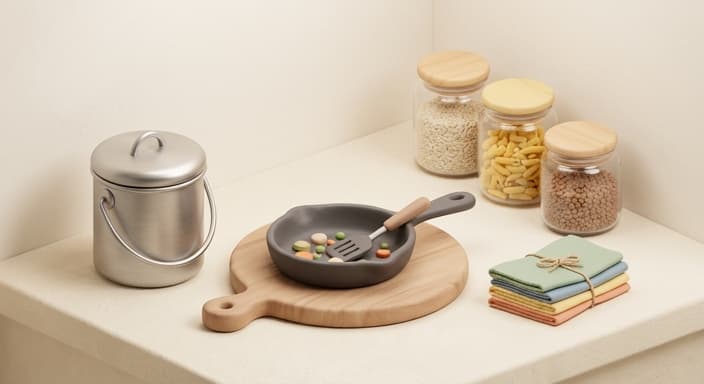
A solid cast iron pan is the definition of a lifetime tool. Brands like Lodge or Smithey offer incredible heat retention that outperforms modern non-stick coatings. When properly seasoned, these pans are naturally non-stick and replace chemical-heavy pans that degrade every few years. They are heavy, which is the trade-off, and you must hand-wash them immediately. If you leave them soaking in the sink, they will rust. Expect to pay anywhere from $30 to $200 depending on the finish and weight.
Best for: The cook who wants a pan that will outlive them.
2. Glass Food Storage Containers
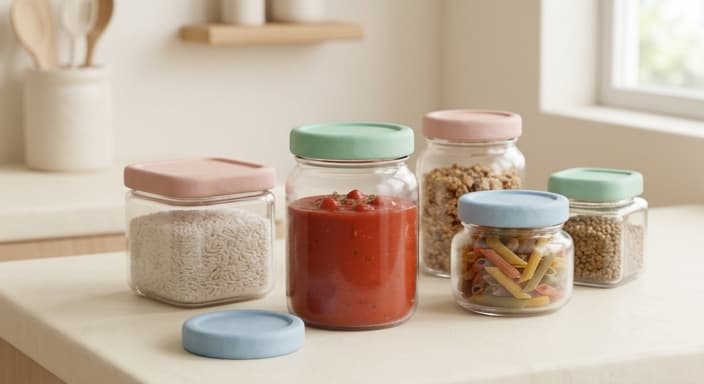
Moving away from plastic tupperware feels like a massive upgrade for your fridge organization. Glass containers, such as those from Pyrex or Glasslock, do not leach chemicals or stain when you store tomato-based sauces. They are transparent, so you actually see what needs to be eaten before it goes bad. The catch is the lids; most are still plastic or silicone. You have to be careful not to drop them on tile floors, as they will shatter. Prices hover around $25 to $50 for a starter set.
Best for: Someone tired of mismatched, stained plastic tubs.
3. Beeswax Food Wraps
Instead of a never-ending cycle of buying plastic cling film, beeswax wraps offer a washable, reusable alternative for covering bowls or wrapping half-cut vegetables. Brands like Bee’s Wrap use organic cotton coated in wax to create a flexible seal. They grip well when warmed by your hands. The limitation is that they are not suitable for raw meat or extremely hot items, as the wax will melt. They eventually lose their stickiness after a year or so, requiring a refresh. Prices range from $15 to $25 for a variety pack.
Best for: Reducing kitchen trash during food prep.
4. Stainless Steel Compost Bins
Kitchen scrap management is often messy, but a dedicated stainless steel bin keeps everything contained and odor-free. Models like the Epica countertop bin are dishwasher-safe and feature replaceable charcoal filters that actually work to trap smells. They look clean on a counter and don't require plastic liners if you empty them regularly. The trade-off is that they are relatively small, so you will be walking out to the main compost pile every two or three days. Expect to spend $30 to $50.
Best for: Apartment dwellers who need a tidy composting solution.
5. Wooden Cutting Boards
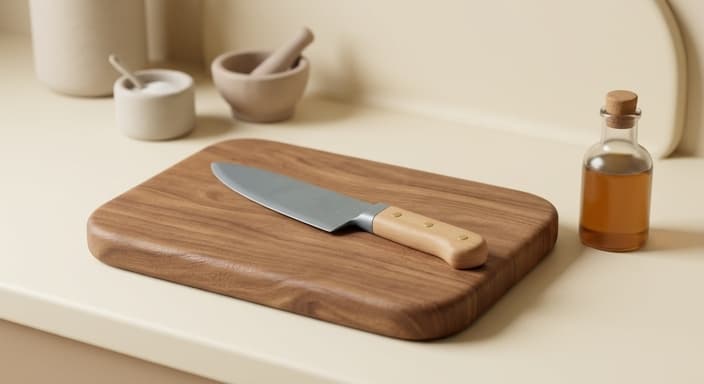
A thick, end-grain maple or walnut board is a functional piece of furniture. Unlike plastic mats, high-quality wood boards from companies like Boos Block are self-healing, meaning deep knife scars don't harbor as much bacteria. They also protect the edge of your chef’s knives. What might bug you is the maintenance; you have to oil them periodically with mineral oil to prevent cracking. They are also bulky and cannot go in the dishwasher, so clear some sink space. Budget for $60 to $150.
Best for: The serious home cook who respects their blades.
6. Manual Citrus Juicers
Electric juicers are often over-engineered, loud, and full of plastic parts that snap under pressure. A heavy-duty cast aluminum or steel press, like those from Zulay, relies on leverage rather than a motor. They are incredibly quiet, easy to clean, and usually last a lifetime. The limitation is the physical effort required for large batches of juice; your arm might get tired if you are doing ten lemons at once. These are efficient, focused, and cost around $20 to $40.
Best for: Someone who prioritizes simplicity over speed.
7. Reusable Silicone Baking Mats
Lining sheet pans with parchment paper creates a surprising amount of daily waste. Silicone mats, often referred to by the Silpat brand name, provide a non-stick surface that can be wiped clean and used thousands of times. They lay flat and distribute heat evenly. The catch is that they are difficult to dry completely before storage, and you must never cut directly on them with a knife. You will spend roughly $15 to $30 for a set of two.
Best for: Bakers who want to ditch paper rolls.
How we narrowed it down
I assessed each item based on three criteria: material composition, durability, and daily utility. Plastic parts were disqualified unless they were essential for a seal or grip. I prioritized items that perform one function perfectly rather than gadgets that claim to do five things poorly. Products were vetted for their ability to be cleaned and repaired, ensuring that "eco-friendly" actually translates to a product that doesn't need to be replaced for at least five years of heavy use.
Common Questions
🤔
Frequently Asked Questions
Why are cast iron skillets considered a durable eco-friendly choice?▼
Cast iron skillets like Lodge or Smithey offer exceptional heat retention and can last decades with proper seasoning. They avoid chemical-heavy non-stick coatings that wear out and create waste. However, they require hand-washing, occasional oiling, and can be heavy, which are trade-offs to consider.
Are glass food storage containers truly plastic-free, and what should you know about lids?▼
Glass containers from brands like Pyrex or Glasslock don’t leach chemicals into foods and don’t stain as easily as plastic. They are transparent, helping you see leftovers before they spoil. The main caveat is that many lids are plastic or silicone, and glass can shatter if dropped, so careful handling is required.
Do beeswax wraps fully replace plastic wraps, and what are their limits?▼
Beeswax wraps provide a washable, reusable alternative for covering bowls and wrapping produce, reducing reliance on plastic. They work best with cool, clean food and are not suitable for raw meat or very hot items, as the wax can melt. They lose their stickiness after about a year and need refreshing, but prices are modest for a variety pack.
What should apartment dwellers know about stainless steel compost bins?▼
Stainless steel compost bins like Epica help contain scraps and odors with replaceable charcoal filters and dishwasher-safe components. They reduce plastic liners and keep counters tidy, but many models are small, requiring trips to the main compost pile every couple of days. They’re a practical solution for small spaces if you’re committed to regular emptying.
Explore Related Topics
Browse more gift ideas in the categories this article belongs to.