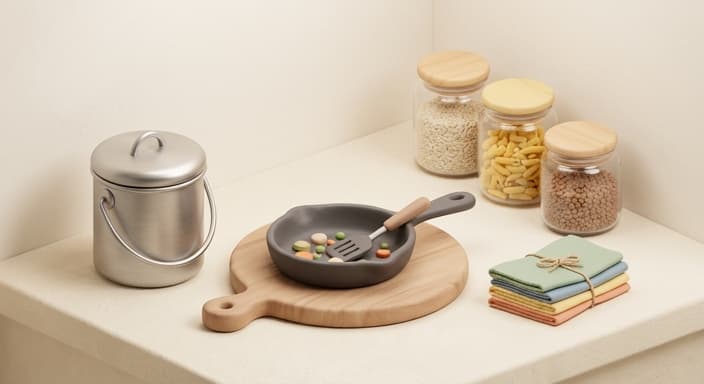
Blog6/10/2026
Best Eco-Friendly Kitchen Gifts for Summer Entertaining
4 mins Read

The Briefing
Quick takeaways for the curious
Eco-friendly kitchen gifts should emphasize durability and multi-functionality over novelty items.
For gadget lovers, prioritize high-quality tools that replace single-use habits, such as heavy-duty Swedish sponge cloths and glass fermentation crocks.
Summer entertaining benefits from durable, reusable serveware and insulated stainless steel tumblers that reduce waste while staying stylish.
Space-saving options like collapsible silicone food containers and beeswax wraps work well in small kitchens, but each has trade-offs to consider.
For gardeners, sturdy stainless steel colanders and reusable vacuum sealing systems help preserve harvests and cut packaging waste.
People have different ideas of what makes a kitchen "green." The obsessive backyard gardener needs tools that actually last, the minimalist apartment dweller wants things that perform double-duty, the weekend entertainer needs low-waste solutions for crowds, and the tech-curious cook loves finding gadgets that replace toxic chemicals.
For the friend who already owns every gadget
These people have a drawer full of silicone molds and a cabinet for specialized juicers. Skip the novelty items. Instead, buy them high-quality tools that replace the single-use plastic habit they haven't broken yet. A set of heavy-duty Swedish sponge cloths costs around $10 to $15 for a pack of five. They replace the endless roll of paper towels and can be composted once they get gross. The catch is that they can feel stiff when dry, which confuses some people the first time they pull one out of the drawer.
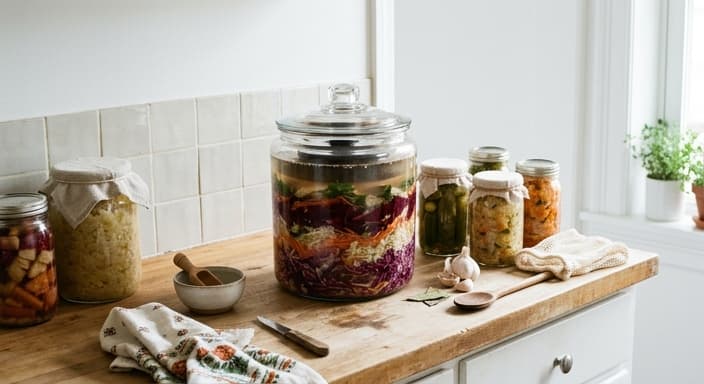
If they want a more technical upgrade, look into a high-end glass fermentation crock. You can find sturdy, lead-free versions for $50 to $80. These allow them to make their own sauerkraut or pickles, which reduces the plastic packaging waste from buying those items at the store. The trade-off is the sheer weight of these things; they are heavy, bulky, and will take up prime real estate on a kitchen counter or pantry shelf.
For the weekend host who lives on the patio
Hosting in the summer usually means a mountain of paper plates and plastic cups hitting the trash can by Monday morning. Gift them a set of shatter-resistant melamine or bamboo fiber plates. You can get a decent set of four dinner plates for $25 to $40. They look better than paper, they don't break when dropped on a deck, and they survive hundreds of dishwasher cycles. The limitation is that most of them cannot go into the microwave, so tell your friend to keep them away from the heating element.
For drinks, stop gifting plastic drinkware. A set of high-quality stainless steel insulated tumblers runs about $60 to $90 for a set of four. They keep iced tea cold for hours and don't sweat on wood tables. What might bug your host is the lack of transparency; you can't see how much liquid is left, which makes refills a guessing game if you aren't paying attention.
For the apartment dweller with zero counter space
Storage is the enemy of the small-kitchen cook. Give them a collapsible silicone food storage set, which costs about $20 to $35. When empty, these containers shrink down to a fraction of their size, saving huge amounts of cabinet space. The drawback here is that silicone tends to hold onto strong odors, like garlic or curry, even after a hot wash.
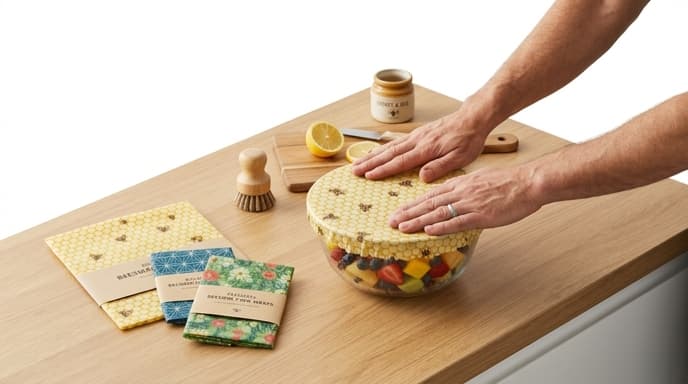
Another space-saver is a set of beeswax food wraps, priced between $15 and $25. They replace plastic cling film and stick to bowls perfectly with just the warmth of your hands. The trade-off is that they are not heat-resistant. If your friend wraps a bowl that is still steaming hot, the wax will melt off, ruining the wrap and leaving a sticky mess on the rim of the dish.
For the backyard gardener drowning in summer produce
Summer abundance is great, but the cleanup is a nightmare. A high-quality stainless steel berry colander or a wire mesh harvest basket costs around $30 to $50. These are built to last a lifetime and make washing mass quantities of tomatoes or cucumbers much faster than using a small plastic strainer. The limitation is that they are usually larger than standard kitchen tools, so your friend will need a dedicated hook or shelf space to store them.
If they are looking to preserve that harvest, get them a vacuum sealer that uses reusable bags instead of the proprietary disposable ones. You can find manual pump-style vacuum systems for $40 to $60. They effectively keep food fresh longer, reducing waste. The downside is that they require manual effort—you have to pump the air out by hand—so they aren't for the person who wants a "push-button" lifestyle.
If you are still stuck
Grab a pair of high-quality, professional-grade kitchen shears. Look for a brand like Henckels or Wüsthof that offers a lifetime warranty, typically found for $35 to $50. They replace the need for plastic-wrapped gadgets like herb strippers or pizza cutters, and they can be sharpened indefinitely. Avoid the $10 "multi-tool" shears; they snap easily and you can never get them truly clean.
Common Questions
🤔
Frequently Asked Questions
What types of eco-friendly kitchen gifts are best for different lifestyles?▼
Different lifestyles call for different eco-friendly kitchen gifts. The obsessive backyard gardener benefits from durable tools like stainless steel or glass gear that lasts, and from items that enable home preservation. The minimalist apartment dweller will value multi-use tools and space-saving designs that stay out of sight when not in use. The weekend entertainer appreciates low-waste options for crowds, and the tech-curious cook enjoys gadgets that replace toxic chemicals with greener alternatives.
How can you balance price with sustainability in kitchen gifts?▼
Balancing price with sustainability means investing in durable items that replace disposable alternatives. In practice, this often costs more up front but lowers ongoing waste and replacement costs. Look for quality basics like sponge cloths, fermentation crocks, or insulated tumblers within the ranges discussed, and prioritize items that replace single-use plastics. This approach yields long-term value and a smaller environmental footprint.
What trade-offs should I know when choosing eco-friendly gifts?▼
Common trade-offs include microwave compatibility, odor retention, heat resistance, and weight. Beeswax wraps are not heat-resistant, which limits their use with hot bowls. Silicone can retain odors, requiring thorough washing between uses. Heavy or bulky items like fermentation crocks and large colanders may require extra storage space.
How can you present these gifts to make them feel special?▼
Present eco-friendly gifts with clear care and use instructions to help recipients maximize durability and minimize waste. Include brief tips on washing cloths, caring for beeswax wraps, or using a vacuum sealer with reusable bags. Keep packaging minimal to reinforce the sustainability theme, and consider a simple note highlighting the environmental impact of choosing durable, reusable options.
Explore Related Topics
Browse more gift ideas in the categories this article belongs to.