Blog5/16/2026
Best Mindful Self-Care Gifts for Teachers and Stress Relief
6 mins Read
The Briefing
Quick takeaways for the curious
Mindful self-care gifts for teachers should prioritize cognitive decompression over generic tokens.
Gifts that act as neurological reset buttons can help lower stress physiology after a long school day.
Somatic relief items, such as weighted wraps and massage tools, address the physical tension teachers carry from classroom duties.
Prioritizing sensory neutrality and environmental control—quiet soundscapes and soft lighting—supports post-work recovery.
Avoid mass-produced 'Teacher Fuel' gifts; opt for purposeful, high-quality items that honor teachers as humans, not just professionals.
Teachers are the architects of the future, yet they often spend their days pouring from an empty cup, managing the emotional and cognitive labor of thirty students while navigating the relentless demands of a school system. When you choose to gift a teacher a mindful self-care item, you are doing more than handing over a physical object; you are providing a necessary, tangible permission slip to decelerate and reclaim their autonomy after the final bell rings.
The Philosophy of "Cognitive Decompression"
When shopping for self-care gifts for teachers, it is all too easy to fall into the "Appreciation Gimmick Trap"—the tendency to buy mass-produced "Teacher Fuel" mugs, generic scented candles that trigger sensory overload, or novelty desk trinkets that simply add to the visual noise of an already cluttered classroom. We see this cycle every year: an influx of well-intentioned but impersonal gifts that eventually collect dust, high-sugar snack baskets that offer a fleeting energy spike followed by a crash, and "relaxation" kits that feel like just another chore to manage. At HootFinds, we reject the cycle of "performative gratitude." Instead, we embrace the philosophy of "Cognitive Decompression."
Cognitive Decompression is the deliberate selection of gifts that serve as neurological reset buttons. It is the recognition that a teacher’s stress is rarely just mental; it is physiological, manifesting as high cortisol levels, auditory fatigue, and the "decision fatigue" that comes from making hundreds of micro-choices every single hour. Therefore, the best gifts are those that facilitate a transition from the hyper-stimulated environment of a school to the restorative sanctuary of a quiet home. We look for items that soothe the nervous system, encourage sensory regulation, and honor the teacher as a human being, not just a professional entity.
Tactile Relief and Somatic Regulation
Teaching is a physically taxing profession that involves standing, hovering over desks, and maintaining a constant state of vigilance. By the time a teacher reaches the end of the day, their muscles—particularly in the neck, shoulders, and lower back—are often locked in a state of tension. Rather than opting for generic bath sets, prioritize items that offer genuine somatic relief. Look for high-quality, weighted therapy tools or ergonomic support devices that can be used during their "decompress" hour.
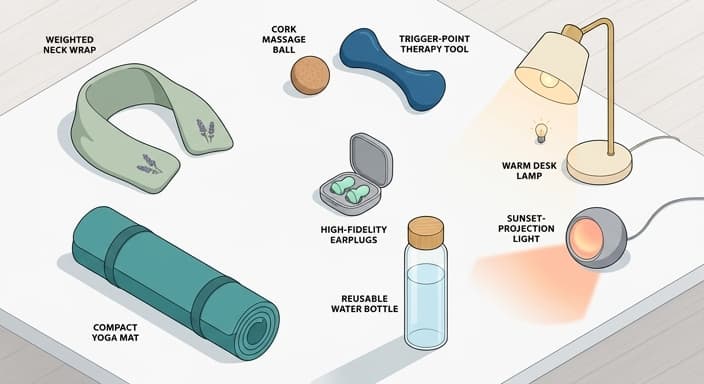
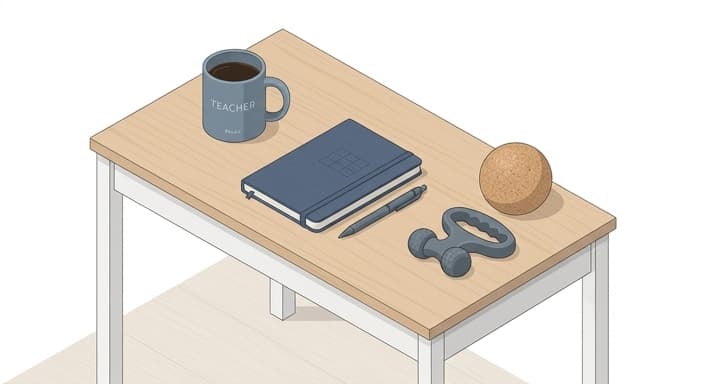
A weighted neck wrap filled with organic lavender or flaxseed provides deep pressure stimulation, which is clinically proven to lower heart rates and signal the body to enter a parasympathetic "rest and digest" state. Alternatively, consider a high-density cork massage ball or a trigger-point therapy tool. These aren't just gadgets; they are tools that allow a teacher to physically work out the knots of a difficult parent-teacher conference or a challenging lesson plan. The goal here is to provide a physical anchor that forces the body to drop its guard.
Sensory Neutrality and Environmental Control
In a classroom, sound is a weaponized element. Teachers are subject to the constant hum of HVAC systems, the sharp ringing of bells, and the overlapping chatter of dozens of children. This creates a state of "auditory exhaustion." To counter this, a mindful gift should prioritize sensory neutrality. Avoid gifts that add clutter or noise. Instead, look for high-fidelity noise-canceling earplugs—such as those designed for musicians or commuters—that reduce decibel levels without cutting off the teacher from their environment entirely.
Another excellent direction is the "controlled lighting" approach. Harsh fluorescent classroom lights are a major contributor to end-of-day headaches. A portable, warm-toned desk lamp or a sunset projection light can transform a workspace or a bedroom into a low-stimulation sanctuary. By controlling the light and sound, you are helping the teacher reclaim their environment, effectively shrinking their world down to a manageable, peaceful radius where they can finally hear their own thoughts.
The Art of "Micro-Transition" Rituals
One of the greatest challenges for educators is the lack of a clear "shut-down" ritual. Many teachers leave the building and immediately begin grading, emailing, or lesson planning, never fully exiting the "teacher" headspace. To combat this, look for gifts that facilitate a "Micro-Transition"—a short, 5-to-10-minute ritual that marks the boundary between professional and private life.
Think about a high-quality, aesthetically pleasing analog timer combined with a set of restorative breathwork cards or a minimalist gratitude journal. The act of turning a physical dial on a timer creates a psychological boundary; it tells the brain, "I am only doing this for 10 minutes, and then I am done." Consider also high-end, ritual-based consumables, such as a premium loose-leaf tea set that requires the slow, methodical process of steeping. This isn't just about caffeine; it's about the process. When a teacher has to wait for tea to steep, they are forced to stand still and exist in the present moment, rather than rushing to the next task on their to-do list.

Curating for Longevity and Purpose
When you are ready to invest in a gift, evaluate it through the lens of "Essentialism." Ask yourself: Does this gift simplify their life, or does it add to their maintenance load? A succulent plant in a beautiful pot is a mindful gift because it is low-maintenance and brings a touch of nature indoors, but a high-maintenance indoor tree might become a source of guilt for a busy teacher.
Prioritize materials that feel grounding: natural wood, heavy-weight ceramics, soft linen, or brushed metal. These textures are inherently more soothing than cheap plastics or synthetic fabrics. Furthermore, consider the "open-ended" nature of the gift. A subscription to a guided meditation app or a high-quality journal with thick, bleed-resistant paper allows the teacher to decide how to use the gift based on their own changing needs throughout the semester. You are not dictating how they should relax; you are providing the high-quality infrastructure for them to curate their own peace.
The Gift of Grace
Ultimately, the most mindful gift you can give is the validation that their well-being is not a luxury, but a requirement for their work. When you present your gift, don’t frame it as "something to help you get through the week." Frame it as "something to help you come home to yourself." By shifting the narrative away from survival and toward self-actualization, you change the entire dynamic of the gift-giving experience.
Whether it is a weighted wrap, a pair of noise-canceling earplugs, or a set of tools for a micro-transition ritual, your choice should reflect a deep respect for the immense emotional and cognitive labor teachers perform every day. By focusing on sensory regulation, environmental control, and the creation of intentional rituals, you ensure that your gift becomes a true Restorative Anchor Point. In doing so, you are not just checking a box on a holiday or appreciation list; you are actively supporting the health and happiness of someone who is shaping the world, one student at a time.
Common Questions
🤔
Frequently Asked Questions
What is Cognitive Decompression and why is it important when selecting gifts for teachers?▼
Cognitive Decompression is the intentional selection of gifts that help the nervous system reset after a day of teaching. It recognizes that stress is both mental and physiological, manifesting as high cortisol, sensory overload, and decision fatigue. The best gifts create a real pause between the classroom and home, signaling the body to shift into a restorative state. By choosing items that support regulation rather than distraction, you honor the teacher’s need for autonomy and recovery.
What are examples of somatic relief gifts that actually help teachers unwind?▼
Somatic relief gifts target the body’s tension rather than the surface-level mood. Examples include weighted neck wraps with lavender or flaxseed for deep pressure, high-density cork massage balls for trigger-point work, and ergonomic supports that can be used during a decompression hour. These tools provide a physical anchor that helps release neck, shoulder, and back strain built up from teaching. They translate into a calmer, more sustainable sense of well-being after the final bell.
How can you ensure gifts support sensory neutrality and environmental control in a classroom and at home?▼
Choose items that reduce sensory load rather than add to it. Noise-reducing earplugs designed for musicians or commuters can lower auditory fatigue without isolating the teacher from their environment. Consider lighting that creates a low-stimulation space, such as warm desk lamps or sunset projection lights for home use. The goal is to provide a portable, personal sanctuary that travels between classroom pressures and home routines.
Why should we avoid generic mass-produced teacher gifts and what makes a mindful self-care gift different?▼
Generic gifts often contribute to clutter, noise, and a sense of performative gratitude that doesn’t support real recovery. Mindful self-care gifts are chosen for function, quality, and relevance to the teacher’s well-being. They emphasize sensory regulation, physiological rest, and personal autonomy, turning a token of thanks into a practical tool for renewal. In short, they respect the teacher as a human being with limits, not just a role.