Blog5/16/2026
Best Self-Care Gifts for Stressed Teachers: Practical Picks
5 mins Read
The Briefing
Quick takeaways for the curious
Restorative Anchor Points are deliberate gift choices that create physical cues to shift a teacher from the busy school day to the calm of home, countering physiological stress like eye strain and muscle tension.
Prioritize high-quality, sensory-focused items over mass-produced trinkets to provide lasting relief and establish simple, repeating rituals.
Sensory decompression tools such as weighted blankets and high-quality noise-canceling headphones offer immediate relief and support cognitive reset after a demanding day.
Ergonomic recovery gifts address chronic tension in the neck, shoulders, and feet with easy-to-use tools that minimize setup and tech complexity.
Micro-moments of joy, integrated into daily routines, can deliver meaningful rest without requiring large time commitments or elaborate spa experiences.
Teaching is a profound act of service, but the relentless pace of the academic calendar often leaves educators operating in a state of perpetual "fight or flight." When you gift a teacher something for their well-being, you aren't just giving them a physical object; you are providing a necessary permission slip to pause, breathe, and reclaim a sense of self outside the classroom.
The Philosophy of "Restorative Anchor Points"
When shopping for self-care gifts for teachers, it is all too easy to fall into the "Teacher Appreciation Trap"—the tendency to buy mass-produced mugs, generic "world's best teacher" trinkets, or bath sets that smell like synthetic lavender and sit gathering dust in a cabinet. We see this cycle every year: an influx of well-intentioned but impersonal gifts that add to the clutter of a teacher’s life, high-sugar snack baskets that offer a fleeting energy spike followed by a crash, and "relaxation" kits that feel more like chores than genuine moments of peace. At HootFinds, we reject the cycle of "performative gratitude." Instead, we embrace the philosophy of "Restorative Anchor Points."
Restorative Anchor Points are the deliberate selection of gifts that serve as physical reminders to transition from the high-stimulation environment of a school to the sanctuary of a home. It is the recognition that a teacher’s stress is often physiological—manifesting as eye strain, muscle tension, and sensory overload. Therefore, the best gifts are those that counteract these specific stresses with high-quality, sensory-focused relief. It is about choosing items that act as a buffer against the noise of the school day, grounding the recipient in a moment of tactile comfort or intentional quiet.
Sensory Decompression: Beyond the Noise
After eight hours of bells, questions, and the high-frequency energy of a classroom, the most profound gift you can offer is sensory silence. Teachers often suffer from "decision fatigue" and "sensory exhaustion," making it difficult to shift gears once they walk through their front door. The goal here is to curate an environment that promotes immediate decompression.
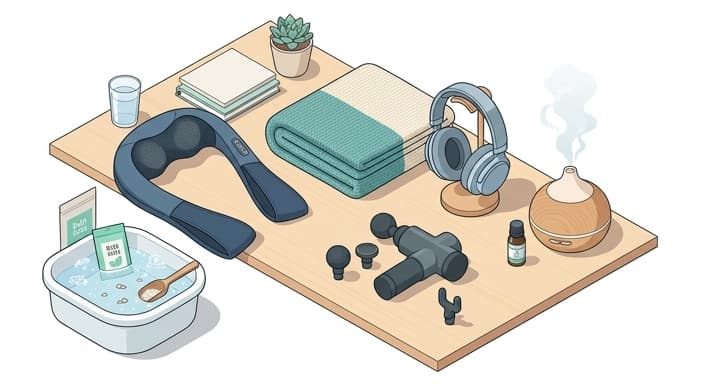
Look for items that engage the senses in a calming, non-demanding way. Weighted blankets are an excellent choice, as deep-pressure stimulation has been shown to lower cortisol levels and trigger the parasympathetic nervous system. Similarly, high-quality noise-canceling headphones are not just a tech luxury; for a teacher, they are a tool for cognitive recovery. By blocking out the ambient chaos of the world, they allow the brain to reset. When selecting these gifts, prioritize quality over novelty—a weighted blanket made of breathable, high-quality fabric is a long-term investment in sleep hygiene, whereas a cheap alternative will only lead to overheating and frustration.

The Ergonomics of Recovery
Teachers are among the most physically active professionals, spending the majority of their day standing on hard linoleum floors or hunched over desks grading papers. By the end of the week, this takes a toll on the neck, shoulders, and feet. While it might seem utilitarian, gifts that address physical recovery are often the most deeply appreciated.
Consider gifting a professional-grade percussion massage gun or a heated neck and shoulder massager. These tools provide instant relief for the "teacher hunch"—that chronic tension held in the upper trapezius muscles from hours of leaning over student desks. If you prefer something more low-tech, a high-quality foot soak basin paired with therapeutic magnesium-rich bath salts can transform a standard bathroom into a recovery spa. The key here is to look for tools that require minimal setup. A massager that needs a complex app to operate is an annoyance; one that works with a single button press is a sanctuary.
Cultivating Micro-Moments of Joy
We often think of "self-care" as a grand, time-consuming event like a spa day, but for a teacher with a busy grading schedule and family commitments, time is the scarcest resource. The most effective self-care gifts are those that fit into the "micro-moments"—the ten-minute windows before bed or the quiet cup of coffee on a Saturday morning.
Focus on "ritual-based" gifts. A high-end tea sampler paired with an elegant, double-walled glass mug turns a routine caffeine fix into a meditative ritual. Or consider a premium, slow-burning candle made with essential oils like eucalyptus or bergamot, which are scientifically proven to aid in mood regulation. Avoid gifts that require a learning curve or a lifestyle change. The goal is to enhance the existing habits that bring them comfort, not to force them into a new, demanding routine. By selecting items that elevate the mundane, you help them find beauty in the small pockets of time they actually have.
The Gift of Unstructured Time
Sometimes, the best self-care isn't an object, but an experience that removes a burden. Teachers often feel the weight of endless "to-do" lists that spill over into their personal time. If you are looking to truly change their stress levels, consider gifts that offer the gift of time.
This could take the form of a meal delivery service subscription, which eliminates the stress of grocery shopping and meal planning during a particularly grueling week of parent-teacher conferences. Alternatively, a gift card for a professional house cleaning service can be a transformative experience for a teacher who spends their weekend catching up on chores instead of resting. These gifts are powerful because they acknowledge the reality of the teacher's workload. They remove a source of friction from their life, granting them the ultimate luxury: the time to do absolutely nothing. When you provide the resources for them to reclaim their time, you are supporting their mental health in the most practical way possible.
Choosing with Intention
When you stand in the store or scroll through a website looking for a gift for the teacher in your life, pause and ask yourself: Does this add to their list of things to manage, or does it subtract from their stress?
The best self-care gifts are those that disappear into the background of a teacher’s life, quietly working to soothe, support, and restore them. Whether it is a pair of high-quality compression socks for after-school recovery, a weighted blanket for evening rest, or a service that simplifies their weekly logistics, your choice should always be rooted in empathy. By moving away from the "performative gratitude" of generic gifts and toward the philosophy of "Restorative Anchor Points," you are giving them the most valuable gift of all: the reminder that they are seen, they are supported, and they are worthy of the same care they pour into their students every single day.
Common Questions
🤔
Frequently Asked Questions
What are Restorative Anchor Points, and how do they guide gift selection for teachers?▼
Restorative Anchor Points are deliberate gift choices that create physical cues to shift from the hectic school day to a calm home environment. They acknowledge that a teacher's stress often shows up as muscle tension, eye strain, and sensory overload. By choosing high-quality items that ground the senses, you provide a built-in pause button. This approach avoids the clutter of generic gifts and supports sustainable restoration.
Which gifts are most effective for sensory decompression for teachers?▼
Look for items that require minimal effort to start decompressing, such as weighted blankets and high-quality headphones. These tools promote immediate sensory calm without demanding extra decisions after a long day. Prioritize durability and comfort over novelty, since a well-made item becomes a reliable routine. The goal is to give a moment of quiet that travels from school to home.
How can I choose ergonomic recovery gifts that feel practical, not gimmicky?▼
Choose tools that address common pain points for teachers, like neck, shoulders, and feet, and that are easy to use right away. A massage gun or heated neck/shoulder massager with intuitive controls is ideal, while gadgets that require complex apps should be avoided. A simple foot soak basin with magnesium salts can turn a bathroom into a recovery space. The right pick should work with a single button press or minimal setup.
How do you avoid the 'Teacher Appreciation Trap' and give gifts with lasting impact?▼
Avoid mass-produced mugs and generic trinkets that end up in a cabinet. Instead, select items that reflect the recipient’s routines and genuine needs, even if they cost a bit more. Durability and usability matter because a well-chosen gift becomes a recurring reminder to pause. Include a personal note to connect the gift to the recipient's well-being.