Blog3/18/2026
Best AI Gadgets for Tech Enthusiasts: Top AI Devices
8 mins Read
The Briefing
Quick takeaways for the curious
The latest AI gadgets move beyond screens to become proactive assistants that anticipate needs and streamline workflows, delivering a cognitive dividend.
The shift from software-first to intelligence-integrated devices means AI is moving into our palms, wrists, and homes to augment human capabilities.
Today's gadgets leverage Large Language Models and Large Action Models to understand intent and perform complex tasks through natural language, reducing reliance on screens.
A growing trend toward minimalist tech emphasizes distraction-free experiences, letting users stay present while staying connected in meaningful ways.
In the home, AI is evolving from automation to cognitive systems that learn habits, adapt in real time, and enhance security, cooking, and cleaning.
The world is no longer just "connected"—it’s becoming cognitive. For the tech enthusiast who has lived through the smartphone revolution and the rise of the smart home, the current wave of Artificial Intelligence hardware represents the most significant shift in personal technology in a generation. At HootFinds, we believe the best AI gadgets are those that don’t just offer a screen for a chatbot, but those that actively anticipate our needs, streamline our workflows, and bridge the gap between our digital intentions and physical reality.
The modern tech landscape is shifting from "software-first" to "intelligence-integrated." For years, we interacted with AI through a browser window or a mobile app, treating it as a clever party trick or a research assistant. However, the latest generation of gadgets has brought that intelligence into the palm of our hands, onto our wrists, and into the very fabric of our homes. This isn't just about automation; it’s about augmentation. Whether you’re shopping for a productivity hacker, a creative professional, or someone who simply loves to be on the bleeding edge of innovation, choosing an AI-powered gift requires a new set of criteria. We are looking for devices that offer more than just novelty—we are looking for tools that provide a "cognitive dividend," saving the user time, mental energy, and friction.
The Evolution of the Personal Assistant: From Apps to Action
The first category of AI gadgets that every tech enthusiast is watching involves the move toward "action-oriented" intelligence. For a long time, voice assistants like Alexa or Siri were limited by rigid command structures; if you didn't say the magic words exactly right, the system failed. Today’s AI gadgets utilize Large Language Models (LLMs) and Large Action Models (LAMs) to understand intent rather than just syntax. This means your recipient can speak to their device in plain English, and the device can navigate complex digital tasks—like booking a flight, ordering a specific meal, or organizing a calendar—without the user ever touching a screen.
When gifting in this category, look for devices that emphasize a "distraction-free" lifestyle. Many enthusiasts are currently enamored with the idea of "minimalist tech"—gadgets that provide the power of a smartphone without the addictive lure of social media feeds. Devices like AI-integrated pins or handheld "companions" are designed to be used with the voice and ears, allowing the user to stay present in the physical world while staying connected to their digital data. For the professional who is drowning in notifications, an AI gadget that acts as a "buffer"—summarizing emails, prioritizing alerts, and handling scheduling—is the ultimate gift of peace of mind. It’s about moving away from the "app-heavy" lifestyle and toward a more fluid, conversational way of interacting with technology.

The Cognitive Home: AI That Sees, Learns, and Anticipates
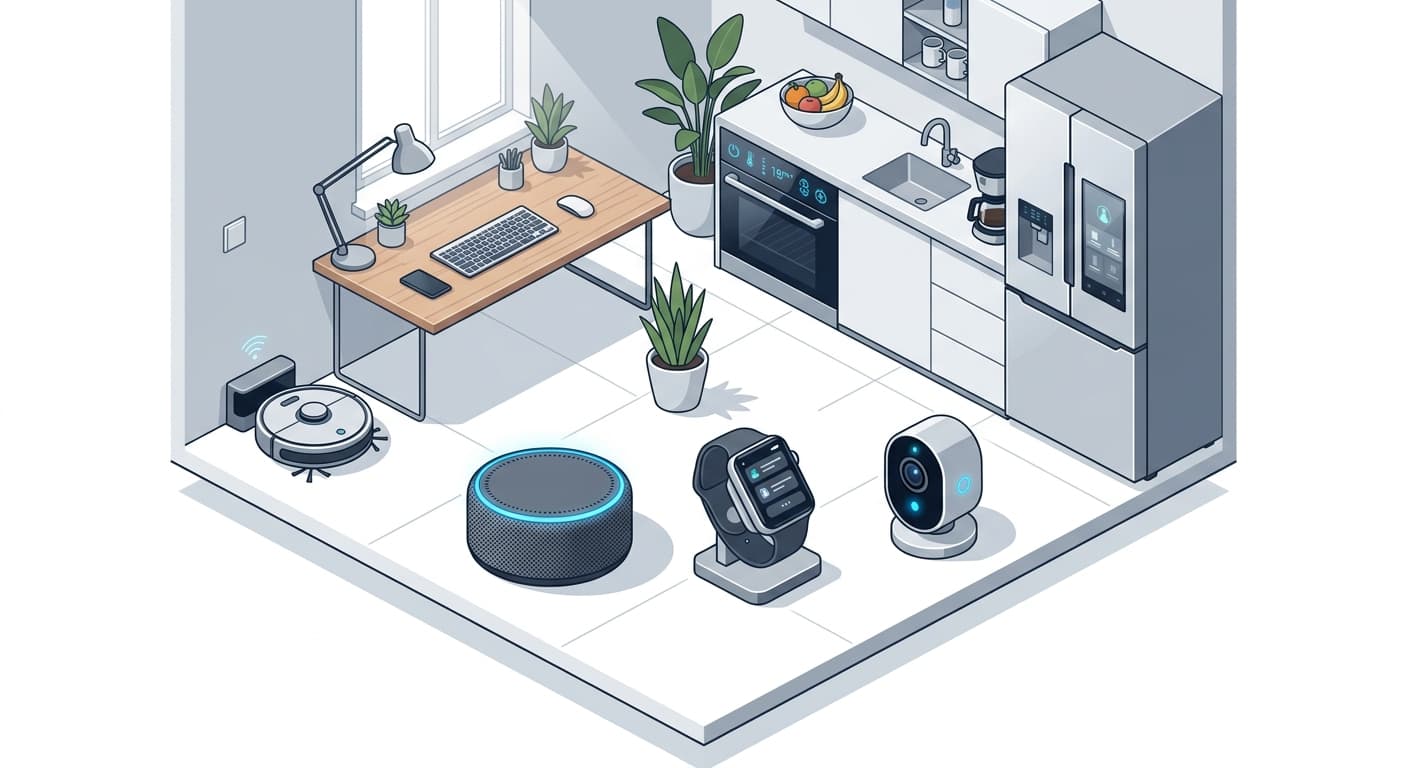
The smart home of the past was often more "connected" than it was actually "smart." It required the user to set up complex "If This, Then That" (IFTTT) routines that frequently broke or required manual updates. The new generation of AI-driven home gadgets has flipped this script by incorporating computer vision and machine learning. These devices don't just follow instructions; they learn the habits of the household and adjust accordingly. For the tech-savvy homeowner, an AI-powered vacuum isn't just a robot that bumps into walls; it’s a sophisticated mapping machine that can distinguish between a stray power cord and a pet mess, adjusting its suction and pathing in real-time.
Beyond cleaning, AI is revolutionizing the kitchen and home security. We are seeing the rise of AI ovens that can identify the type of protein you’ve placed inside and calculate the exact cooking time for a perfect medium-rare steak. In security, AI cameras have moved past simple motion detection—which often led to false alarms from a swaying tree branch—to advanced facial recognition and behavioral analysis. They can now alert a homeowner specifically when a "package is delivered" or an "unfamiliar person is at the door," providing a level of granular detail that was once the stuff of science fiction. When selecting a gift in this category, prioritize compatibility. The best AI home gadgets are those that play well with existing ecosystems like Matter or Thread, ensuring that the recipient can integrate their new "intelligent" device into their current setup without a headache.
Creative Catalysts: AI for Digital Content and Design
For the creative enthusiast, AI is less about "doing the work for you" and more about "removing the barriers to your vision." We are currently seeing a massive influx of AI-powered hardware designed for photographers, videographers, and digital artists. Computational photography has been a staple of smartphones for years, but it is now migrating into dedicated hardware. Imagine a camera that uses AI to automatically track a subject through a crowded room, adjusting focus and exposure with a level of precision that even a professional human operator would struggle to maintain. These gadgets are perfect for the content creator who wants to produce high-quality work without a full production crew.
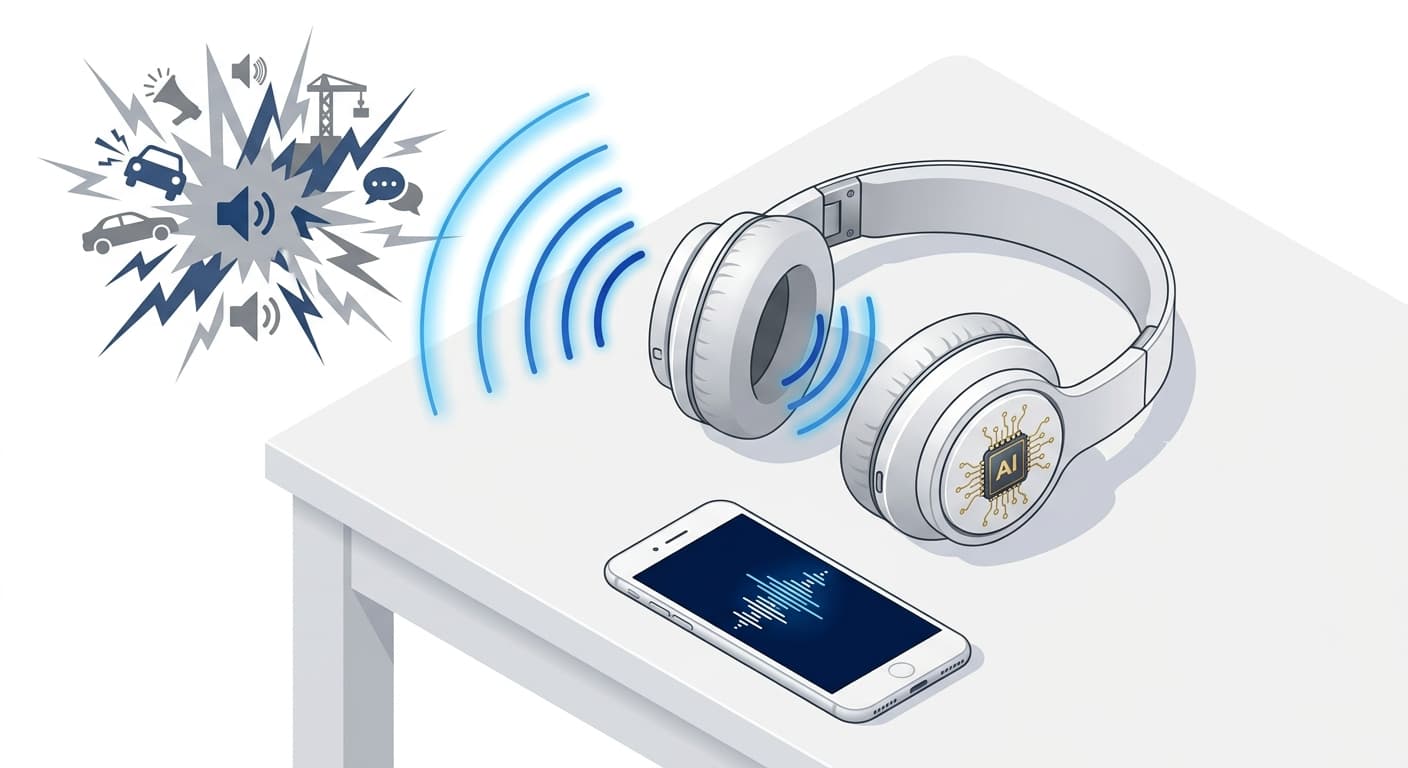
Furthermore, AI is making waves in the world of audio. Noise-canceling headphones have reached a plateau in terms of raw hardware, but AI software is taking them to the next level. The latest high-end headsets use AI to "reconstruct" audio that has been lost during compression or to create a "spatial" environment that adapts to the shape of the listener's ears. For the audiophile or the remote worker, a pair of headphones that uses AI to isolate their voice and cancel out a crying baby or a leaf blower in the background is a transformative tool. When shopping for these gadgets, look for "on-device" processing. The most impressive AI creative tools perform their calculations locally rather than in the cloud, which means less latency and better privacy for the user’s creative files.
The Quantified Self 2.0: AI-Powered Wellness and Longevity
The "tech enthusiast" and the "wellness optimizer" are often the same person. This demographic loves data, but data is only useful if it’s interpreted correctly. This is where AI-driven health wearables come in. We have moved past simple step counters. The best AI gadgets for health now focus on "recovery" and "readiness." By using machine learning to analyze heart rate variability (HRV), sleep patterns, and skin temperature, these devices can tell a user when they are pushing too hard and when they are primed for a high-intensity workout.
One of the most exciting frontiers in this space is AI-powered sleep technology. From smart mattresses that adjust their temperature and firmness based on the sleeper’s movements to wearable rings that provide a "sleep score" with actionable advice on how to improve it, AI is becoming a personal sleep coach. For the person who has everything, consider a gadget that focuses on "longevity tech." This might include an AI-driven posture tracker that vibrates when you slouch or a smart water bottle that calculates your hydration needs based on the local weather and your activity level. These gifts show a deep level of care, as they aren't just toys—they are investments in the recipient's long-term well-being.
The Smart Buyer’s Checklist: Navigating the AI Hype
Because "AI" is currently the biggest buzzword in the industry, it is easy to fall for products that are more hype than substance. As a savvy shopper for HootFinds, your goal is to separate the truly intelligent gadgets from the "AI-washed" ones. The first thing to check is the "utility-to-gimmick" ratio. Ask yourself: Does this gadget solve a problem that a non-AI device couldn't? If the answer is "not really," it might be a pass. True AI gadgets should offer a level of personalization or automation that feels like magic but serves a practical purpose.
Privacy is the second, and perhaps most important, consideration. AI gadgets often require access to a lot of personal data—voice recordings, home maps, or health metrics—to function effectively. Before purchasing, look into the brand's reputation for data security. Does the device process data locally, or does it send everything to a server? Does it require a monthly subscription? Many AI gadgets now operate on a "Hardware as a Service" (HaaS) model, where the device itself is relatively affordable, but the "intelligence" requires a recurring fee. Make sure your recipient is prepared for that commitment, or better yet, look for devices that offer a robust "lifetime" feature set without the need for a subscription. Finally, consider the "future-proofing" aspect. AI is moving incredibly fast; look for hardware that supports over-the-air (OTA) updates so the gadget can get smarter over time rather than becoming obsolete in six months.
Gifting in the age of AI is about more than just giving someone a new piece of plastic and silicon; it’s about giving them a new way to interact with the world. Whether it’s a tool that helps them reclaim their time, a device that nurtures their creativity, or a wearable that protects their health, the best AI gadgets are those that disappear into the background while making the user’s life significantly better. By focusing on utility, privacy, and seamless integration, you can find a gift that will truly wow even the most cynical tech enthusiast.
Common Questions
🤔
Frequently Asked Questions
What is the 'cognitive dividend' and why should I consider it when buying AI gadgets?▼
The cognitive dividend refers to the time, mental energy, and friction saved by using an AI device that anticipates your needs and handles complex tasks. It’s about turning digital intentions into physical actions without constant app-hopping or manual input. When shopping, prioritize devices that offer tangible productivity gains and a quieter cognitive load, not just novelty features.
How do LLMs and LAMs change how gadgets understand and act on requests?▼
LLMs and LAMs let devices understand intent from natural language, not just scripted commands. They enable action-oriented tasks like booking travel, organizing calendars, or drafting replies with minimal user prompting. This results in smoother interactions and fewer interruptions to your workflow.
What features define a truly cognitive home device?▼
A true cognitive home device learns household patterns, adapts to routines, and reduces friction through computer vision and machine learning. It should map spaces, distinguish between people and objects, and adjust behavior in real time—like a vacuum that avoids cords or a camera system that minimizes false alarms. Reliability, privacy controls, and seamless integration with existing ecosystems are also key.
Are AI gadgets good gifts for productivity hackers or creative professionals?▼
Yes. AI gadgets that act as a 'buffer'—summarizing emails, prioritizing alerts, and handling scheduling—can free up mental bandwidth for high-priority work. For creatives, tools that automate repetitive tasks or augment decision-making save time and spark new workflows. Look for devices designed for hands-free use, minimal distraction, and clear cognitive dividends rather than gimmicks.
Explore Related Topics
Browse more gift ideas in the categories this article belongs to.