Blog6/12/2026
Top Eco-Friendly Kitchen Gifts for Thoughtful Home Cooks
5 mins Read

The Briefing
Quick takeaways for the curious
Eco-friendly kitchen gifts should be practical and enhance daily cooking rather than just be ‘green’ tokens; the best picks fit the recipient’s habits and space.
For gadget-loving friends, prioritize durable upgrades over more gadgets—think Swedish dishcloths from Three Bluebirds and glass fermentation crocks from Mortier Pilon that reduce disposable waste.
Urban gardeners benefit from tools like countertop composters and indoor herb systems, but be mindful of maintenance needs, costs, and ecosystem lock-ins.
Minimalists succeed with versatile, invisible tools such as beeswax wraps and stacking glass containers that cut clutter and plastic without compromising usefulness.
When choosing gifts, weigh ongoing costs (filters, pods, replacements) and practical trade-offs to ensure the gift remains sustainable in use as well as in production.
Let's stop pretending that buying green means buying boring beige sacks. There’s the person who thinks their kitchen is a NASA test site, the one whose apartment is a leafy jungle of humidity-loving ferns, the minimalist who treats clutter like a personal insult, and the absolute mess-maker who needs tools that can survive a nuclear blast. Finding a gift that actually helps the planet without making the recipient feel like they’re living in a commune is the goal. Here is how to nail the kitchen gift exchange without being the person who gives a lecture with their wrapping paper.
For the friend who already owns every gadget
This person has a drawer full of avocado slicers they’ve never used and a sous-vide machine that’s been collecting dust since 2019. They don't need another plastic gimmick. They need an upgrade to the boring stuff they use every single day. Look at high-end Swedish dishcloths from a brand like Three Bluebirds. These things cost around $7 each, they replace about 17 rolls of paper towels, and they don’t turn into a gray, slimy disaster after three days. The catch is that they start to look a little crusty once they dry out, so you have to train yourself to re-wet them to regain that satisfying, squishy flexibility.

You could also pivot to a glass fermentation crock from Mortier Pilon. These run anywhere from $40 to $70 depending on the size, and they’re essentially the "I make my own kraut" status symbol. They look like apothecary jars and make the kitchen feel like a science lab that actually tastes good. The trade-off is the sheer weight of these things; if they drop it on a granite countertop, the countertop is going to lose. Cleaning them is also a bit of a chore because you have to be meticulous about the nooks in the lid.
For the aspiring urban farmer with a windowsill jungle
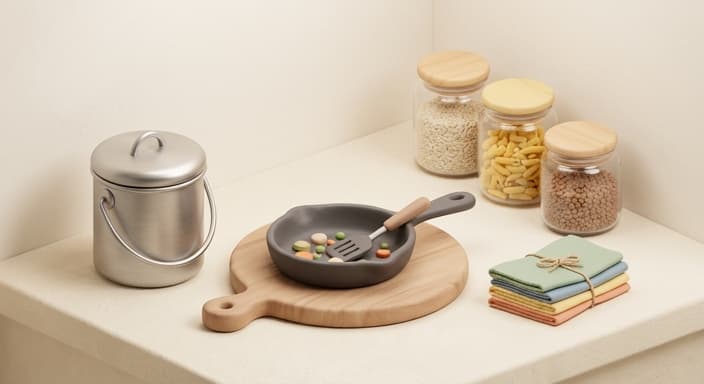
This human has more plants than they have square footage and treats their basil like a first-born child. For them, a countertop composter is the holy grail. The Lomi is a big, expensive piece of machinery, but if you want something smaller and more manual, the Vitamix FoodCycler or a simple ceramic bin from Bamboozle, priced between $30 and $50, works wonders. The Bamboozle bins are sleek, and they come with charcoal filters that actually keep the smell of rotting banana peels at bay. What might bug you is that those charcoal filters aren't free, and you need to swap them out every few months, which feels like paying a subscription fee for your own trash.
If they already have a bin, get them a high-quality vertical herb garden kit. Something like the Click and Grow Smart Garden, which typically goes for $100 to $200, handles the lighting and watering for them. It’s basically a nightlight for their countertop that eventually becomes a garnish. The annoyance factor here is the proprietary pods. You’re locked into their ecosystem, so if you want to grow a weird variety of kale they don’t sell, you’re basically out of luck unless you buy empty pods and hack the system.
For the minimalist who hates extra clutter
The minimalist wants things that serve three purposes or go completely invisible when not in use. Skip the fancy sets and buy them a set of beeswax wraps from Bee's Wrap or Abeego. A starter pack usually sets you back $15 to $25. They are genuinely great for covering leftovers without reaching for the plastic wrap, and they last about a year if you’re not a total savage with the hot water. The downside is that they definitely leave a faint, waxy smell on your hands for a few minutes after you use them, and you absolutely cannot use them on raw meat unless you want to invite bacteria to dinner.

Another solid bet is a set of stacking glass containers, like the ones from Weck or the Pyrex Simply Store range, costing roughly $30 to $50 for a decent set. They look like vintage pantry storage, they stack perfectly, and you can see exactly what’s inside so you don't find a science experiment in the back of the fridge three months later. The catch is the lids. If you get the glass-clip style, those rubber gaskets get lost or stretched out eventually, and finding replacements is a total nightmare.
For the chaotic chef who ruins every tool they touch
This person is essentially a whirlwind of flour and broken dreams. They need gear that is indestructible. Cast iron is the gold standard here, but if they already have a skillet, go for a high-end silicone baking mat set from Silpat. They run about $25 to $40 and replace parchment paper forever. These mats are basically heat-proof rubber sheets that nothing sticks to, which is a miracle for someone who usually burns their cookies to the tray. The trade-off is that they are notoriously annoying to clean if you get oil or butter underneath them, and they can’t be folded, so you need a flat place to store them in a drawer that is likely already overflowing.
If they aren't a baker, look at a set of stainless steel nesting mixing bowls with silicone bases. Brands like Cuisinart or FineDine have sets for around $40. The silicone bottom keeps the bowl from sliding across the counter when you’re aggressively whisking eggs, which is a life-saver for the clumsy cook. What might bug you is that those silicone rings on the bottom are magnets for mold if they aren't dried perfectly after a cycle in the dishwasher. You have to be diligent about taking them off to dry, or the kitchen starts smelling like a damp basement.
If you are still stuck
When in doubt, go for a high-quality wooden cutting board made from sustainably sourced acacia or maple, which usually runs $40 to $80. It’s a classic, it’s functional, and it isn't an appliance that will break in two years. Just make sure you include a small bottle of food-grade mineral oil so they can maintain the wood, because if they let it dry out and crack, it’s basically game over.
Common Questions
🤔
Frequently Asked Questions
What makes an eco-friendly kitchen gift truly practical?▼
A truly practical eco gift solves a real kitchen need without creating new waste. It should offer lasting performance and fit the recipient’s routines and space, encouraging consistent use. Favor durable, reusable options that replace single-use items, such as beeswax wraps or reusable dishcloths, over novelty gadgets. Finally, consider ease of cleaning and maintenance to avoid gifts that become abandoned.
Which gifts are best for gadget-loving friends?▼
For gadget lovers, steer away from plastic gimmicks and toward upgrades that genuinely simplify daily tasks. Durable items like Swedish dishcloths can replace many paper towels, and glass fermentation crocks turn small experiments into everyday staples. Weight the reliability and real-world impact of the gift over the novelty factor. The goal is a practical improvement in routine, not another plastic trinket.
How can you support small brands while shopping sustainably?▼
Support brands that prioritize durable materials, repairability, and minimal packaging. Look for clear, ethical sourcing and transparent manufacturing practices. Price and long-term value matter too, so compare lifespans and maintenance costs (like filter replacements or pods) before buying. Brands mentioned in this guide, such as Three Bluebirds, Mortier Pilon, Bee's Wrap, and Click and Grow, illustrate how sustainability can align with quality.
What are common trade-offs to be aware of with eco gifts?▼
Many eco gifts come with trade-offs like heavier weight, higher upfront cost, or ongoing maintenance. For example, glass or ceramic items may be durable but require careful handling, and some composters or garden kits lock you into specific ecosystems with replacement parts or pods. Consider the recipient’s storage space, willingness to maintain the item, and whether the continual costs align with the gift’s sustainability benefits.
Explore Related Topics
Browse more gift ideas in the categories this article belongs to.