Blog3/17/2026
Best Eco-Friendly Easter Basket Ideas for a Green Spring
7 mins Read
The Briefing
Quick takeaways for the curious
Building an eco-friendly Easter basket starts with choosing a durable, natural vessel rather than disposable plastic baskets.
Sustainable fillers like real moss, wood wool, or recycled paper shreds elevate presentation while reducing waste.
Choose organic, Fair Trade-certified treats and packaging-conscious candies to support ethical farming and minimize plastic.
Upcycling the basket after Easter—using it as a tote, toy bin, or nursery organizer—extends the life of the gift.
Small changes in Easter gifting—high-quality ingredients, responsible sourcing, and repurposable packaging—demonstrate that celebration can be joyful and planet-friendly.
Spring is a season of renewal and growth, yet traditional Easter celebrations often leave behind a trail of single-use plastics and non-biodegradable waste. At HootFinds, we believe that the most meaningful holiday traditions are those that honor the earth while creating lasting memories for the little ones in your life.
In this guide, we’ve curated a thoughtful selection of sustainable alternatives, from heirloom-quality baskets to organic treats, to help you build an eco-friendly Easter basket that is as kind to the planet as it is delightful to receive. Whether you are shopping for a toddler, a teen, or a green-thumbed adult, these picks prove that you don't have to sacrifice the "wow factor" to make a positive environmental impact.
Rethinking the Vessel: Sustainable Baskets and Natural Fillers
The journey to a more sustainable Easter begins with the basket itself. Every year, millions of inexpensive plastic baskets are sold, only to be discarded or forgotten in a garage once the candy is gone. To break this cycle, we suggest investing in a high-quality "forever" basket. Think of materials like hand-woven seagrass, sturdy willow, or sustainably harvested bamboo. These natural fibers are not only biodegradable but also incredibly durable. A well-made wicker basket can transition from an Easter vessel to a library book tote or a stylish nursery organizer for the rest of the year. If you’re feeling extra creative, consider "upcycling" a beautiful canvas bucket or a felted wool basket that can be repurposed as a toy bin long after the egg hunt has ended.
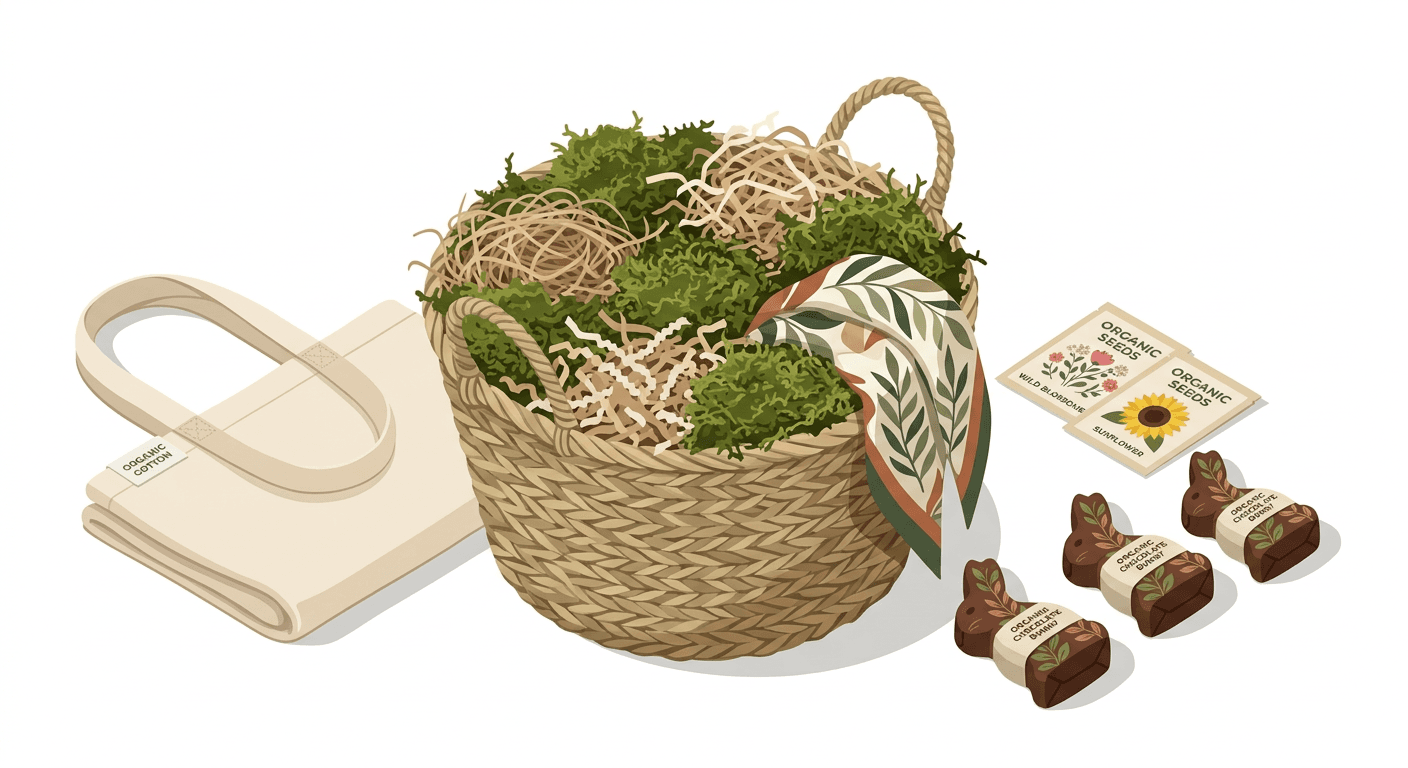
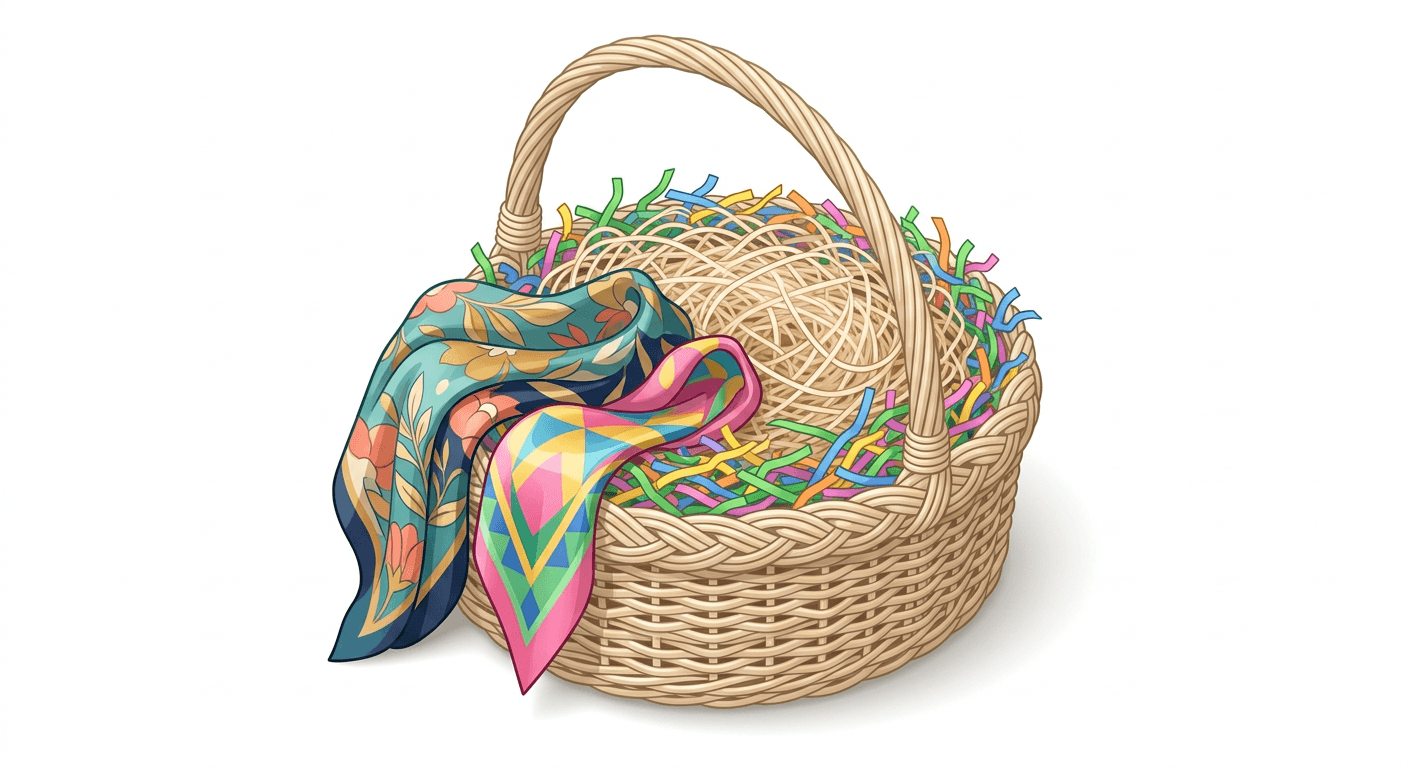
Once you have your vessel, the next hurdle is the "grass." That neon-green plastic crinkle grass is perhaps the biggest environmental offender of the holiday—it’s impossible to recycle, harmful to wildlife if it escapes into the yard, and a nightmare for vacuum cleaners. Instead, look to nature. Real dried moss provides an earthy, whimsical forest floor look that feels incredibly high-end. Alternatively, wood wool (fine wood shavings) offers a rustic aesthetic and is completely compostable. If you prefer a pop of color, opt for 100% recycled paper shreds or even colorful silk scarves that can be used as a "bonus gift" for dress-up play later. These small shifts in the foundation of your basket immediately elevate the presentation from "discount store" to "artisanal boutique."
Sweetness with a Conscience: Organic and Ethical Easter Treats
It wouldn't be Easter without a bit of indulgence, but the conventional candy aisle is often a minefield of artificial dyes, palm oil, and excess packaging. When building an eco-friendly basket, the goal is to find treats that are as good for the farmers who grew them as they are for the person eating them. Start by looking for the Fair Trade Certified seal. This ensures that the cocoa was sourced ethically, without the use of child labor, and that farmers were paid a living wage. Brands like Theo, Taza, and Divine Chocolate offer stunning seasonal shapes—like dark chocolate bunnies or praline eggs—that use high-quality, organic ingredients without the chemical additives found in mass-market brands.
For those who prefer fruity flavors, seek out gummies and jelly beans that use natural fruit juices for color rather than petroleum-based dyes like Red 40 or Yellow 5. Many eco-conscious confectioners now use turmeric, beet juice, and spirulina to achieve those vibrant springtime hues. Furthermore, pay attention to the packaging. Look for chocolate wrapped in recyclable foil or candies housed in compostable cardboard boxes rather than plastic bags. By choosing treats with a smaller footprint, you’re teaching children that celebration doesn’t have to come at the expense of the environment. Plus, the higher quality of organic chocolate means the flavor is richer and more satisfying, making a single, well-crafted chocolate bunny feel far more special than a mountain of generic sweets.
The Gift of Growth: Nature-Focused Activities and Garden Kits
One of the most beautiful ways to celebrate the theme of "new life" is by including gifts that literally grow. Instead of filling plastic eggs with tiny plastic trinkets that will likely be lost by Monday, consider filling them with "seed bombs" or packets of easy-to-grow wildflowers. These small additions turn the backyard into a classroom where children can learn about pollinators and the lifecycle of plants. A "Pizza Garden" kit—containing seeds for tomatoes, basil, and oregano—is a fantastic way to engage older children in the kitchen and the garden simultaneously. These gifts provide weeks of entertainment and a tangible reward at the end, which is far more fulfilling than the momentary dopamine hit of a disposable toy.
For the younger set, high-quality wooden garden tools or a small metal watering can make excellent basket fillers. These items encourage outdoor play and help foster a deep connection with nature from an early age. If you’re shopping for someone who doesn't have a yard, consider a "windowsill herb kit" or a beautiful succulent in a terracotta pot. These living gifts add a breath of fresh air to any indoor space and serve as a daily reminder of the holiday’s message of renewal. At HootFinds, we’ve found that the most successful eco-friendly baskets are those that move the focus away from "stuff" and toward "experience" and "nurturing."
Playtime with a Purpose: Heirloom Toys and Eco-Materials
When it comes to the non-edible surprises in the basket, the "quality over quantity" rule is your best friend. The toy industry is one of the most plastic-intensive sectors in the world, but there is a growing movement of manufacturers creating incredible alternatives from sustainable materials. For infants and toddlers, look for toys made from FSC-certified wood or natural rubber. A set of wooden stacking eggs or a beautifully carved bunny pull-toy will last for generations, unlike their plastic counterparts which often crack or break within months. Brands like PlanToys even use "Rubberwood"—a byproduct of the latex industry—to ensure that no part of the tree goes to waste.
For older kids, consider toys made from 100% recycled plastic. There are companies that transform milk jugs and yogurt cups into durable sand pails, trucks, and tea sets, giving a second life to materials that would otherwise clog our oceans. If your recipient loves soft toys, look for plush animals made from organic cotton or recycled polyester fill. These "eco-stuffies" are often free from the flame retardants and harsh chemicals found in standard plush toys, making them safer for snuggling. By choosing heirloom-quality items, you are not only reducing waste but also giving a gift that holds its value and can be passed down to siblings or friends, continuing the cycle of sustainability.
Eco-Friendly Traditions: Natural Egg Dyeing and Low-Waste Fun
The activities associated with Easter can also be given a green makeover, and including the supplies for these traditions inside the basket is a great way to kick off the festivities. If your family loves dyeing eggs, skip the tablets of synthetic dyes and include a "Natural Egg Dye Kit" or the raw ingredients to make your own. You can achieve stunning results using common pantry items: red cabbage creates a vibrant blue, turmeric yields a sunny yellow, and onion skins produce a rich, deep orange. This process is like a science experiment and an art project rolled into one, and it’s a wonderful way to spend a Saturday afternoon together.
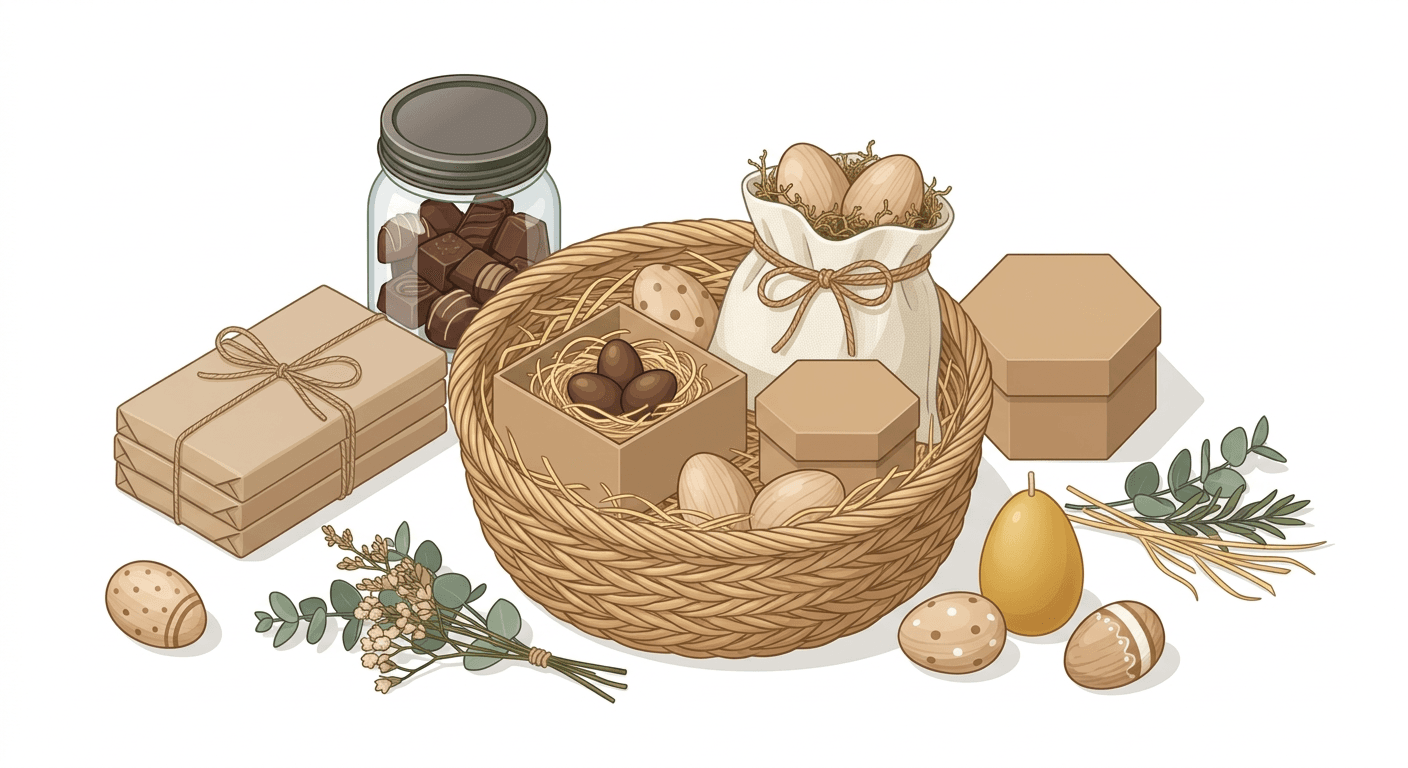
Beyond the eggs, consider including "experience-based" gifts. A set of beeswax crayons and a sketchbook made from recycled paper can provide hours of creative fun. Or, for a truly low-waste option, include "activity coupons" hidden inside reusable wooden or cloth eggs. These coupons could be for things like "one extra bedtime story," "a trip to the park," or "a family movie night with homemade popcorn." These gestures focus on the joy of shared time and connection, which is the true heart of any holiday. By integrating these low-impact traditions into your Easter basket, you’re creating a celebration that feels intentional, grounded, and deeply personal.
A Mindful Conclusion to Your Spring Celebration
Building an eco-friendly Easter basket isn't about perfection; it’s about making mindful choices that align with your values. By swapping out single-use plastics for durable materials, choosing ethical treats, and focusing on gifts that encourage a connection with nature, you are creating a holiday experience that is both beautiful and responsible. At HootFinds, we believe that these small, intentional shifts in how we gift can lead to a significant positive impact over time. This year, as you watch your loved ones uncover their treasures, you can take pride in knowing that your celebration is contributing to a greener, more sustainable future for the very children you are celebrating. Happy hunting!
Common Questions
🤔
Frequently Asked Questions
What are the best materials for a sustainable Easter basket vessel?▼
Opt for a high-quality 'forever' basket made from natural fibers like hand-woven seagrass, willow, or sustainably harvested bamboo. These materials are durable, biodegradable, and far less wasteful than disposable plastic baskets. A well-made basket can transition into a library tote or nursery organizer, extending its usefulness beyond Easter. If you want to get creative, consider upcycled options like a canvas bucket or a felted wool basket that doubles as a toy bin.
What are good natural fillers to replace plastic grass?▼
Replace neon plastic grass with natural fillers such as real dried moss or wood wool, which are compostable or biodegradable. They create a forest-floor look that's luxe and understated. If you want color, use 100% recycled paper shreds or repurpose colorful silk scarves from your craft stash. These options reduce wildlife risk and avoid vacuum-cleaner headaches.
How can I choose organic and ethical treats for the basket?▼
Seek treats with Fair Trade Certified seals to ensure ethical cocoa farming and fair wages for farmers. Brands like Theo, Taza, and Divine Chocolate offer seasonal shapes using organic ingredients without artificial additives. Look for candies colored with natural dyes from fruit and vegetable ingredients rather than synthetic colorants, and check packaging for recyclability or compostability. Choosing high-quality chocolate also creates a sense of special occasion with a smaller but more meaningful assortment.
How can I repurpose or extend the basket's life after Easter?▼
Consider upcycling the basket into a garden tote, a toy bin, or a nursery organizer. If you chose sturdy seagrass or willow, it can last for years with gentle care. Store it in a dry place to prevent mildew and use it for seasonal storage. By giving the basket a new life, you reinforce the eco-friendly spirit of your Easter gift.
Explore Related Topics
Browse more gift ideas in the categories this article belongs to.