Blog4/29/2026
Best Outdoor Tech Gifts for Spring: Adaptive Resilience
5 mins Read
The Briefing
Quick takeaways for the curious
Spring adventuring benefits from gear that adapts to shoulder-season conditions rather than gadget-heavy clutter.
Adaptive Resilience prioritizes gear that is quiet, reliable, rugged, weatherproof, and easy to use.
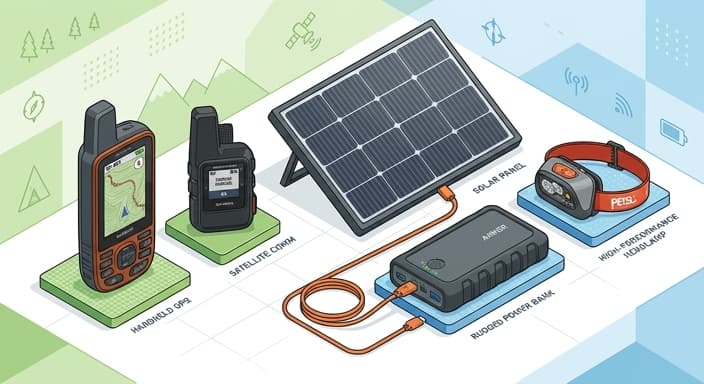
For navigation, a dedicated handheld GPS or satellite communicator provides reliable position data when cellular service is unreliable and trails are challenging.
A modular power setup, with rigid solar panels paired to a rugged power bank, keeps devices charged through changing sun and cloud cover, with features like Auto-Restart helping resume charging after brief shade.
In lighting, choose a headlamp for reliability in cooler evenings and varying light, focusing on battery performance, weather resistance, and glove-friendly controls.
As the frost retreats and the landscape begins to flush with new color, the call of the wild becomes impossible to ignore. Spring is the season of transition, offering the perfect intersection of mild temperatures and budding scenery, yet it remains a time when the right gear is the difference between a triumphant weekend in the elements and a retreat back to the comfort of the indoors.
The Philosophy of "Adaptive Resilience"
When shopping for the outdoor enthusiast during the transition into spring, it is easy to succumb to the "gadget-heavy trap"—the tendency to buy over-engineered, battery-draining devices that promise to do everything but often fail when faced with the reality of spring’s unpredictable humidity and sudden showers. We see this cycle every spring: an influx of disposable power banks, flimsy solar chargers, and non-weatherproof devices that clutter a pack without providing any tangible benefit to the user. At HootFinds, we reject the cycle of "performative outdoor tech." Instead, we embrace "Adaptive Resilience."
Adaptive Resilience is the art of selecting equipment that thrives in the shoulder season. It is the recognition that the best outdoor tech is silent, reliable, and fundamentally rugged. It is gear that doesn't demand your attention but instead works quietly in the background to ensure your safety, comfort, and navigation. By focusing on IP-rated weatherproofing, high-density energy storage, and tactile, glove-friendly interfaces, we curate a selection of tools that allow the explorer to focus on the trail rather than the limitations of their electronics.
Navigation and Safety: The Foundation of Exploration
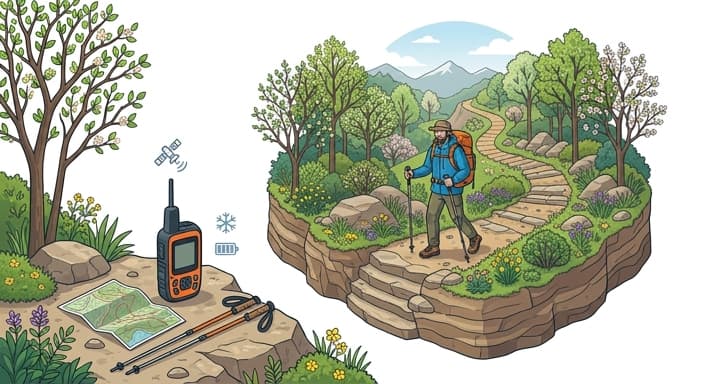
In the spring, trails are often washed out, partially obscured by lingering snowmelt, or temporarily rerouted. This is not the time to rely solely on the battery life of a standard smartphone. The foundation of any spring excursion should be a dedicated handheld GPS or a satellite communicator that operates independently of cellular networks.
Look for devices that feature "Multi-Band GNSS" technology, which significantly improves position accuracy even in deep canyons or under heavy tree cover—common obstacles during a spring hike. When selecting a satellite communicator, prioritize units with long-lasting lithium-ion batteries that are rated for sub-freezing temperatures. A device that can send an SOS or share location coordinates via satellite is not just a tech gift; it is a piece of essential life-saving equipment that offers peace of mind to the user and their family back home.
Harnessing the Sun: Sustainable Power on the Move
Spring sunlight is deceptively powerful, and it provides the perfect opportunity to utilize high-efficiency portable solar panels. However, the key here is to move away from the cheap, flexible, "foldable" panels that often yield inconsistent wattage and break after a few trips. Instead, look for rigid or semi-rigid monocrystalline panels designed for rugged outdoor use.
The best solar chargers for spring are those that pair with a ruggedized, shock-proof power bank. This "buffer" system allows the solar panel to charge the battery pack consistently throughout the day, while the user can charge their headlamp, phone, or GPS from the battery pack whenever necessary. This modular approach ensures that even if a spring cloud bank rolls in, your devices remain topped up. Always check for "Auto-Restart" technology in solar controllers—a vital feature that allows the device to resume charging automatically if the sun is momentarily obscured by a passing rain shower.
Illuminating the Shoulder Season
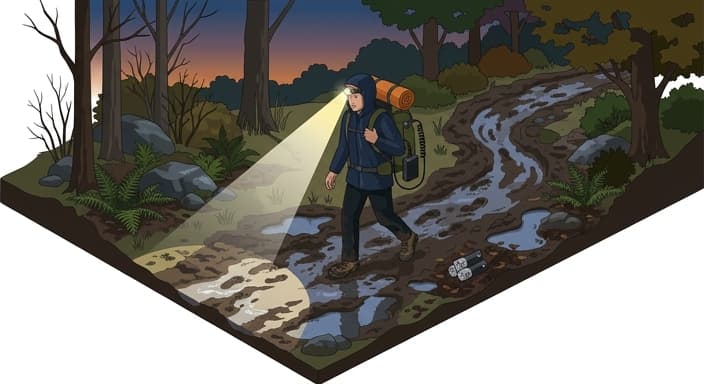
As daylight hours remain in flux, the transition from late afternoon warmth to a chilly, pitch-black evening happens quickly in the spring. A high-quality headlamp is the single most important piece of tech for any outdoor adventure, yet it is often the most overlooked. For spring, you want a headlamp that offers more than just raw lumens; you want "beam versatility."
Look for models that offer a dedicated floodlight mode for setting up camp or navigating a trail, and a focused spotlight mode for long-distance visibility. Furthermore, ensure the device is IP67 or IP68 rated. Spring means mud, puddles, and unexpected downpours; a headlamp that isn't fully waterproof is a liability. Consider gifts that feature a hybrid power system—the ability to run on a rechargeable battery pack while also accepting standard AAA batteries as a backup—which provides the ultimate safety net for extended trips where charging ports are non-existent.
Precision Metrics for the Data-Driven Adventurer
For those who treat every hike as a training session or a chance to document the changing seasons, a ruggedized multisport watch is an invaluable companion. Unlike standard smartwatches that are designed for the office, these dedicated outdoor watches are built with sapphire crystal lenses and fiber-reinforced polymer cases to withstand impacts against granite or accidental drops on rocky terrain.
The best models for spring include barometric altimeters and compasses that track changes in air pressure, which can serve as an early warning system for incoming spring storms. When selecting this as a gift, look for watches that offer "TopoActive" maps pre-loaded, allowing the user to view terrain contours directly on their wrist. This eliminates the need to fumble with a phone in cold, damp conditions, keeping the user’s hands free and their focus on the path ahead.
Creating a Seamless Tech Ecosystem
The final piece of the puzzle is how all these devices interact. A common frustration for outdoor enthusiasts is the "cable spaghetti" that inevitably forms at the bottom of a pack. To round out a thoughtful gift, consider high-quality, braided, reinforced charging cables that are specifically designed for low-temperature flexibility. Standard PVC cables often become stiff and prone to cracking in the cool spring air; silicone-jacketed or nylon-braided alternatives remain supple and durable.
Pair these with a waterproof tech organizer—a small, dedicated pouch that keeps cables, power banks, and adapters in one place. By turning a chaotic bag into an organized system, you are gifting the recipient something far more valuable than the hardware itself: you are gifting them the ability to spend less time managing their gear and more time experiencing the rejuvenation of the season.
The true value of outdoor tech lies not in the specifications, but in the confidence it grants the adventurer. By selecting tools that prioritize durability, weather resistance, and intuitive operation, you provide the explorer with a reliable backbone for their spring expeditions. Whether they are navigating high-altitude trails or simply enjoying a local forest hike, these gifts act as a silent support system, allowing them to lean into the uncertainty of the season with complete assurance.
Common Questions
🤔
Frequently Asked Questions
What is Adaptive Resilience and why does it matter for spring outdoor tech?▼
Adaptive Resilience is the practice of selecting equipment that thrives in the shoulder seasons, offering quiet, reliable, rugged gear that works in the background to keep you safe and comfortable. It avoids gadget-heavy clutter and emphasizes IP-rated weatherproofing, high-density energy storage, and tactile interfaces. In spring's unpredictable humidity and showers, such gear should not become a liability and instead supports the explorer on the trail.
Which navigation devices are essential for spring hikes?▼
A dedicated handheld GPS or a satellite communicator is essential because spring trails are often washed out or obscured. Devices with Multi-Band GNSS improve accuracy under canopies and in rugged terrain, while long-lasting batteries and sub-freezing performance ensure they work when cellular networks do not. A communicator that can SOS or share location adds a crucial safety layer for you and your loved ones.
How should you approach solar charging for spring conditions?▼
Opt for rigid or semi-rigid monocrystalline panels designed for rugged use rather than fragile foldables. Pair panels with a ruggedized power bank so you can buffer energy and charge devices like headlamps or GPS from the bank as needed. Look for features like Auto-Restart on solar controllers to resume charging after brief shade from clouds, rain, or trees.
What should you look for in a headlamp for shoulder-season use?▼
Choose a headlamp that balances brightness with battery life and reliability in cooler temperatures. Look for weather resistance, glove-friendly controls, and a stable beam that covers both distance and nearby terrain. In spring evenings, dependable performance and easy operation matter more than peak lumens.
Explore Related Topics
Browse more gift ideas in the categories this article belongs to.