Blog3/28/2026
Best Subscription Boxes for Creative Kids: Top Picks
6 mins Read
The Briefing
Quick takeaways for the curious
Sub boxes offer ongoing creative engagement that replaces boredom with a monthly infusion of inspiration and hands-on exploration.
The concept of flow explains why these kits help kids develop focus, persistence, and problem-solving through long-form, hands-on projects.
Matching the box to a child's age and temperament—sensory play for ages 3–7, STEAM for 8–12, and autonomy-focused projects for teens—maximizes development and enjoyment.
Subscription models create anticipation and ownership, turning gift-giving into a recurring, purposeful ritual rather than a single event.
When selecting a box, prioritize material quality, appropriate difficulty, and alignment with the child's interests to foster a lasting growth mindset.
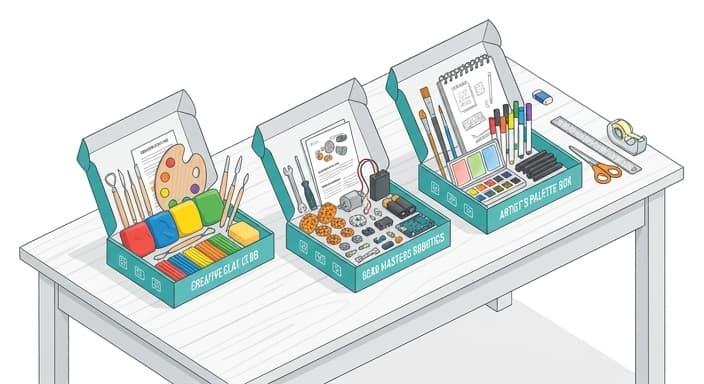
In a world dominated by flickering screens and instant digital gratification, there is something deeply grounding about the tactile joy of creating something from scratch. When you gift a child a subscription box, you are gifting them more than just a pile of supplies; you are providing a recurring invitation to explore, fail, tinker, and ultimately, triumph.
At HootFinds, we believe that the best subscription boxes for creative kids act as gateways to curiosity. Whether you are shopping for a restless toddler who needs to get their hands messy, a burgeoning engineer obsessed with how things work, or an artistic teen looking for a professional-grade outlet, these curated experiences provide the structure needed for deep focus. By choosing a subscription service, you are replacing the "I’m bored" refrain with a predictable, monthly infusion of inspiration that honors the child’s innate need to innovate.
The Developmental Power of "Flow State" Through Play
To understand why creative subscription boxes are so impactful, we must look at the psychological concept of "Flow"—a state of complete immersion in an activity where time seems to stand still. When a child is engaged in a complex craft or a hands-on building project, their brain enters a state of deep concentration that is distinct from the passive consumption of television or video games. This isn't just "play"; it is cognitive training.
During these periods of flow, children are developing essential executive functions, including persistence, problem-solving, and emotional regulation. Unlike a toy that does the work for them—such as a doll that talks or a car that drives itself—creative subscription boxes require the child to be the primary actor. This shift in agency is profound. When a child constructs a working circuit or paints a canvas, they are building a "growth mindset." They learn that mistakes are not failures, but rather necessary iterations in the creative process. By providing the tools for these micro-projects on a recurring basis, you are helping them build the mental resilience necessary to tackle challenges well beyond the craft table.
Curating the Right Fit: Matching Interest to Age and Temperament
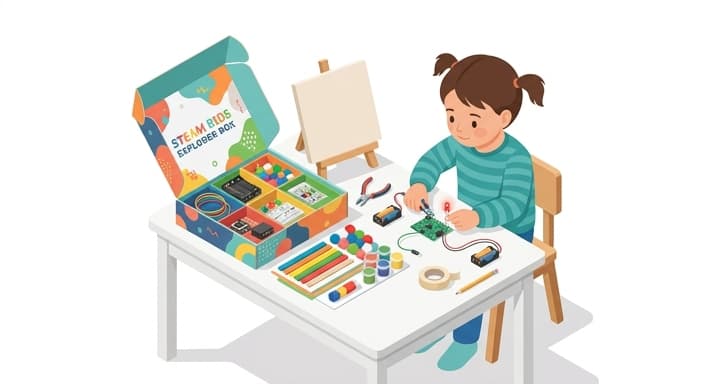
Not all creative boxes are created equal, and the secret to a successful gift is matching the box’s "vibe" to the child’s specific developmental stage. For younger children (ages 3–7), look for boxes that prioritize tactile exploration and sensory play. These kids are still developing fine motor skills, so kits that involve stickers, molding clay, or simple assembly help them gain confidence in their physical capabilities.
As children move into the middle-childhood years (ages 8–12), their interests often diverge into specialized niches. This is the "Golden Age" of subscription boxes, where kits start to bridge the gap between art and science—often called STEAM (Science, Technology, Engineering, Art, and Math). If you have a child who loves to take things apart, look for boxes that feature mechanical engineering or coding. If they are the type to draw in the margins of their notebooks, prioritize art-focused boxes that provide professional-grade materials like watercolor paints, charcoal, or high-quality markers. For the pre-teen and teen years, the focus should shift toward complexity and autonomy. At this stage, they want to create products that feel "real"—think DIY soap-making, complex woodworking, or advanced textile arts.
Why Subscription Boxes Outperform One-Off Gift Sets
The beauty of the subscription model lies in its ability to build anticipation. In a world where children are often overwhelmed by a deluge of gifts on birthdays or holidays, a subscription box provides a "slow-burn" experience. The arrival of a physical package in the mail, addressed specifically to the child, creates a sense of importance and personal ownership. It transforms the act of receiving a gift into a monthly ritual rather than a single, fleeting moment of excitement.
Furthermore, subscription boxes solve the perennial problem of "parental fatigue." We have all been there: a child receives a giant box of art supplies that ends up scattered across the floor, unorganized and eventually forgotten. Subscription boxes are inherently minimalist; they provide exactly what is needed for one or two specific projects, keeping the clutter at bay while ensuring the materials are high-quality and age-appropriate. Because the projects are curated by experts, you don’t have to spend hours scouring the internet for DIY craft ideas that actually work. The box arrives, the instructions are clear, and the creative session can begin immediately. It is an investment in quality time, providing a structured container for parents and children to bond over a shared task without the pressure of "planning" the activity.
Tips for Maximizing the Creative Experience
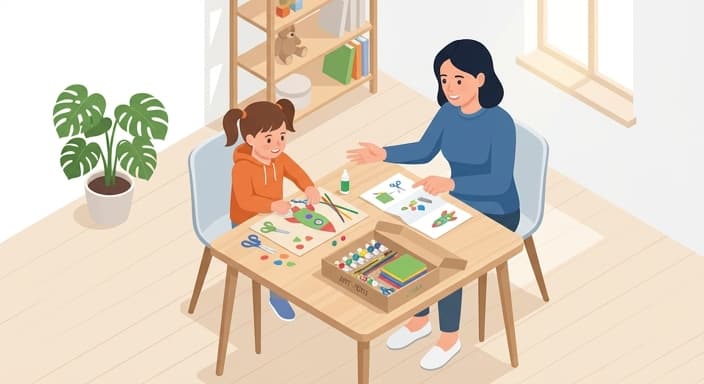
To get the most out of your subscription box gift, consider framing the arrival of the box as a dedicated "Creative Hour." Set aside a consistent time each month—perhaps the first Saturday morning or the Friday after the box arrives—where the focus is entirely on the project. This removes the stress of trying to squeeze a messy project into a busy weeknight and creates a predictable rhythm that the child will start to look forward to with genuine excitement.
Another tip is to encourage "creative drift." While these boxes come with instructions, the true magic happens when a child decides to deviate from the guide. If the kit is meant to build a birdhouse, encourage them to paint it in an unconventional way or add accessories that weren't in the box. Remind them that the goal isn't to replicate the picture on the cover, but to express their own vision. Finally, create a "Gallery Wall" or a "Project Shelf" in their room. Displaying their finished work—no matter how imperfect—validates their effort and reinforces the idea that their creative output is something worth celebrating. When a child sees their creations displayed with pride, they are far more likely to approach the next month’s box with enthusiasm and confidence.
Choosing Sustainability and Longevity
When selecting a subscription service, consider the environmental impact. Many high-quality creative boxes are now moving toward sustainable packaging and non-toxic, eco-friendly materials. Look for companies that prioritize biodegradable supplies and minimal plastic waste. Not only is this better for the planet, but it also provides a valuable lesson for the child about the resources used to create their projects.
Additionally, consider the "longevity" of the skills being taught. Does the box provide a one-time craft, or does it teach a skill that can be used again? A box that teaches a child how to sew a button, wire a simple LED light, or mix colors properly is teaching them a tool for life. These are the gifts that truly keep on giving, turning a subscription service into a lifelong hobby.
Finding the perfect subscription box for a creative child is less about the contents of the box and more about the doors you are opening. By providing a recurring, high-quality, and intentional space for creativity, you are nurturing a mindset of innovation and confidence that will serve them long after they’ve outgrown their craft supplies. Whether they become the next great engineer, artist, or simply a well-rounded human who knows how to solve problems, your gift will be the spark that helped them get there. Choose a box that aligns with their current passion, clear a spot on the kitchen table, and get ready to witness the quiet, wonderful magic of a child at work.
Common Questions
🤔
Frequently Asked Questions
What are the developmental benefits of creative subscription boxes?▼
These boxes engage children in 'flow' states where deep concentration strengthens executive functions like planning and problem solving. They require the child to act as the primary maker, which builds agency and resilience. Through iterative tinkering and handling real materials, kids learn that mistakes are part of the process and a path to mastery. Over time, this nurtures a growth mindset that translates to challenges beyond crafts.
How should I match a box to my child's age and temperament?▼
For younger kids (roughly 3–7), prioritize tactile, sensory, and simple assembly kits that build fine motor skills and confidence. In middle childhood (8–12), look for boxes that bridge art and science—STEM challenges, coding, or art with professional-quality materials. For teens, seek higher autonomy and more complex projects that feel like real-world products. Always weigh your child’s interests and preferred pace to choose a vibe that sustains motivation.
What should I look for in terms of materials and safety?▼
Check that materials are age-appropriate, non-toxic, and durable enough for repeated use. Look for clear safety guidelines, tools appropriate for the age, and fresh supplies that match the project’s complexity. Reputable boxes often include quality brands and high-grade art supplies rather than single-use novelties. If safety or allergies are a concern, review ingredients and opt for boxes with transparent component lists.
How can parents maximize the value of a subscription box?▼
Treat the box as the start of a longer project, not a one-off gift—set aside regular time for building and finishing the project. Encourage your child to document progress, reflect on what worked and what didn't, and store finished projects in a simple portfolio. Involve the child in selecting future boxes or extension ideas to keep interest high and to reinforce problem-solving and planning skills. Use the arrival as a ritual to celebrate curiosity and set goals for the next month’s build.
Explore Related Topics
Browse more gift ideas in the categories this article belongs to.