Blog6/17/2026
Best Sustainable, Eco-Friendly Gifts for Gardeners in 2026
4 mins Read
The Briefing
Quick takeaways for the curious
Choose durable, repairable gear over disposable items to minimize waste when gifting gardeners.
Pruners like Felco 2 are modular; you can replace blades, springs, and nuts to keep the tool out of landfills for years, though they require maintenance.
Heirloom seeds from Seed Savers Exchange support biodiversity and allow seed-saving year after year, but they often require more pest management and patience.
Heavy-duty copper or galvanized steel watering cans age gracefully and develop patina, but they are heavier and less suitable for arthritis or limited wrist mobility.
Forged steel heads and solid ash handles with linseed-oil finishes outperform stamped metals and soft-grip plastics for longevity; avoid cheap stamped tools and rubber grips.
Investing in durable, UV-resistant gear like quality carts or composters can save waste over time, while budget plastic options may warp, crack, or fail sooner.
Gardeners often argue over whether to prioritize high-tech tools that save labor or simple, manual implements that outlast the user. The real battle isn't about utility, though; it’s about choosing between gear that creates waste and gear that biodegrades or stays in the family for decades.
Practical or sentimental — which lands better?
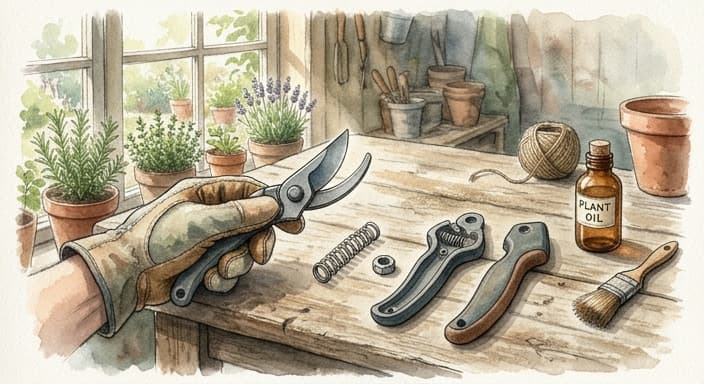
Practical gifts are the workhorses of the shed. If you buy a pair of Felco 2 pruners, you aren't just buying a tool; you’re buying a system of replaceable parts. These run around $65–$75. Because they are modular, a gardener can swap out the blade, the spring, or the locking nut years down the line instead of tossing the whole unit into a landfill. It is the gold standard for long-term ownership, but the catch is the steep learning curve for maintenance; if you don't keep them oiled and sharpened, the hinge will eventually seize up.
Sentimental gifts usually miss the mark because they focus on aesthetics over function. A decorative, painted watering can might look great on an Instagram feed, but the thin metal will rust through at the seams within two seasons. Instead, look for a heavy-duty copper or galvanized steel can, like those made by Haws, which range from $60 to $120. These pieces age gracefully, developing a patina rather than falling apart. The trade-off is the weight; they are significantly heavier than plastic alternatives, which can be a nuisance for someone with arthritis or limited wrist mobility.
Splurge vs. budget: where does the extra money actually go?
When you spend $200–$300 on a garden cart or a specialized composting tumbler, you are paying for thick-gauge recycled plastic or powder-coated steel that resists UV degradation. A budget $40 plastic compost bin will warp and become brittle after two summers in direct sunlight, eventually cracking when the gardener tries to turn the compost. Investing in a high-density polyethylene tumbler means you’re paying for structural integrity. The bugbear here is assembly; these high-end units often arrive in a flat box with fifty different screws, requiring a full afternoon and a bit of patience to put together.
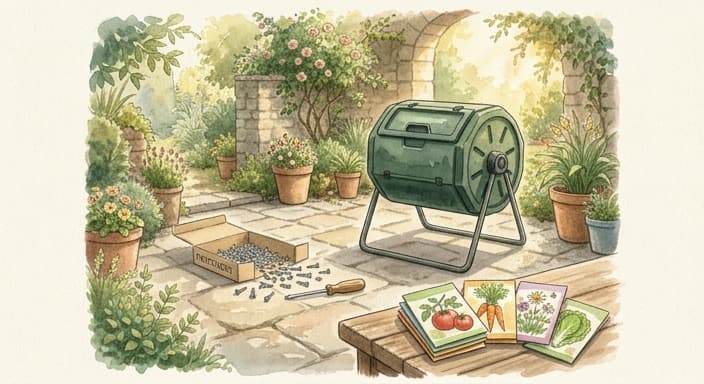
On the lower end, you can pick up a collection of heirloom, non-GMO seed packets from companies like Seed Savers Exchange for under $30. This is the ultimate sustainable gift because it supports biodiversity. Unlike nursery-bought hybrids that don't produce viable seeds, heirloom varieties can be saved year after year, effectively ending the cycle of annual seed purchases. The limitation is that gardening with heirlooms requires a bit more knowledge; they are often less disease-resistant than modern laboratory-bred varieties, meaning the gardener has to be more proactive about pests.
Durability vs. disposability: how to spot the difference
Materials tell the whole story. I always check the rivets and the handle attachments on shovels and trowels. A cheap trowel is usually stamped out of a single sheet of thin aluminum that will bend the moment it hits rocky soil. You want a forged steel head. Brands like Sneeboer offer hand-forged tools in the $50–$90 range. These are virtually indestructible because they don't have the weak points found in mass-produced, stamped metal. The downside is that they are forged by hand, which means the supply is often limited and you might have to wait for restocks.
Avoid anything with a "comfort grip" made of soft, tacky rubber or foam. It feels nice in the store, but that material will turn into a sticky, degrading mess after a few seasons of heat and moisture exposure. It becomes a health hazard and a piece of trash. Stick to solid ash wood handles with a linseed oil finish. If the wood dries out, a light sanding and an oil rub brings it back to life. It’s a bit of maintenance, but it’s worth it to keep the tool out of the bin.
If you have under $30 — Go for a set of high-quality, heirloom seeds or a set of bamboo-fiber seedling trays that can be composted after the season.
If you have $50–$100 — Buy a forged steel hori-hori knife, which serves as a trowel, saw, and measuring tool in one, reducing the need for multiple cheap items.
If you have $150+ — Invest in a modular, high-capacity cedar wood compost bin or a professional-grade steel garden cart, focusing on parts that are repairable rather than replaceable.
Common Questions
🤔
Frequently Asked Questions
What makes a sustainable garden gift truly long-lasting?▼
Look for repairable components, modular design, and materials that resist degradation. Tools with replaceable blades, springs, and nuts stay out of the landfill longer. Forged steel, solid wood handles, and proven brands help ensure the tool remains usable for many seasons with proper maintenance.
Are heirloom seeds always the best sustainable choice?▼
Heirloom seeds promote biodiversity and can be saved year after year, reducing dependence on repeatedly purchased seeds. They do require more gardener knowledge and proactive pest management because they are not necessarily bred for modern disease resistance. For some gardeners, the trade-off is worthwhile because it supports a resilient seed stock.
How can I tell if a garden tool will last?▼
Inspect rivets and handle attachments, and prefer forged steel heads over stamped aluminum. Choose tools with solid ash handles finished with linseed oil and avoid soft rubber grips that degrade in heat and moisture. A well-made tool will show attention to manufacturing details and balance.
Is it worth paying more for durable garden equipment?▼
Yes, higher upfront costs for durable materials like powder-coated steel, HDPE tumblers, or heavy-duty carts often translate into longer life and less waste. While assembly or heavier weight can be a downside, the long-term reliability reduces the need to replace gear after a few seasons. The overall environmental impact tends to improve with longevity.
Explore Related Topics
Browse more gift ideas in the categories this article belongs to.