Blog6/19/2026
Best Eco-Friendly Gifts for Sustainable Living in 2026
5 mins Read
The Briefing
Quick takeaways for the curious
Prioritize durable, practical gifts that stay in use for years instead of quick, greenwashed trinkets.
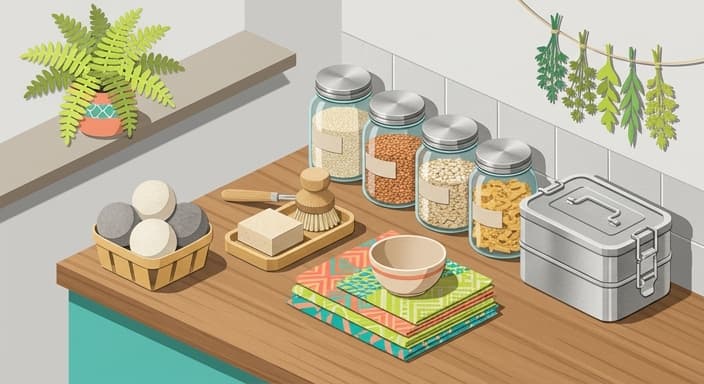
Solid, plastic-free essentials like dish soap bars, wool dryer balls, beeswax wraps, glass storage jars, and stainless steel lunch kits reduce single-use waste.
Each option comes with real-world caveats or maintenance tips, such as keeping dish soap bars dry or hand-washing wraps.
Budget guidance shows meaningful eco gifts span roughly $15 to $60 and can replace multiple disposable items.
A thoughtful gift aligns with daily routines, so consider storage, noise, microwave compatibility, and fragility when selecting.
Last Tuesday, my cousin called me from a hardware store aisle, holding a box of cheap, plastic-encased lightbulbs and asking if they were "actually eco-friendly." He wanted to buy a housewarming gift for a friend who is obsessed with reducing their carbon footprint but has zero patience for anything that doesn't work perfectly. I told him to put the plastic back and start looking for stuff that actually lasts or replaces a dozen single-use things. We aren't looking for "green-washed" cardboard trinkets here. We want gifts that stay in someone’s house for a decade, not a week.
Solid dish soap bars that actually cut grease
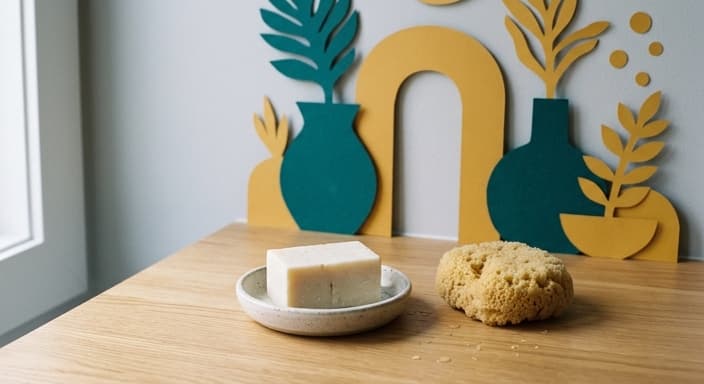
If your friend spends half their life at the kitchen sink, they are likely burning through plastic bottles of detergent every few weeks. A solid dish soap block from brands like No Tox Life or Etee is a total game changer. You just keep it in a small bamboo dish and rub your sponge against it. It cleans better than most liquid soaps because it’s concentrated, not mostly water. Expect to pay around $15 to $20 for a block that lasts as long as four or five plastic bottles. The catch is that you have to keep the block dry. If you leave it sitting in a puddle of water on the counter, it turns into a slimy mess that dissolves in three days.
Wool dryer balls to dump the chemicals
People still buy those scented dryer sheets, which is baffling because they’re essentially single-use pieces of trash coated in synthetic fragrance. A set of high-quality New Zealand wool dryer balls from a company like Smart Sheep will last for over a thousand loads of laundry. They help tumble the clothes, which actually shortens drying time and saves a little electricity. You can grab a set of six for about $20. The trade-off is the noise. If you have a front-loading dryer, these balls sound like a rhythmic, heavy thumping against the metal drum. If you’re sensitive to sound, it can be pretty distracting while you’re trying to watch TV.
Beeswax wraps instead of plastic rolls
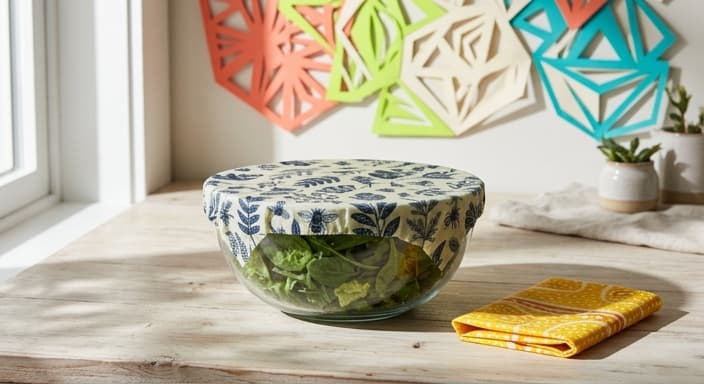
Giving someone a plastic wrap dispenser feels like gifting them trash. Beeswax wraps are cotton cloths infused with wax, resin, and oil that mold to the shape of a bowl or a block of cheese using the heat from your hands. Bee’s Wrap or similar brands cost roughly $18 for a starter pack of three sizes. They are great for leftovers and keep greens surprisingly crisp. What might bug you is the cleaning process. You cannot use hot water or a dishwasher, or the wax will melt right off. You have to hand-wash them with cold water and mild soap, which is a bit of a chore after a busy dinner.
Glass storage jars that look better than cardboard
Most people buy dry goods in bulky cardboard or thin plastic that tears the second you open it. Giving a set of high-quality glass canisters, like the ones from Anchor Hocking or Weck, allows your recipient to buy in bulk. It looks like a high-end kitchen setup, but it’s really just a way to stop throwing away plastic bags. A set of four decent glass jars will run you about $40 to $60. The downside is the weight and the fragility. If your friend lives in a tiny walk-up apartment or has a habit of dropping things, glass isn't exactly forgiving. If one hits the floor, you’re sweeping up shards, not just wiping up a spill.
Stainless steel lunch kits for the commute
If your friend packs a lunch every day, they are likely dealing with either leaks from cheap plastic containers or piles of paper napkins. A leak-proof stainless steel container, like those from ECOlunchbox, is the gold standard. They are basically indestructible and won't hold onto food smells like plastic can. You can find a solid, modular two-tier set for around $35 to $45. The trade-off here is the microwave issue. You cannot put these in the microwave. If your friend works in an office where they need to reheat leftovers, they will have to dump their food onto a plate first, which defeats the point of the convenient "all-in-one" container.
Heavy-duty Swedish dishcloths
These are the unsung heroes of a low-waste kitchen. They look like a stiff piece of cardboard when dry, but they become soft and absorbent once you wet them. One cloth replaces about 15 rolls of paper towels. You can find a pack of ten for roughly $25. They are machine washable and compostable when they finally fall apart after six months of scrubbing. The limitation is the "new" smell. Some brands have a slightly weird, earthy scent when you first pull them out of the package. It fades after one wash, but it’s definitely something to mention to the person receiving the gift so they don't think you gave them something funky.
If I had to buy just one thing, I’d go with the solid dish soap blocks every single time. It’s the one gift that forces a habit change without being annoying. It takes up almost zero space, the price point of $15-20 is low enough that you don't feel like you’re over-investing in a stranger's lifestyle, and the immediate impact on their kitchen trash pile is obvious. Just remind them to buy a little bamboo soap tray so the thing doesn't melt, and you’re golden.
Common Questions
🤔
Frequently Asked Questions
Why should I choose solid dish soap bars over liquid cleaners?▼
Solid dish soap bars cut plastic waste since they come in minimal packaging and are highly concentrated. They tend to last longer than liquid soaps, delivering better value per use. They require a dry storage spot to prevent softening, which is a quick maintenance note. For a typical household, a single bar can replace multiple plastic bottles over its lifetime, making it a practical, durable gift.
What are the pros and cons of wool dryer balls as a gift?▼
Pros: they replace single-use dryer sheets and help clothes tumble more efficiently, potentially shortening drying time and saving energy. They are durable and cost around $20 for a set of six, lasting for thousands of loads. The trade-off is that they can be noisy in front-loading machines, which may be distracting for some households.
Are beeswax wraps a practical replacement for plastic wrap?▼
Beeswax wraps replace plastic wrap in many uses and help keep greens crisp; they are reusable and can last a long time with proper care. They must be hand-washed with cold water and mild soap and cannot withstand hot water or dishwashers, which is an ongoing maintenance consideration. A starter pack typically costs around $18 for three sizes. The cleaning process can be a minor chore after busy meals.
What should I know about glass jars and stainless steel lunch kits?▼
Glass storage jars look high-end and encourage bulk buying, but they are heavy and fragile, making them less ideal for small spaces or accident-prone homes. Stainless steel lunch kits are durable and leak-proof but cannot be microwaved, which matters for some office or dorm setups. Glass jars for a four-pack run roughly $40–$60, while a solid stainless lunch set sits around $35–$45. These trade-offs help you tailor a gift to the recipient’s lifestyle.
Explore Related Topics
Browse more gift ideas in the categories this article belongs to.