Blog6/22/2026
Best Eco-Friendly Kitchen Gifts for Foodies and Home Chefs
4 mins Read
The Briefing
Quick takeaways for the curious
Practical gifts that actually improve workflow trump flashy eco-gadgets in most kitchens.
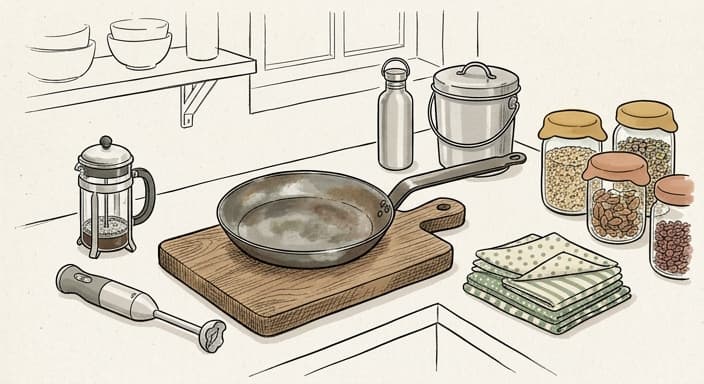
A carbon-steel pan from brands like Misen or Made In offers durability, lighter weight, and develops a natural patina without harmful coatings.
Decorative eco-elements like beeswax wraps or hand-carved boards can be attractive but require upkeep and aren't permanent solutions.
For splurge items, choose gear designed for repair and longevity, such as high-quality immersion blenders or coffee presses.
Budget-friendly, lasting options like glass food containers with silicone lids provide real value, while flimsy bamboo utensil sets should be avoided.
The classic kitchen eco-dilemma is simple: do you buy the high-tech gadget that saves you five seconds, or do you stick to the heirloom tool that lasts fifty years? You’re weighing the allure of a battery-powered food waste recycler against the soul-crushing reliability of a heavy-duty stainless steel compost bin.
Practical or sentimental — which lands better?
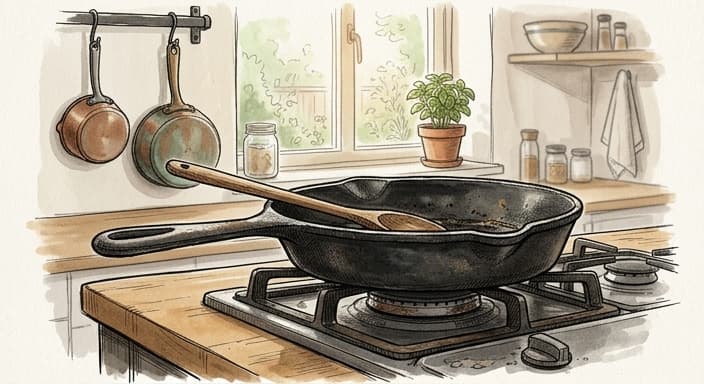
If you are buying for a home chef who treats their kitchen like a laboratory, skip the kitschy hemp dishcloths and go for hardware that actually changes their workflow. The Goldilocks zone here is the carbon-steel pan, specifically something like the Misen or Made In brand. These are lighter than cast iron but develop that non-stick patina over time without needing a chemical coating that flakes off into your eggs. It is a workhorse. It feels substantial in the hand, and it signals that you respect their hobby. Around $85, it is a serious commitment, but it replaces a half-dozen Teflon pans that would have hit the landfill by 2026. The catch is the maintenance—if they leave it soaking in the sink, it will rust, and they will look at you like you’ve personally insulted their ancestors.
On the other end of the spectrum is the sentimental route: the hand-carved olive wood cutting board or the bees-wax food wraps. Look, these look incredible on Instagram, and they make great host gifts. Brands like Bee’s Wrap are fine for keeping an onion half fresh, but if you’re gifting these, manage expectations. They lose their stickiness after a few months of heavy use. You’re paying about $20 for a pack, which is cheap enough that it’s not a tragedy when they inevitably end up in the bin, but don't pretend they’re a permanent solution. They’re a stopgap that looks nice. The friction is that they require hand-washing in cool water only; put them in the dishwasher, and you’ve essentially just turned your expensive wrap into a puddle of sticky wax.
Splurge vs. budget: where does the extra money actually go?
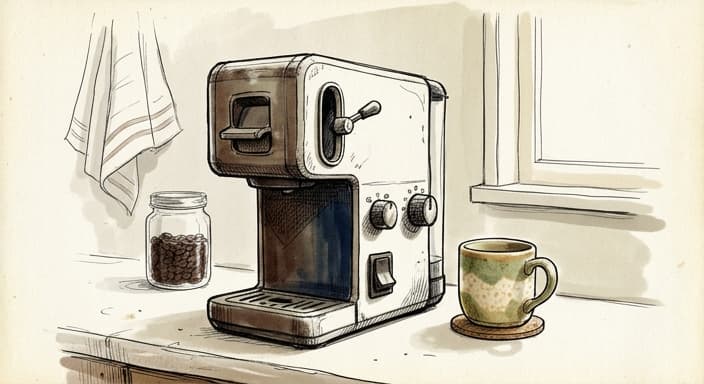
When you spend north of $150 on kitchen gear, you are usually paying for engineering, not just marketing. Take the Vitamix immersion blender or a high-end French press like the ESPRO P7. These items are built to be repaired, not replaced. The ESPRO, which retails around $120, has a double-micro-filter system that makes a better cup of coffee than any plastic Keurig pod machine ever could. It is built like a tank. You could drop it off a kitchen counter, and it would probably just dent the floor. The downside? It is a nightmare to clean the internal seals if you let the coffee grounds sit for too long. You will spend five minutes scrubbing components with a tiny brush, and you will hate yourself for being so lazy on a Sunday morning.
If you only have $40 to play with, you have to prioritize longevity over complexity. My go-to cheap eco-gift is the glass storage set—specifically the Pyrex or Anchor Hocking containers with the silicone lids. Plastic storage containers turn yellow and smell like the chili you made three years ago; glass lasts a lifetime and goes from the fridge to the oven to the dishwasher without a peep. You can snag a decent starter set for about $35. The trade-off is the weight; if you have a friend who is constantly packing lunches for the subway or office, the glass is going to feel like a literal anchor in their bag. Also, if they have kids who like to play "floor is lava" with their dinnerware, the lids are sturdy, but the glass will definitely shatter if it hits a tile floor.
There is one thing I’d avoid at all costs: the "eco-friendly" bamboo utensil sets that come in those flimsy, cheap-looking cloth pouches. You know the ones. They’re usually sold at impulse-buy displays near the checkout. They always feel like they were carved by a machine in a basement, and the wood starts to fray or split after two uses. It’s the kitchen equivalent of fast fashion. Stick to a single, high-quality wooden spoon from a maker like Earlywood. At $15, it feels solid, doesn't splinter, and actually improves your ability to stir a risotto. It’s a small gift, but it’s a permanent one.
If you have under $30 — Go for a set of glass storage containers; they survive the dishwasher and save you from the plastic-tainted-leftovers cycle.
If you have $50–$100 — Buy a high-quality carbon steel skillet; it’s the last pan they’ll ever need to buy if they treat it right.
If you have over $150 — Invest in a high-end French press or a heavy-duty food mill; these are repairable, built-to-last machines that justify every penny.
The best eco-friendly gifts are the ones that don't look like an "eco-friendly gift." Nobody wants a lecture on sustainability; they want a tool that makes cooking easier and lasts long enough to become a permanent fixture on their counter. If it doesn't solve a problem, it’s just clutter, no matter how green the packaging is.
Common Questions
🤔
Frequently Asked Questions
How should I balance practicality and sentiment when choosing eco-friendly kitchen gifts?▼
Balance comes from understanding the recipient's cooking habits and preferences. Practical gear that actually changes their workflow tends to be valued longer than purely decorative items. The article suggests leaning into durable, repairable essentials like carbon-steel pans rather than disposable gadgets. If you add something sentimental, pair it with a solid, useful core gift to avoid misalignment.
Which specific items does the article recommend as durable eco-friendly gifts?▼
The article highlights carbon-steel pans from brands like Misen or Made In as durable, lighter alternatives to cast iron. It also recommends glass storage sets from Pyrex or Anchor Hocking with silicone lids for longevity. For higher-end help in the kitchen, consider tools like a Vitamix immersion blender or the ESPRO P7 French press, which are built to be repaired and last longer than cheaper equivalents. These choices emphasize long-term value over trendiness.
Are there any eco-friendly kitchen gifts you should avoid?▼
Yes. The piece warns against flimsy bamboo utensil sets in inexpensive pouches, which can fray and split after only a few uses. They often feel like fast fashion and don't deliver lasting value. They also risk underperforming in the kitchen and misrepresenting 'eco' claims. Instead, opt for sturdier, proven items that age well with care.
How can I maximize a gift's usefulness for a foodie without increasing waste?▼
Pair practical gear with clear examples of how it reduces waste or saves time. Include brief care tips to extend life (hand-washing beeswax wraps, avoiding dishwasher for wooden boards, drying glass containers). Set expectations about maintenance—some eco gifts require more attention but offer longer lifespans. This approach helps a foodie see the environmental and functional benefits together.
Explore Related Topics
Browse more gift ideas in the categories this article belongs to.