Blog6/23/2026
Best Sustainable Kitchen Upgrades for Home Cooks Today
4 mins Read
The Briefing
Quick takeaways for the curious
Practical upgrades grounded in material integrity beat trendy options, especially in high-heat kitchens where seasoned carbon steel pans outperform ceramic coatings and improve with use.
Heirloom linen textiles offer substantial, repairable value that bridges utility and sentiment, but they trade some absorbency and bulk for a longer life and a lower environmental footprint.
Investing in a professional-grade end-grain cutting board protects knife blades for decades, though it adds weight and requires a disciplined drying routine to prevent warping.
Glass and stainless steel containers provide inert storage and freezer-to-oven versatility, but they are heavy and can break, so avoid cheap plastics that scratch and crack.
Sustainability in the kitchen is driven more by behavior than inventories—prioritizing durable tools like cast iron, glass, and natural fibers helps slow consumption and aligns cooking with a calmer, longer-lasting routine.
Most home cooks struggle to decide between investing in heirloom equipment that lasts a lifetime or rotating affordable basics that don’t demand precious storage space. You want to cook cleaner, but the market is flooded with synthetic "eco-friendly" options that rarely survive a single year in a high-heat kitchen.
Practical or sentimental — which lands better?
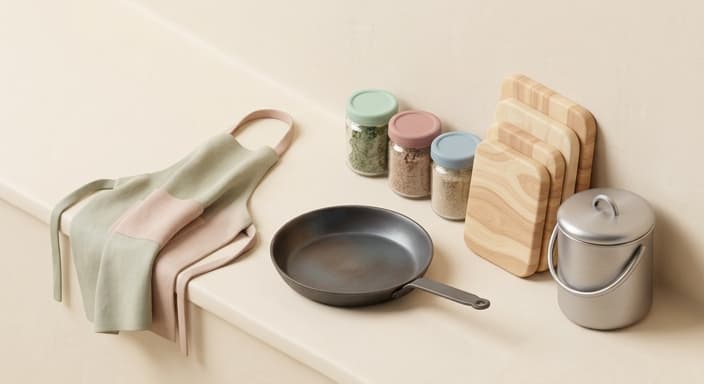
Practicality in the kitchen usually wins because it focuses on material integrity rather than aesthetics. If you want a lifetime surface, skip the trendy ceramic-coated pans that lose their non-stick properties after eighteen months. Instead, buy a seasoned carbon steel skillet. Brands like Made In or De Buyer offer pans that actually get better as they age. They are thin enough to handle easily, yet they retain heat like iron. A solid 10-inch carbon steel pan costs between $60 and $90. The catch is that you cannot throw these in the dishwasher; they require a quick hand-wash and a wipe of oil, or they will develop surface rust.
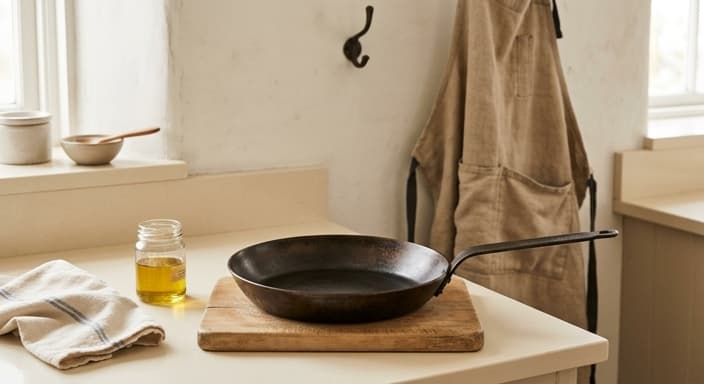
If you prefer something sentimental that bridges the gap between utility and heirloom status, look at linen kitchen textiles. A heavy-weight linen apron or a set of tea towels from a heritage brand like Fog Linen Work feels substantial and improves with every wash. These items are meant to be repaired, not replaced, and they cost around $30 to $50. The trade-off is that linen is not as absorbent as thick terry cloth; it takes a few cycles of washing to reach its peak utility, and you might find the material feels too thin if you are used to bulky, synthetic-blend rags.
Splurge vs. budget: where does the extra money actually go?
When you spend $200 on a high-end, solid-wood cutting board from a maker like John Boos, you aren't paying for a logo. You are paying for end-grain construction that protects your knife blades. Soft, cheap plastic boards dull your knives and harbor bacteria in deep gouges. A professional-grade maple end-grain board lasts decades if oiled regularly, though it is quite heavy and requires dedicated counter space. The downside is that they are prone to warping if left in a puddle of water, so they require a disciplined drying routine that might frustrate a busy cook.
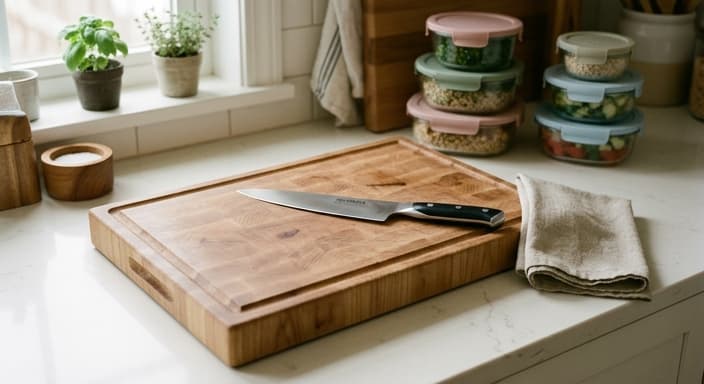
On the lower end of the spectrum, consider a glass or stainless steel food storage set. You can find solid glass containers with silicone lids for around $40 to $60 for a set. These replace the cycle of buying and discarding thin plastic tubs. Glass is inert, meaning it won't leach chemicals or hold onto onion smells, and it handles the freezer as well as the oven. The limitation is weight and breakability; they are heavy to stack in a bag for lunch, and if you drop one on a tile floor, it will shatter. Avoid those cheap, clear plastic containers that claim to be BPA-free; they scratch easily and eventually crack, leading back to the same cycle of waste you were trying to escape.
Maintenance or convenience: what is the true cost of "green"?
The best sustainable upgrade is often the one that changes your behavior rather than your inventory. Compost bins that sit on the counter are a great example of this shift. A simple, ventilated stainless steel pail costs between $25 and $45 and effectively manages kitchen scraps without attracting fruit flies or odors. It is a one-time purchase that eliminates the need for expensive plastic liners or specialized proprietary composting bags. The trade-off is the manual labor involved; you have to physically empty it into your outdoor pile or community bin, which is a habit that takes some time to build compared to just tossing everything into a single trash can.
Sustainability in the kitchen is fundamentally about slowing down. If you choose to upgrade your primary tools, prioritize cast iron, glass, and natural fibers. These materials survive the heat and the scrub brush. They also age alongside your cooking style. Avoid anything labeled "eco-friendly" that uses a proprietary chemical coating to simulate non-stick performance, as these items are essentially just disguised disposables.
If you have under $30 — pick up a set of heavy-weight natural linen tea towels for daily drying and cleaning.
If you have $60–$100 — invest in a single 10-inch carbon steel skillet that will replace your cheap, peeling non-stick pans.
If you have $150–$200 — secure an end-grain maple cutting board to preserve your knives and serve as a permanent workspace.
Common Questions
🤔
Frequently Asked Questions
What are the best long-lasting upgrades for a high-heat kitchen?▼
In high-heat environments, avoid trendy ceramic-coated pans that lose non-stick properties quickly and instead opt for seasoned carbon steel skillets from brands like Made In or De Buyer. These pans heat evenly, gain performance with use, and are relatively affordable, though they require hand-washing and a light oil wipe to prevent rust. A typical 10-inch pan costs about $60 to $90 and becomes easier to handle as it ages.
Are there affordable sustainable options that perform well?▼
Yes. For storage, solid glass containers with silicone lids range from about $40 to $60 for a set and avoid leaching chemicals or onion smells. They handle the freezer and oven, unlike cheap plastics that stain, crack, or harbor bacteria. The trade-offs are heavier weight and potential breakage, so handle with care.
Should I invest in heirloom items like linen textiles?▼
Linen textiles such as a heavyweight linen apron or towels from a heritage brand offer repairable, durable appeal that ages with you and can cost around $30 to $50. They’re not as absorbent as thick terry cloth and take a few washes to peak in performance, but they reward careful use and repair rather than replacement.
How can I make sustainable choices without sacrificing convenience?▼
Aim for upgrades that change behavior as much as inventory. For example, a counter-side compost bin (stainless steel, $25–$45) makes kitchen scraps easier to manage than disposable liners, but it requires emptying into an outdoor pile or community bin. Beyond that, choose durable tools like cast iron, glass, and natural fibers that survive heat and scrubbing, and slow down the kitchen routine to reduce impulse purchases.
Explore Related Topics
Browse more gift ideas in the categories this article belongs to.