Blog6/22/2026
Top Sustainable Kitchen Gifts for Eco-Friendly Home Cooks 2026
6 mins Read

The Briefing
Quick takeaways for the curious
Sustainable kitchen gifts can quickly cross into greenwashing; prioritize genuine utility and durability over aesthetics.
Silicone food bags are a strong replacement for disposable plastic bags, and they’re safe to freeze, boil, and microwave, but they can be tedious to dry and air out.
Glass storage jars with bamboo lids are durable and pantry-friendly, yet the rubber gaskets can dry out or loosen, potentially affecting airtightness over time.
High-quality wooden utensils offer long-lasting performance and avoid microplastics, but they’re not dishwasher safe and require periodic oiling.
Upgrading to a replaceable-head dish brush and a stainless steel compost bin with a charcoal filter helps reduce waste and odors, though expect maintenance and pricing in the mid-range.
Sustainable kitchen gifts are a minefield of greenwashing and overpriced bamboo scrap that breaks the second you touch it. Most "eco-friendly" gear is either an aesthetic nightmare that doesn't actually work or a functional piece of plastic disguised as a green revolution.
How do I upgrade their storage without buying more plastic?
The secret isn’t buying a massive matching set of glass containers—it’s finding things that don't warp in the dishwasher or hold the lingering scent of last night’s curry. If you want to drop some serious utility, go for a set of Stasher bags or similar platinum silicone pouches, which usually run around $12 to $25 per bag. They replace the endless roll of Ziploc bags that haunt every junk drawer in America. You can toss them in the freezer, boil them, or stick them in the microwave without worrying about leaching chemicals into your leftovers.
The catch is that they are an absolute pain to dry if you don't have a dedicated rack or a wide-mouth bottle brush. They love to hold onto water droplets inside the corners, meaning you have to prop them open with a butter knife or a clean spoon to get them fully aired out. It’s a tiny bit of extra maintenance, but it beats tossing plastic film into the trash every single day.
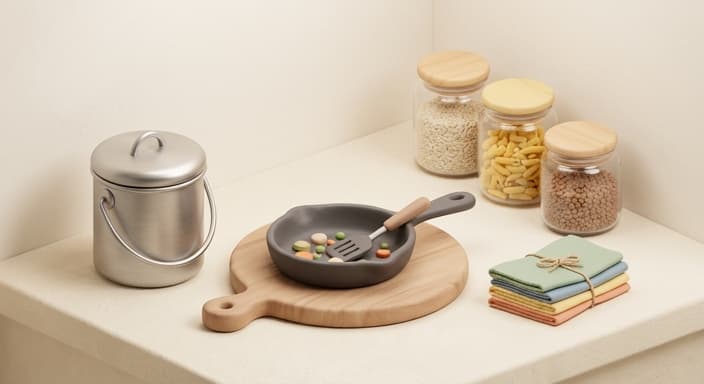
For a more permanent countertop solution, look at glass jars with bamboo lids, like the ones from Anchor Hocking or similar generic brands, which cost around $8 to $15 per unit. These are the gold standard for pantry organization because they don't stain, they stack decently well, and they look like you have your life together even if you’re just storing bulk-bin dry beans. The tradeoff here is the lid seal; over time, the rubber gaskets can dry out or loosen up, making them less airtight than their plastic counterparts. If you’re storing things that need to stay crispy, keep that in mind before filling a jar with fancy crackers.
What actually works better than the cheap stuff?
Stop buying the five-dollar nylon turners that melt the second they touch a hot pan. Instead, look into a proper wooden spatula or turner made from cherry or olive wood. Brands like Earlywood or even high-quality artisanal pieces you find at craft fairs range from $15 to $35, and they will outlast your entire kitchen cabinet. They don't scrape your expensive non-stick pans, and they don't leach microplastics into your stir-fry. My personal preference is olive wood because the grain is so tight it resists odors and stains better than softer woods.
The downside? These are not dishwasher safe. If you put them in the heat cycle, they will crack and splinter faster than a celebrity marriage. You have to hand-wash them and give them a quick rub with mineral oil every few months to keep them from drying out. It’s an extra step, but honestly, it’s a nice way to pause and appreciate your gear for a second.

For heavy-duty scrubbing, move away from those neon-colored plastic sponges that essentially deposit microplastics into your drain every time you scrub a plate. A stiff-bristled dish brush with a replaceable head, typically priced between $8 and $15, is a massive upgrade. You can find nice ones with a wooden handle and agave or boar bristles that really dig into stuck-on bits. The limitation is that they aren't great for delicate glassware—the bristles are tough and can leave tiny scratches on crystal or fine wine glasses. For those, you’re still better off with a soft cloth or a natural cellulose sponge.
Which gadgets are actually worth the counter space?
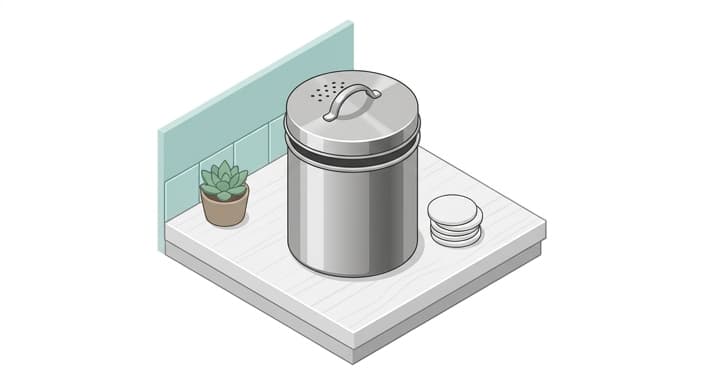
A high-quality stainless steel compost bin is the best way to handle food scraps without turning your kitchen into a fruit fly habitat. You want one with a charcoal filter in the lid, which keeps the smell locked down tight; expect to pay between $30 and $60 for a decent model. It’s a clean, industrial look that sits right on the counter and makes it way more likely that you’ll actually bother to separate your scraps instead of just shoving them down the disposal.
The friction here is the filter replacement. Most of these models require you to buy proprietary charcoal filters every three to six months, which adds a recurring cost of about $10. It’s not a dealbreaker, but it’s a constant reminder that even "zero-waste" items sometimes come with a subscription-style leash. If you don't mind the recurring cost, the convenience factor makes it worth the footprint.
Another winner is a set of high-quality stainless steel mixing bowls with lids, running anywhere from $35 to $70 depending on the piece count. These replace a dozen plastic bowls and can double as storage containers. Unlike plastic, they don't hold grease or odors, and they’re indestructible unless you go at them with a sledgehammer. The trade-off is the noise—when you’re whisking aggressively, these things ring like a bell. If you live in a thin-walled apartment and like to bake at 11 PM, your neighbors are going to hear every single beat of that cake batter.
What about things for the coffee or tea obsessive?
If you’re shopping for a caffeine addict, a stainless steel reusable coffee filter—the kind that drops right into a standard drip machine or a pour-over cone—is a game changer. You can find these for $10 to $20, and they eliminate the need for those bleached paper filters that are just another thing to restock. The coffee tastes better, too, because the metal mesh lets the natural oils pass through instead of getting soaked up by the paper.
The catch is the cleaning process. Because the mesh is fine enough to filter grounds, it can be a headache to rinse out perfectly clean. If you aren't thorough, the old grounds get stuck in the weave and can make your next cup taste bitter and dusty. It’s a five-second fix, but it’s a mandatory five seconds every single time you brew a pot.
Red flags to skip
- "Sustainable" bamboo fiber plates that feel like melamine; they are usually bonded with melamine resin and aren't recyclable.
- Anything marketed as "biodegradable plastic" that isn't certified for industrial composting—most of it just breaks down into smaller, equally bad plastic bits.
- Cheap multi-packs of "eco" sponges that arrive wrapped in four layers of individual plastic shrink wrap.
- Unfinished raw wood cutting boards sold without a care-and-maintenance instruction card; these will warp or crack within three weeks of heavy use.
- Novelty kitchen gadgets made of silicone that are shaped like animals or flowers; they’re almost always flimsy and impossible to clean thoroughly.
Shopping for the sustainable home cook doesn't have to be a chore if you focus on utility over marketing. Prioritize stainless steel, glass, and wood over "green" branded polymers, and you’ll end up with a kitchen kit that actually lasts long enough to save you money in the long run. Just make sure you’re ready to put in the hand-washing time.
Common Questions
🤔
Frequently Asked Questions
How can I tell if a kitchen gift is truly sustainable and not just greenwashed?▼
Look for durability, repairability, and materials with minimal environmental impact rather than trendy branding. Estimate the item’s lifetime and compare to cheaper, disposable options to determine true value per year. Favor items that replace single-use products and can be repaired or refreshed instead of discarded.
Are silicone bags safe for everyday use and do they really replace disposable bags?▼
Silicone bags are designed for repeated use and can be used in the freezer, boiled, and microwaved without leaching chemicals, per the article. They’ll drastically cut plastic waste, but they can be stubborn to dry completely, especially in corners. Plan for a proper drying rack or brush to keep them clean and odor-free.
What should I know about glass jars with bamboo lids as pantry storage?▼
Glass jars are durable, stain-resistant, and look organized in the kitchen. The main drawback is that the lid gaskets can dry out or loosen over time, reducing airtightness. They’re a solid choice for dry bulk items, but you may need to monitor the seal for longevity.
Are wooden utensils and brushes worth the extra care?▼
Yes for many cooks: wooden utensils last longer and don’t shed microplastics, and sturdy brushes improve scrubbing without damaging cookware. They aren’t dishwasher safe and require hand-washing plus occasional mineral oil to prevent drying and cracking. The extra maintenance pays off in durability and performance over time.
Explore Related Topics
Browse more gift ideas in the categories this article belongs to.