Blog6/24/2026
Best Sustainable Kitchen Gift Ideas for Eco-Friendly Cooks
5 mins Read

The Briefing
Quick takeaways for the curious
Prioritize durability and long-term value over trendy green branding when selecting sustainable kitchen gifts.
For serious home cooks, invest in high-quality glass storage and carbon steel skillets that outlast plastic and deliver lasting performance.
Seek materials that age well and avoid greenwashing by favoring natural textiles like 100% flax linen towels and functional options like beeswax wraps.
In small kitchens, choose space-saving, multi-use tools such as Japanese mandolines, microplanes, and nesting bowls to reclaim counter space.
Even under a tight budget, opt for consumables and reusable items—think bulk dish soap bars and Swedish dishcloths—that cut waste without clutter.
Shopping for eco-friendly kitchen gear is a minefield because "sustainable" has become the world’s most abused marketing buzzword. It’s hard to tell the difference between a genuinely durable heirloom tool and a cheap bamboo-covered gadget destined for a landfill in six months.
What is actually worth the money for someone who cooks every night?
If you want to buy for a home cook who spends their life in the kitchen, focus on high-quality materials that outlast their plastic counterparts. A set of high-end glass storage containers, like those from Glasslock or Anchor Hocking, is a massive step up from stained plastic tubs. Expect to pay between $30 and $60 for a decent starter set. They handle the dishwasher without warping and don't hold onto that weird spaghetti sauce smell. The trade-off is that they are heavy and breakable if you drop them on a tile floor.

Another absolute winner is a high-quality carbon steel skillet, like a De Buyer or a Matfer Bourget. They hit the sweet spot between cast iron and stainless steel, usually costing $50 to $90. Once you season them, they become essentially non-stick, and they will literally last for generations. The catch is that you cannot throw them in the dishwasher, and they require a tiny bit of love—like drying them immediately after washing—to prevent rust. It’s a bit of maintenance, but the performance is worth the trade-off.
How do I find gifts that look nice but aren't just greenwashing junk?
The key is looking for materials that age well instead of just looking like a piece of plastic painted to look like wood. Look for linen kitchen towels, specifically 100% flax linen. Brands like Rough Linen or various sellers on Etsy make these, usually retailing for $20 to $40 for a set of two. They are incredibly absorbent, dry way faster than cotton, and look better the more you beat them up. The limitation is that they are prone to wrinkling if you don't fold them straight out of the dryer, so they aren't for the perfectionist who hates a casual look.
I’m also a big fan of beeswax food wraps, such as those made by Bee’s Wrap. A variety pack usually runs you around $15 to $25. They replace plastic cling wrap entirely and can be washed and reused for about a year. They are fantastic for covering a half-cut onion or a bowl of leftovers. What might bug you is that they don't have that "tacky" grip of plastic wrap, so you have to use the heat of your hands to mold them around the edges of a bowl. They also don't work well with raw meat, which is a major hygiene limitation to keep in mind.
What should I buy for the person who has a tiny apartment kitchen?
Space is the ultimate luxury in a small kitchen, so focus on tools that do double duty. A high-quality Japanese mandoline or a sturdy microplane zester is a lifesaver. You can pick up a professional-grade microplane for under $20, and it lives in a drawer while replacing a clunky box grater. It makes quick work of garlic, ginger, and hard cheeses. The friction here is that the blades are razor-sharp, and you really need to use the little guard unless you want to lose a piece of your knuckle.
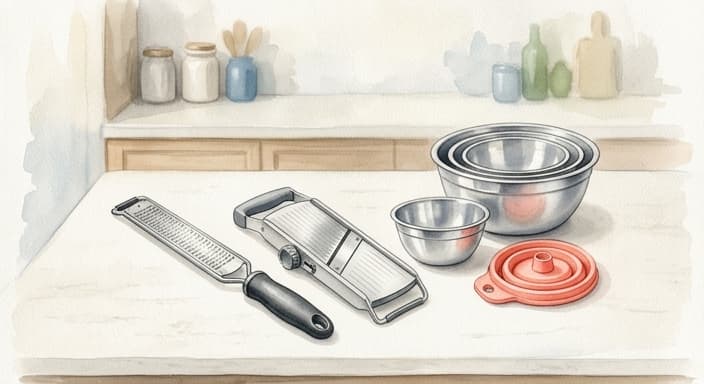
Another space-saver is a silicone collapsible funnel or a set of nesting stainless steel mixing bowls. You can find a set of high-quality, non-slip base bowls for $40 to $70. They take up the footprint of one bowl but give you three or four different sizes to work with. The downside is that nesting sets can sometimes get stuck together if they are slightly wet when you stack them, leading to a frustrating minute of pulling them apart. It’s a small price to pay for having actual counter space back.
Are there any low-budget gift ideas that actually hold up?
If you are spending under $25, skip the gadgets and go for consumables that help the planet. High-quality bulk dish soap bars or Swedish dishcloths are incredibly practical. A pack of five or six Swedish dishcloths usually costs around $10 to $15. They replace paper towels for wiping down counters and can be thrown in the washing machine dozens of times before they start to fall apart. The catch is that they start to feel a bit stiff when they dry out, so you have to wet them before you can use them properly.
Another great sub-$30 pick is a stainless steel compost bin. Look for one with a charcoal filter in the lid to keep the smells contained. You can find a sleek, countertop-sized one for $25 to $40. It keeps food scraps off the counter and encourages composting without looking like a trash heap. The limitation is that you have to be consistent about changing that charcoal filter every few months, or the smell will eventually sneak through. If your gift recipient isn't diligent with maintenance, it’s going to become an eyesore pretty quickly.
Red flags to skip
- "Bamboo" kitchen utensils that have a thin, cheap chemical-smelling clear coat.
- Anything sold in a "12-piece eco-set" for under $20; the plastic is almost certainly thin and brittle.
- Ceramic non-stick pans that promise a "lifetime" of use; they usually lose their slickness within 18 months.
- Novelty reusable bags that are made of such thin fabric they tear on the first trip to the grocery store.
- Anything marketed as "compostable" that is actually a single-use paper product intended for fancy parties.
Don't overthink it. When you’re shopping for someone who wants to be more sustainable, they usually just want stuff that works well enough to stop them from buying the disposable version again. Prioritize heavy materials, simple designs, and items that aren't trying to do too many things at once. If you see a product that claims it’s "magical" or "the last X you'll ever need" at a price point that seems too low to be true, your gut is right—walk away and look for something that feels like it has some actual weight behind it.
Common Questions
🤔
Frequently Asked Questions
What should you buy for a serious home cook?▼
For someone who spends a lot of time in the kitchen, prioritize durable materials that outlast plastic. Glass storage containers from brands like Glasslock or Anchor Hocking offer dishwasher-safe, odor-resistant storage, typically $30–$60 for a starter set. A high-quality carbon steel skillet (De Buyer or Matfer Bourget) costs about $50–$90 and, once seasoned, behaves almost non-stick and can last generations. The trade-off is care: they’re not dishwasher-safe and require drying after washing to prevent rust.
How can you avoid greenwashing and pick gifts that age well?▼
To avoid greenwashing, prioritize materials that actually age well rather than those that merely look eco-friendly. 100% flax linen towels (e.g., Rough Linen or Etsy sellers) usually sell in sets around $20–$40 and improve with use, while beating cotton on absorption and drying speed. Beeswax wraps (about $15–$25 per variety pack) replace plastic wrap and can be reused for roughly a year, but they require the warmth of your hands to mold and don’t work well with raw meat. These choices emphasize function and longevity over flashy aesthetics.
What are smart picks for tiny apartments?▼
In small kitchens, prioritize tools that do double duty and reclaim counter space. A high-quality Japanese mandoline or a sturdy microplane zester can replace a bulky grater, with microplanes often under $20 and compact enough to live in a drawer. Space-saving options like silicone collapsible funnels or nesting stainless steel bowls maximize functionality without crowding shelves; a good nesting set runs about $40–$70. The caveat is careful handling of sharp blades and potential nesting snag when wet.
What are effective low-budget gift ideas under $25?▼
Under $25, skip gadgets and focus on sustainable consumables that still make a difference. Bulk dish soap bars and Swedish dishcloths are practical, reusable, and widely useful in any kitchen. They reduce single-use waste while staying affordable. This approach shows thoughtfulness and minimizes clutter.
Explore Related Topics
Browse more gift ideas in the categories this article belongs to.