
Blog3/4/2026
Portable Retro Gaming Setup: Nostalgic Play on the Go
9 mins Read

The Briefing
Quick takeaways for the curious
The portable retro gaming setup marks a shift from disposable graphics to aesthetic permanence, centering on a curated, pocket-sized ecosystem that renders classic games with tactile joy.
By combining 8-bit and 16-bit game design with modern, high-resolution portable displays, it preserves the original art language while delivering contemporary ergonomics.
"Comfort Gaming" provides a cognitive sanctuary from endless scrolling and microtransactions, offering finite, masterful experiences that reduce stress and decision fatigue.
The market for retro gaming hardware and software is expanding toward a $15 billion trajectory by 2030, driven by millennials seeking physical-feeling digital experiences and nostalgia.
This movement prioritizes portability, tangible hardware, and the friction of retro interfaces, treating the 80s and 90s design vocabulary as living culture rather than mere relics.
Pixels and Portability: The Renaissance of the Portable Retro Gaming Setup
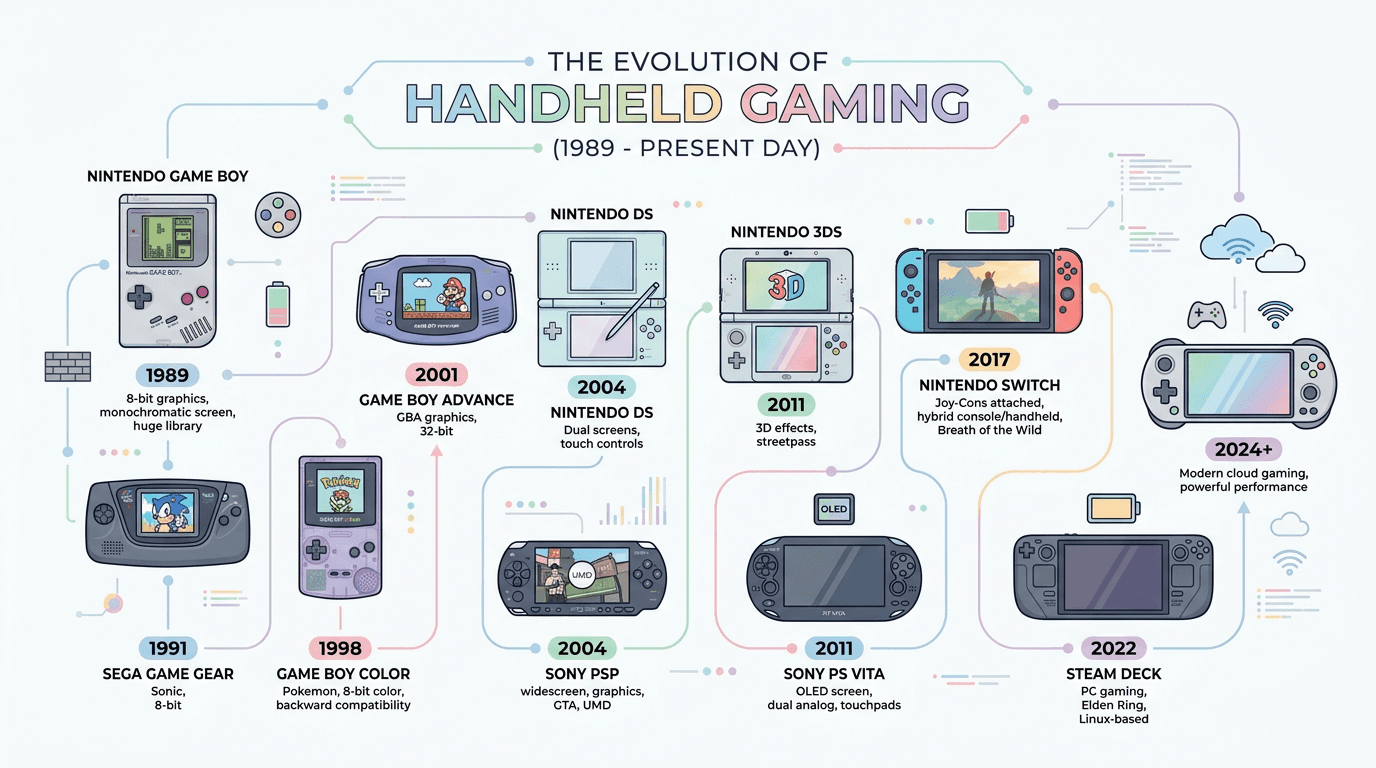
We are currently witnessing a digital homecoming, a profound cultural pivot where the bleeding edge of technology is being used to resurrect the ghosts of our collective childhoods. For years, the gaming industry was defined by a relentless, linear march toward hyper-realism—more polygons, higher frame rates, and increasingly complex mechanics that demanded our total sensory surrender. But the tide has turned. We are moving away from the era of "disposable graphics" and into an era of "aesthetic permanence." The rise of the portable retro gaming setup represents more than just a hobby; it is a sophisticated reclamation of tactile joy in an increasingly ephemeral digital world. It is no longer about having the most powerful machine in the room; it is about cultivating a curated, pocket-sized ecosystem that honors the 8-bit and 16-bit masterpieces of the past while utilizing the ergonomic and display breakthroughs of the present. This is the new "Golden Age" of gaming—a time when a device no larger than a smartphone can hold the entire history of an industry, allowing us to carry decades of creative genius in the palm of our hands.
The Physics of Nostalgia: Why We Are Returning to the 16-Bit Era
To understand the explosion of the retro handheld market, we must first examine the psychological concept of "Comfort Gaming." In a world of infinite scrolling and high-stakes social media, the discrete, self-contained nature of a retro game provides a unique cognitive sanctuary. Unlike modern "Games as a Service" (GaaS) that demand daily logins and microtransactions, a classic title from the SNES or PlayStation 1 era offers a finite, masterful experience. Research into the psychology of play suggests that the clear constraints and predictable logic of retro games can lower cortisol levels and provide a sense of agency that "open-world fatigue" often erodes.
Furthermore, the retro gaming market is no longer a niche subculture. According to market analysis reports, the global retro gaming market is projected to reach a valuation of over $15 billion by 2030, driven largely by the millennial demographic’s increasing purchasing power and a desire for physical-feeling digital experiences. This isn't just about reliving the past; it’s about "Digital Preservation through Play." By moving these games from aging, decaying hardware onto modern, high-resolution portable screens, we are ensuring that the design language of the 80s and 90s remains a living, breathing part of our cultural fabric.
"The magic of retro gaming isn't just in the pixels; it's in the friction. Modern games remove every barrier to entry, but the tactile struggle and the distinct visual vocabulary of the 90s provide a depth of engagement that 4K textures simply cannot replicate. We aren't just playing games; we are interacting with the foundations of digital art." — Dr. Elena Vance, Digital Historian and Media Researcher.
The Architecture of the Modern Handheld: SBCs vs. FPGAs
When building a portable retro setup, the first decision is the most critical: the hardware architecture. The market is currently split into two distinct philosophies: Single Board Computers (SBC) and Field-Programmable Gate Arrays (FPGA).
Most modern handhelds utilize SBCs—essentially high-powered micro-computers running a version of Linux or Android. These devices use Software Emulation to "pretend" to be an old console. The advantage here is raw power and versatility. An Android-based handheld can play everything from the original Game Boy to high-end PlayStation 2 and GameCube titles, all while offering features like "Save States" and "Fast Forward."
On the other end of the spectrum is the FPGA approach. Rather than using software to mimic a console, an FPGA chip is programmed to physically behave like the original hardware at a circuit level. This results in zero-latency gameplay and 100% accuracy, making it the preferred choice for purists.
Key Technical Considerations for Your Setup:
- Screen Aspect Ratio: Most retro games were designed for 4:3 CRT televisions. Using a modern 16:9 screen results in "black bars" or distorted stretching. The most sought-after setups now prioritize 4:3 or 1:1 (for Game Boy) displays.
- The "D-Pad" Quality: In retro gaming, the directional pad is your primary interface. Enthusiasts look for a "pivoting" D-pad that prevents accidental diagonal inputs—a common flaw in cheaper hardware.
- Integer Scaling: To keep pixels looking sharp on a high-resolution screen, the software must scale the image by whole numbers. This prevents the "shimmering" effect seen in poor-quality emulation.
The Curator’s Guide: Building Your Ultimate Portable Library
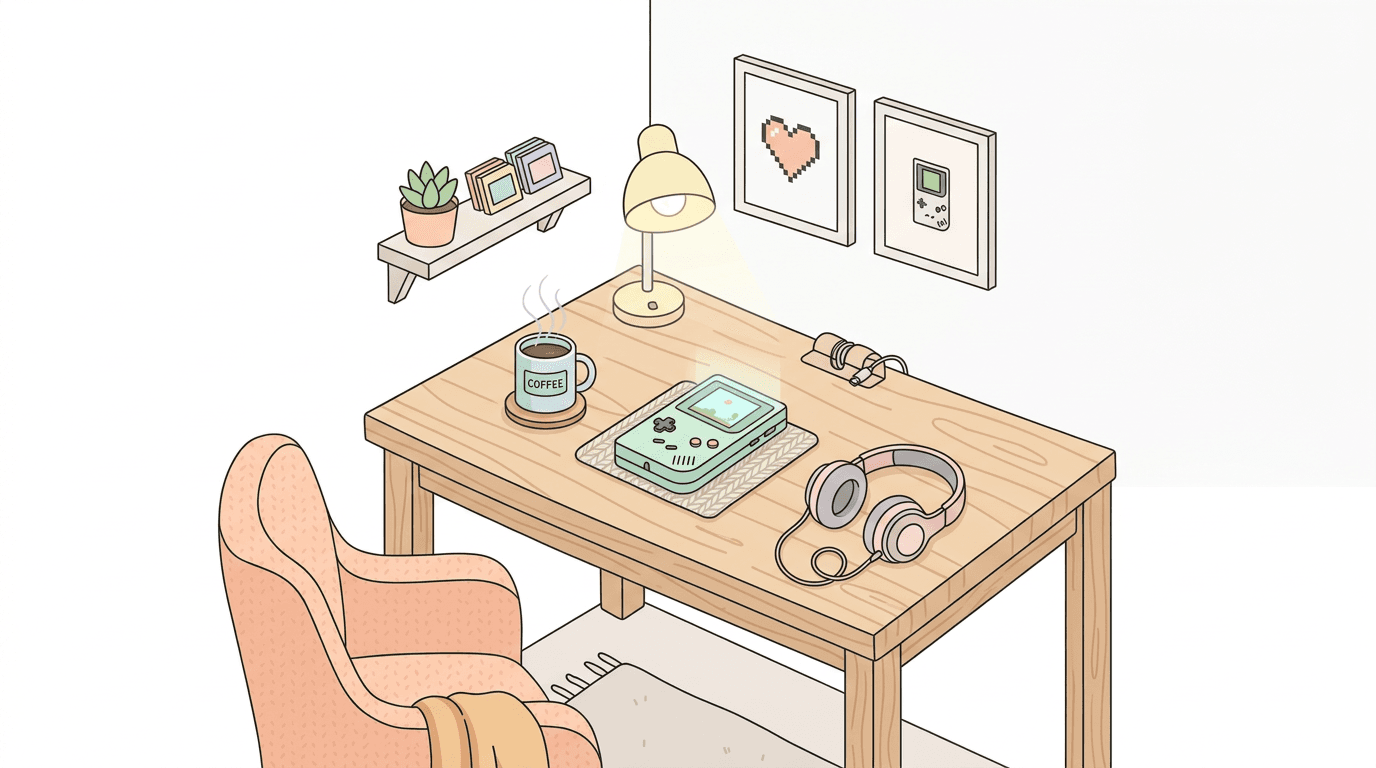
The hardware is merely the vessel; the true soul of a portable retro setup lies in the Curation of Content. We are moving away from the era of "Full ROM Sets"—the practice of downloading every game ever made for a system. Having 10,000 games often leads to "Choice Paralysis," where the user spends more time scrolling through menus than actually playing.
The modern "pro" setup involves building a Curated Digital Library. This focuses on the "Essential 100"—the titles that defined genres or pushed hardware to its limits. This curation extends to the software interface (OS). Custom firmware like OnionOS or GarlicOS has revolutionized the user experience, offering "Game Switcher" features that allow you to jump between titles instantly, much like switching apps on an iPhone.
The Buyer’s Guide: Top Picks for Every Tier of Gamer
Navigating the sea of Chinese-manufactured handhelds can be daunting. To help you build your setup, we have identified the gold standard devices currently dominating the scene.
The "Everyday Carry" King:
This device has become a cult classic for a reason. It perfectly captures the "Game Boy" aesthetic but adds a vibrant 3.5-inch IPS screen and Wi-Fi for "RetroAchievements." It fits in a shirt pocket and is the ultimate choice for RPGs or puzzle games during a commute.
The Horizontal Powerhouse:
For those who find the vertical "Game Boy" style cramped, this horizontal device offers better ergonomics and dual analog sticks. It’s powerful enough to handle the entire PlayStation 1 library with ease and features a robust, premium build quality that feels far more expensive than its price tag suggests.
The Purist’s Dream:
This is the "iPhone of retro gaming." Using FPGA technology, it plays original Game Boy, Game Gear, and Neo Geo cartridges with staggering accuracy. Its screen has a pixel density so high that it can perfectly replicate the look of a 1989 LCD or a 1990s CRT television.
The All-In-One Titan:
If you want one device to rule them all, this is it. Running on Android, it can handle PlayStation 2, GameCube, and even some Nintendo Switch titles. It’s the bridge between "Retro" and "Modern," offering a high-definition 720p screen and hall-effect joysticks that will never drift.
The Desktop Companion:
A portable setup isn't just about the handheld. For many, a "Bluetooth Controller" is essential for playing on a kickstand-mounted device or connecting to a hotel TV. This controller is widely considered the best retro-style pad on the market, blending the classic SNES feel with modern sticks and triggers.
The Luxury Powerhouse:
While technically a modern PC, the Steam Deck has become the ultimate retro machine for enthusiasts. Its massive OLED screen makes 16-bit colors pop with incredible intensity, and its "EmuDeck" software suite automates the entire setup process, turning a complex PC into a streamlined console.
The Ecosystem: Accessories That Elevate the Experience
A truly premium portable setup is more than just the console. To reach the "HootFinds" level of quality, you must consider the peripheral ecosystem.
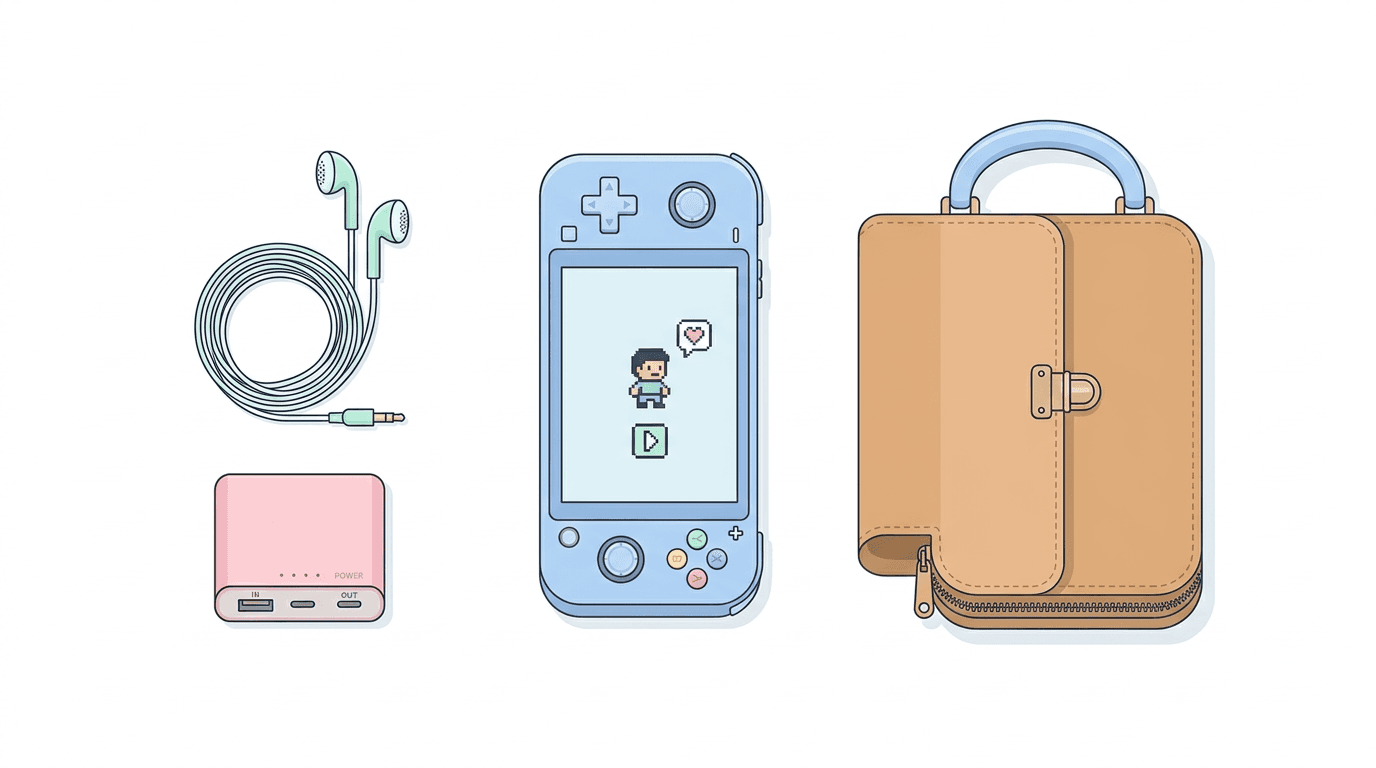
- High-End MicroSD Storage: Cheap cards are the #1 cause of data corruption in retro handhelds. Always opt for a high-speed, branded card (like SanDisk Extreme) to ensure your 40-hour Chrono Trigger save file remains safe.
- Hardshell Cases: Since many of these devices use "edge-to-edge" glass, a dedicated hardshell case is non-negotiable for travel.
- The Audio Experience: Most retro handhelds include a 3.5mm headphone jack—a rarity in the modern smartphone era. Using a pair of high-quality wired IEMs (In-Ear Monitors) allows you to hear the nuanced, multi-layered FM synthesis of the Sega Genesis or the symphonic scores of the SNES in ways you never did as a child.
The Ethical Horizon: Preservation vs. Piracy
We cannot discuss retro gaming without addressing the elephant in the room: the legality of ROMs. While the "Abandonware" movement argues that games no longer for sale should be free for the public to preserve, the legal reality is more complex.
The industry is currently seeing a shift toward "Official Retro Collections." Companies like Sega, Capcom, and Konami are releasing their back catalogs on modern platforms. However, the portable setup community often focuses on games that are "trapped" on dead hardware due to licensing nightmares (like the classic GoldenEye 007 or X-Men arcade games). For the modern enthusiast, the goal is often "Personal Backups"—using specialized hardware to rip the data from cartridges you already own. This creates a legal and ethical bridge, allowing you to enjoy the convenience of a modern handheld while still supporting the creators of the past.
Conclusion: The Future is Analog-Adjacent
The obsession with portable retro gaming isn't a temporary trend; it’s a correction. In our rush to digitize everything, to move our lives into the cloud, and to subscribe to "content streams" rather than owning art, we lost something fundamental about the relationship between the player and the machine.
The portable retro setup brings that relationship back. It offers a "Tactile Digitalism"—an experience that is technologically advanced yet grounded in the finite, the finished, and the physical. Whether you are a high-flying executive seeking a ten-minute escape into Tetris or a tech enthusiast meticulously configuring the perfect FPGA core, these devices represent a celebration of human creativity. They remind us that great design is timeless and that sometimes, the best way to move forward is to take the very best of the past along for the ride.
As we look toward the future of gaming—with its VR headsets and AI-generated worlds—there will always be a place for the humble pixel. Because at the end of the day, we don't just want to play a game; we want to feel the way we felt when we first discovered that a few glowing squares could tell a story that would stay with us forever.
Common Questions
🤔
Frequently Asked Questions
What is a portable retro gaming setup and why is it gaining popularity?▼
A portable retro gaming setup is a compact system that packs 8-bit and 16-bit classics into a handheld or small form factor, using modern displays and ergonomic controls to recreate the classic experience. It emphasizes a curated library, portability, and tactile, offline play over always-online services. The article frames this as a shift toward a 'Golden Age' mindset, where the value lies in preservation, accessibility, and the joy of physical-feeling games.
What hardware components are essential for a portable retro gaming setup?▼
Core components typically include a handheld or mini PC/embedded board (like a Raspberry Pi or similar), a compact display, physical controls (buttons and a D-pad), a reliable battery, a protective case, and a storage medium with the game library. Emulation software and a well-organized setup are crucial for reliable performance. Optional pieces include additional cooling, a larger battery, and a portable speaker setup to enhance the on-the-go experience.
How does retro gaming support digital preservation and cultural memory?▼
Retro gaming moves games from aging hardware into modern portable screens, helping preserve the design language and gameplay of the 80s and 90s. This approach aligns with the idea of 'Digital Preservation through Play,' ensuring that classic titles remain playable for new generations. By emphasizing authentic interfaces and tangible hardware, it sustains a living historical record of video game art.
Why do players often prefer 'Comfort Gaming' to modern GaaS experiences?▼
Comfort Gaming offers a finite, masterful experience with clear constraints, which reduces cognitive load and stress compared to endless updates and microtransactions. The discrete, self-contained nature of retro titles provides a sense of agency and predictability, countering open-world fatigue. In a world of infinite scrolling, retro games deliver structure, focus, and nostalgic joy in compact sessions.