Blog2/19/2026
5 Interior Design Secrets That Instantly Boost Your Mood and Mental Health
6 minutes Read
The Briefing
Quick takeaways for the curious
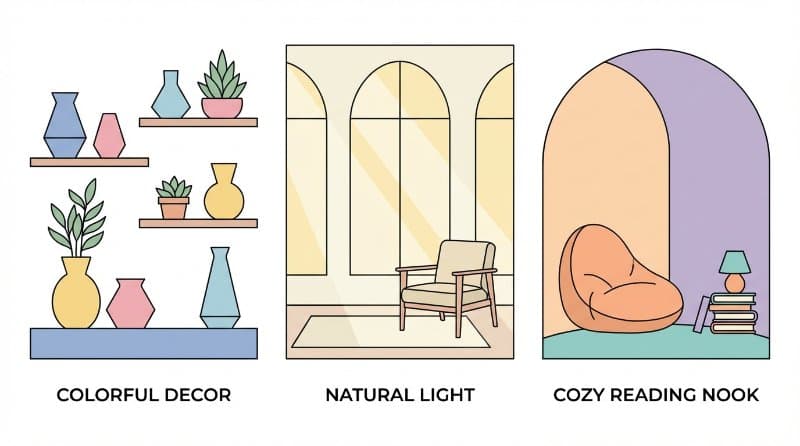
Dopamine Decor utilizes vibrant colors and patterns to trigger the release of happiness-inducing chemicals like serotonin and oxytocin.
Natural light is crucial for circadian health, improving sleep quality, reducing stress, and acting as a natural antidepressant.
The Danish concept of Hygge emphasizes creating cozy, tactile sanctuaries within the home to combat the stress of modern life.
Editing your home using the 'Photo Test' helps identify visual clutter and ensures your space reflects your true identity.
1. Introduction: Beyond Shelter
We have all felt it—that quiet, muted restlessness that settles in when our surroundings no longer seem to speak to us. Perhaps you find yourself pacing a room that feels "fine" but lacks a soul, or staring at a wall that offers no inspiration. For too long, we have treated interior design as a mere pursuit of "stuff" or a frantic chase after fleeting trends. However, as philosopher Alain de Botton poignantly explores in The Architecture of Happiness, buildings are far more than physical structures; they are profound reflections of our inner lives.
Our homes are in a constant, silent dialogue with our psyches. The relationship between our four walls and our well-being is not accidental; it is a vital exchange where the physical environment nurtures or neglects the human spirit. To transform a house from a simple shelter into a sanctuary, we must understand that design is an empathetic tool—one that can intentionally rewrite our mood through the thoughtful application of science, philosophy, and sensory delight.
2. The Chemistry of Color: Why "Dopamine Decor" is More Than a Trend
In the world of high-end styling, a rule-breaking antidote to dated design norms has emerged: "Dopamine Decor." This movement moves away from rigid, clinical palettes and toward an aesthetic of pure, unadulterated joy.
What is Dopamine Decor?
Dopamine decor is the intentional practice of creating mood-boosting interiors through the vibrant use of color, pattern, and texture. It is a highly personalized approach that prioritizes "feel-good" chemicals over "on-trend" minimalism. According to award-winning stylist Maxine Brady, when we inhabit spaces filled with elements we love, our brains release a "happy rush" of dopamine, serotonin, and oxytocin—the same physiological response we feel when laughing with a friend or walking by the sea.
The Science of Joyful Palettes
While there is no single "right" way to decorate for happiness, Brady identifies a classic dopamine palette that leans into warmth and optimism. Incorporating shades like sunshine yellow, bubblegum pink, cobalt blue, and juicy tangerine can instantly lift the energy of a room. To achieve this look easily, you can start by adding vibrant accents like to neutral furniture.
For those seeking a more immersive experience, the technique of Color Drenching—painting walls, skirting boards, doors, and even ceilings in a single, enveloping shade like soft peach or fresh mint—creates a cocooning, confident effect that feels both intentional and calming.
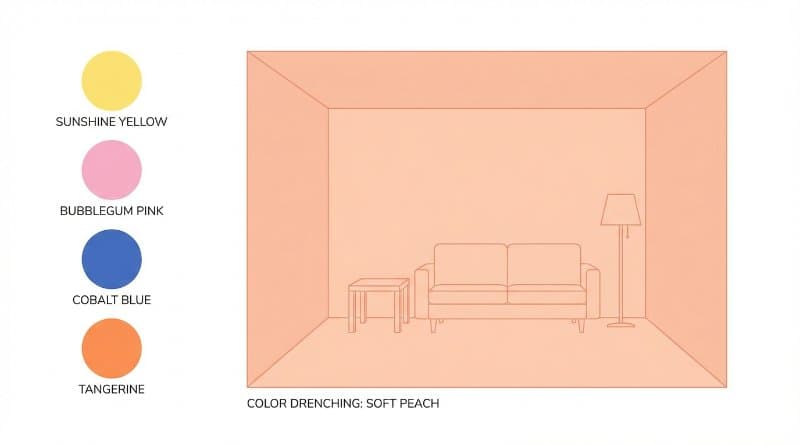
"Some homes come alive with bright colours and clashing prints. Others use a softer palette... If it makes you feel happier at home, it counts. That is the heart of joyful decorating." — Maxine Brady
3. The Circadian Prescription: Natural Light as a Health Tool
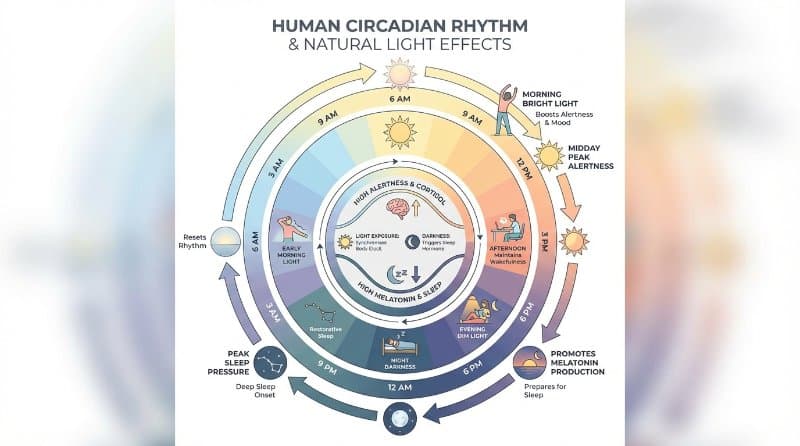
Beyond the visual, we must consider the biological. Natural light is not merely a stylistic preference; it is a foundational pillar of "circadian health." Our internal clocks, which regulate our sleep and wake cycles, are profoundly sensitive to the quality of light within our homes.
The Biological Impact of Daylight
Research from the Icahn School of Medicine at Mount Sinai (2021) suggests that designing for daylight exposure provides substantial health benefits. Furthermore, studies by the University of Chile and the University of Sheffield found that natural lighting conditions significantly shift our perceptions of happiness versus sadness. The physiological rewards of a sun-drenched home include:
- Enhanced Sleep Quality: Proper daytime exposure leads to more restful nights by syncing the circadian rhythm.
- Stress Reduction: Natural light actively lowers levels of anxiety.
- Mood Regulation: Sunlight acts as a natural antidepressant, fostering a subjective sense of well-being.
The Double-Edged Sword of Sunlight
While we crave the sun, direct light can be a source of "visual noise." Environmental psychologist Sally Augustin notes that glare makes the eyes work harder, leading to strain and fatigue. To harness the health benefits without the discomfort, we must use light-diffusing window treatments. Installing high-quality with adjustable louvers allows light to flood the upper half of a room while maintaining privacy and protecting against the hot spots that can distract from our daily rest.
4. The Hygge Sanctuary: Why Your Home Needs "Cozy Nooks"
The Danish concept of Hygge (pronounced hoo-ga) provides a vital architectural response to our modern culture of "hustle." It is the philosophy of "slow living" manifest in wood, stone, and fabric. By prioritizing rest over rush, we create an environment that envelopes us in a sense of sanctuary.
The Ten Principles of Hygge
To truly "hygge" a home, one must lean into its ten core pillars: atmosphere, presence, pleasure, equality, gratitude, harmony, comfort, truce, togetherness, and shelter. It is about the "opposite of hustle"—a deliberate savoring of the present moment.
Creating Pockets of Happiness
The most effective way to implement this is by creating dedicated "cozy nooks." These are intimate spaces—perhaps a chair by the fire or a sun-drenched corner—designed specifically for relaxation. Ground these spaces with natural materials that offer tactile warmth:
- Textural Layers: Think of the sensory delight of boucle, velvet, wool, and linen. A soft is essential for this aesthetic.
- Natural Accents: Use wood and stone to foster a connection to the earth.
- Soft Lighting: The flicker of a candle or the warm glow of a shaded lamp replaces the harshness of digital life with a "cozy quality." Consider using a to control the ambiance perfectly.
"Happiness consists more in small conveniences or pleasures that occur every day, than in great pieces of good fortune that happen but seldom." — Meik Wiking, quoting Benjamin Franklin
5. Editing for Emotional Resonance: The "Less but Better" Philosophy
A happy home is rarely about the volume of stuff; it is about the resonance of what remains. Alain de Botton suggests that our homes function as symbols of identity. A minimalist space may signify an aspiration for order, while a home filled with antiques reveals a fondness for history. The goal of "editing for joy" is to ensure your home reflects you, not a generic furniture catalog.
The Identity Audit: The "Photo Test"
Maxine Brady recommends a practical method to identify visual noise: take a photo of your room. The camera lens reveals clutter that our eyes have become "blind" to. Use this as an audit to see if your space is a true symbol of your identity. If an object feels "heavy" or no longer reflects your story, remove it. By clearing the visual noise, you give your most meaningful treasures the breathing room they need to shine. You can organize remaining items in stylish to keep the aesthetic clean.
Mindful Technology
Part of this editing process involves "Mindful Technology." In a soul-nurturing home, the television should not be the centerpiece of social life. By hiding technology or creating tech-free zones, we prioritize social connection and presence over digital distraction, allowing the home to remain a place of genuine human encounter.
Meaningful Items to Feature:
- Vintage finds from weekend markets that tell a story of discovery.
- Handmade pieces crafted by friends or family to foster connection.
- Holiday artwork or schoolwork that serves as a nostalgic landmark.
- Natural elements like indoor plants or a fresh bouquet of wildflowers for their calming, brightening effect.
6. Conclusion: The Future of Your Well-being
The future of architecture and design is moving toward an empathetic, human-centered model. We are beginning to understand that our homes are active participants in our health, responsible for nurturing the soul rather than just providing four walls and a roof. By weaving together the science of circadian light, the chemical joy of color, and the quiet luxury of the hygge philosophy, we create an environment where happiness is not a guest, but a resident.
As you look around your living space today, ask yourself: Which "pocket of happiness" will you create today to support the person you are becoming?
Common Questions
🤔
Frequently Asked Questions
What is Dopamine Decor?▼
Dopamine Decor is an interior design trend that focuses on using vibrant colors, patterns, and textures that personally bring you joy, aiming to trigger the release of feel-good chemicals like dopamine and serotonin in the brain.
How does natural light in a home affect mental health?▼
Natural light regulates your circadian rhythm, which improves sleep quality. It also helps reduce anxiety levels and acts as a natural mood booster, making it essential for mental well-being.
What are the key elements of a Hygge-inspired room?▼
A Hygge-inspired room focuses on comfort and coziness, featuring elements like soft textural layers (wool, velvet), natural materials (wood, stone), warm soft lighting (candles, lamps), and dedicated nooks for relaxation.