Blog2/15/2026
Sleepmaxxing: Why Your Obsession with Perfect Rest is Ruining Your Sleep
5 min read Read
The Briefing
Quick takeaways for the curious
Orthosomnia is a condition where anxiety over sleep tracking data negatively impacts actual sleep quality.
Supplements should be targeted: Magnesium for physical tension, L-Theanine for racing thoughts, and Melatonin for circadian shifts.
Morning sunlight exposure (10-60 minutes) is the most critical factor for setting your sleep clock for the following night.
Mouth taping carries significant risks for those with sleep apnea or congestion and lacks robust clinical backing.
Maintaining a bedroom temperature between 60-67°F is essential for preventing middle-of-the-night awakenings.
The Sleepmaxxing Paradox: Why Your Obsession with Rest is a High-Stakes Game of Sabotage
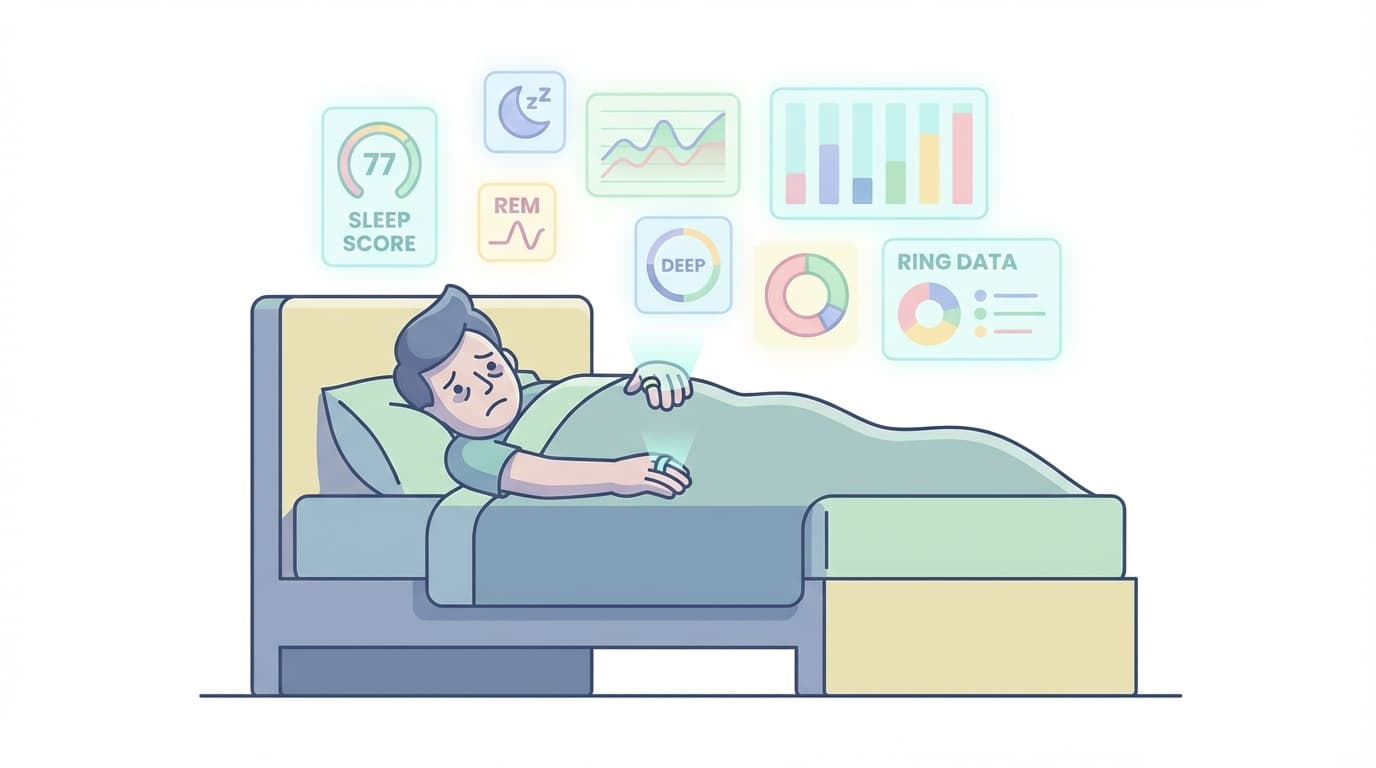
In the modern quest for self-optimization, we have transformed our bedrooms into high-tech laboratories. We don smart rings before dusk, install AI-driven thermal layers on our mattresses, and ingest precision-engineered chemical cocktails—all in pursuit of the "perfect" night. This is Sleepmaxxing: the aggressive practice of upgrading every biological and environmental variable to achieve peak performance through rest.
Yet, there is a biting irony at play. Despite owning every gadget on the market, a growing number of people are waking up more exhausted than ever. In our drive to master our sleep, we have inadvertently turned the most natural human recovery process into a source of high-octane performance anxiety.
The Arbiter in Your Pocket: Why Your Oura Ring Might Be Lying to You
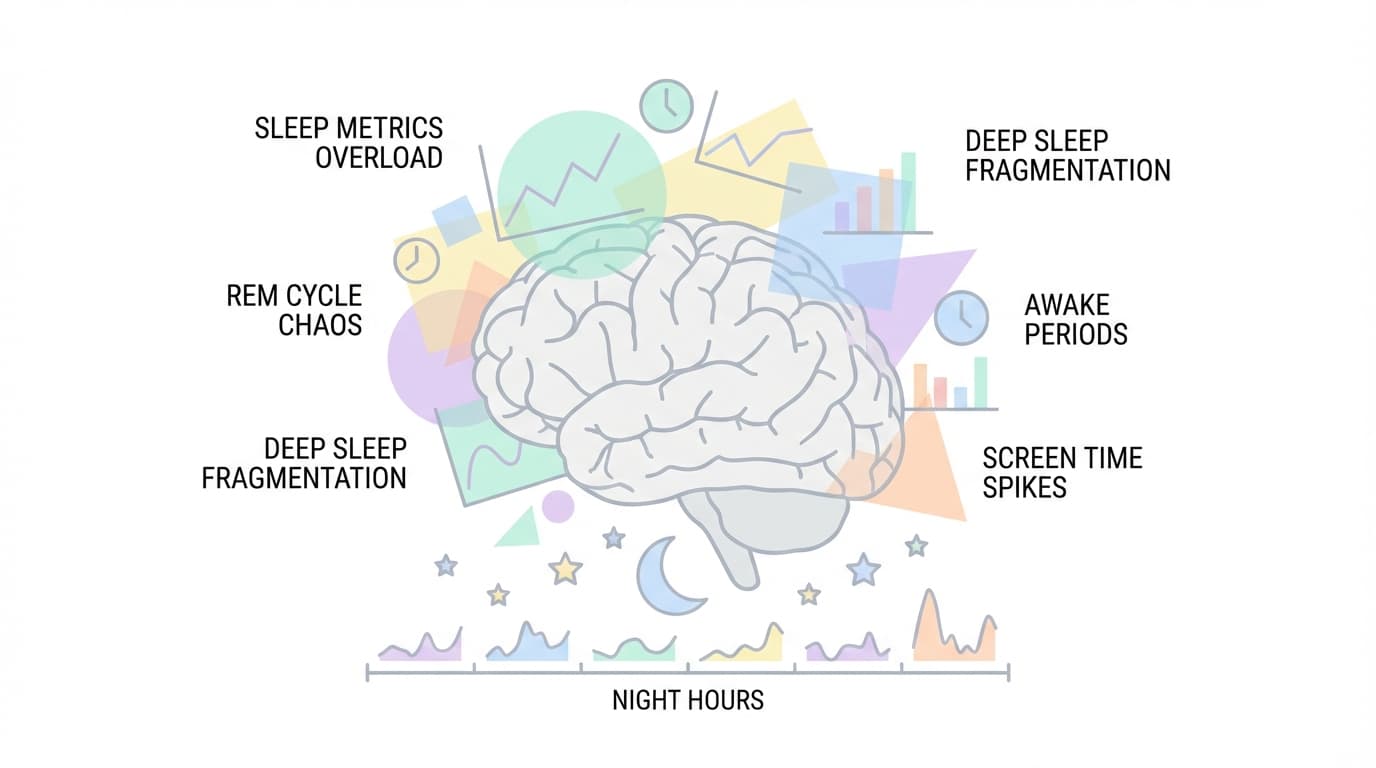
The sophistication of modern wearables has birthed a psychological trap known as Orthosomnia. Coined by researchers to describe an unhealthy preoccupation with achieving "perfect" sleep data, it turns your morning routine into a data-driven post-mortem.
For the orthosomniac, the tracker is the ultimate judge. You might wake up feeling remarkably refreshed, but a "poor" score on your device can trigger immediate anxiety, causing you to dismiss your own biological signals in favor of an algorithm. As a journalist covering the space, it’s vital to remember that these tools have limits.
"Sleep trackers are never going to be as accurate as medical grade technology used for medical sleep studies," warns Dr. Chelsie Rohrscheib, neuroscientist and head of sleep at Wesper.
When your sleep score becomes a grade, the bedroom becomes a classroom—a place of evaluation rather than relaxation. Dr. Raj Dasgupta, chief medical advisor for Sleepopolis, notes the counterproductive nature of this focus:
"Trying too hard to get the perfect sleep…can cause you anxiety about not always getting the perfect results. The harder you try to sleep or focus on it, the more anxious you become."
Stop Guessing: Precision Fueling for Your Biological Clock
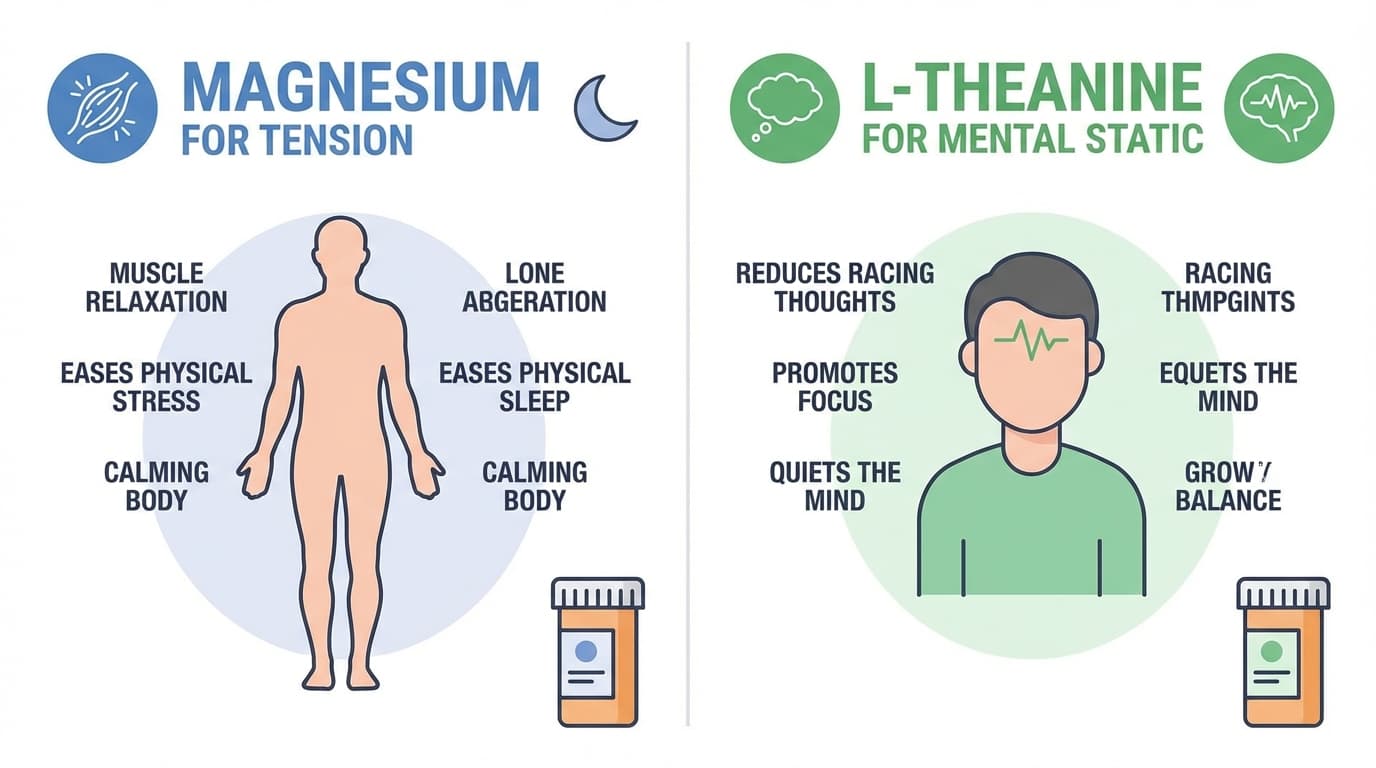
Effective sleep support is about identifying specific physiological blockages, not simply sedating the brain. Most consumers use the "right tool for the wrong job," treating mental static with physical relaxants. To "sleepmaxx" effectively, you must match the supplement to the specific struggle:
- Physical Tension: Magnesium Bisglycinate. Also known as Magnesium Glycinate , this form is the clinical target for sleep because it binds magnesium to two glycine molecules. Glycine acts as an inhibitory neurotransmitter, supporting brain calm and muscle relaxation by enhancing GABA function.
- Mental Static: L-Theanine. If your body is heavy but your mind is reviewing tomorrow's to-do list, this amino acid is the "brake." It enhances alpha brain waves—the state associated with meditation—to quiet racing thoughts.
- Circadian Misalignment: Melatonin. Melatonin is a biological signal of darkness, not a sedative. It is best used as a tool to retrain the internal clock during jet lag or shift work, rather than a nightly crutch for insomnia.
The Solar Anchor: Why Your Midnight Rest Starts at 7 A.M.
While the "sleepmaxxing" community is obsessed with blocking blue light at night, the most powerful circadian tool happens within minutes of waking. Natural sunlight exposure is the primary cue that anchors your internal clock, determining exactly when melatonin will begin to rise 14 hours later.
According to the Huberman Lab protocol, you should view sunlight within 30–60 minutes of waking. However, the duration is highly dependent on the weather. On a clear, bright day, 10 minutes is sufficient. On a cloudy or overcast day, you need 20–60 minutes to trigger the same biological response.
"You can’t wear a brimmed hat, sunglasses and remain in the shade and expect to 'wake up' your circadian clock," says Dr. Andrew Huberman. "Viewing bright lights of all colors are a problem for your circadian system [at night]... but sunlight is the foundation."
Viral Hacks vs. Biological Reality: The Truth Behind the Surgical Tape Trend
Social media has rebranded surgical tape as a miracle cure for a weak jawline and snoring, but the physiological reality of "mouth taping" is far murkier. The theoretical goal is to promote nasal breathing, which filters allergens and warms the air. However, the benefits touted by influencers remain largely unsupported by robust clinical trials.
Moreover, the safety risks are significant. The practice can be dangerous for several populations. You must strictly avoid mouth taping if you have:
- Untreated obstructive sleep apnea (OSA).
- Chronic nasal congestion or a deviated septum.
- Respiratory conditions like asthma or COPD.
- A risk of vomiting during sleep.
Engineering the Chill: The Metabolic Secret to Staying Asleep
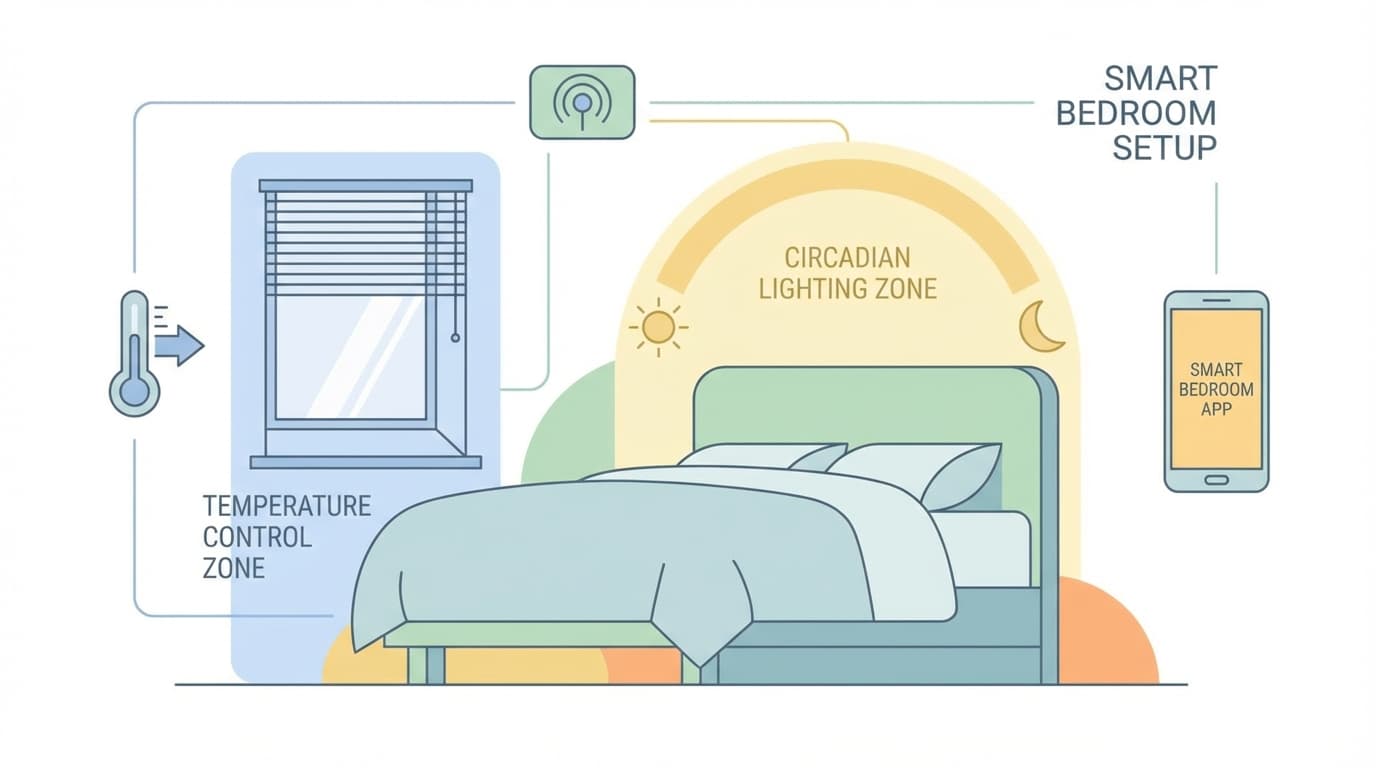
Temperature is a more powerful sleep cue than light. To initiate sleep, your core body temperature must drop by 1–3 degrees. While many focus on this drop to fall asleep, maintaining a cool environment is the secret to staying asleep.
A rise in core body temperature is a primary driver of middle-of-the-night awakenings. By keeping your room between 60 and 67°F (15.6–22.0°C), you prevent the natural temperature spike that often occurs at 3 A.M., allowing the brain to remain in restorative, slow-wave sleep.
Choosing Your Arsenal: A High-Performance Gear Summary
If you choose to use technology, select tools that provide actionable insights without turning your bed into a distraction zone.
- The Best All-Rounder: Oura Ring 4. Beyond its discreet, multi-sensor design and 8-day battery life, the Oura has become a leader in women's health, offering sophisticated fertility and menstrual cycle tracking alongside standard sleep stages.
- The Minimalist Choice: Whoop 5.0. This is the "distraction-free" pick. With no screen and no notifications, the Whoop focuses purely on the relationship between daily strain and nocturnal recovery.
- The Environmental Powerhouse: Eight Sleep Pod 5. This AI-driven mattress cover is the ultimate "set and forget" tool. It uses "The Hub" to adjust temperature in real-time based on your sleep stages and features an AI-driven snoring adjustment that can physically reposition your head to clear your airway.
Conclusion: Beyond the Metrics
The final stage of "sleepmaxxing" isn't about buying another gadget; it's about developing the wisdom to know when to ignore them. When we prioritize the algorithm over the lived experience of rest, we lose the very thing we are trying to optimize.
True recovery is found in the space between the data points. Are you sleeping to satisfy your device, or are you sleeping to satisfy your soul? Consistency and foundational hygiene will always outperform an experimental hack.
Common Questions
🤔
Frequently Asked Questions
What is Orthosomnia?▼
Orthosomnia is a term used to describe an unhealthy obsession with achieving perfect sleep data from wearable trackers, which ironically leads to increased anxiety and poorer sleep quality.
Is mouth taping safe for everyone?▼
No. Mouth taping is dangerous for individuals with untreated sleep apnea, chronic nasal congestion, deviated septums, or respiratory conditions like asthma.
What is the best temperature for deep sleep?▼
Experts recommend keeping your bedroom between 60 and 67°F (15.6–22.0°C) to facilitate the core body temperature drop required for deep, restorative sleep.