Blog2/17/2026
7 Blue Zone Secrets: Why "Lazy" Shepherds Outlive Gym Rats
6 minutes Read
The Briefing
Quick takeaways for the curious
Longevity is 80% lifestyle and environment, not genetics.
The "Three Sisters" diet (corn, beans, squash) provides a complete protein profile superior to many supplements.
Retirement is linked to a mortality spike; maintaining purpose (Ikigai) is crucial for survival.
Natural movement throughout the day is more effective for longevity than intense, sporadic gym sessions.
Antioxidant supplements can actually negate the cellular repair benefits of intermittent fasting.
The American wellness industrial complex is a $4.3 trillion juggernaut designed to sell us the illusion of immortality through high-priced supplements, boutique gym memberships, and "biohacking" gadgets . Yet, the data tells a damning story: despite this astronomical spending, life expectancy in parts of Kentucky is 22 years lower than in Boulder, Colorado. We are spending a fortune to "mop up the mess" of chronic disease after it arrives, rather than preventing it.
According to the Danish Twin Study, only about 20% of how long we live is dictated by our genes. The remaining 80% is lifestyle and environment. To find the secret to the century-long life, we shouldn't look at petri dishes or Silicon Valley protocols; we should look at the "Blue Zones"—regions like Sardinia (Italy), Okinawa (Japan), and the Nicoya Peninsula (Costa Rica)—where people live to 100 not by trying, but by simply living.
1. Health is Not Pursued; It "Ensues"
In the West, we treat health as a project of individual discipline—a grueling battle of willpower against an environment designed to make us sedentary and overfed. But as longevity expert Dan Buettner points out, willpower is a muscle that fatigues. Relying on it is a "Sisyphean loop" that leads to inevitable failure.
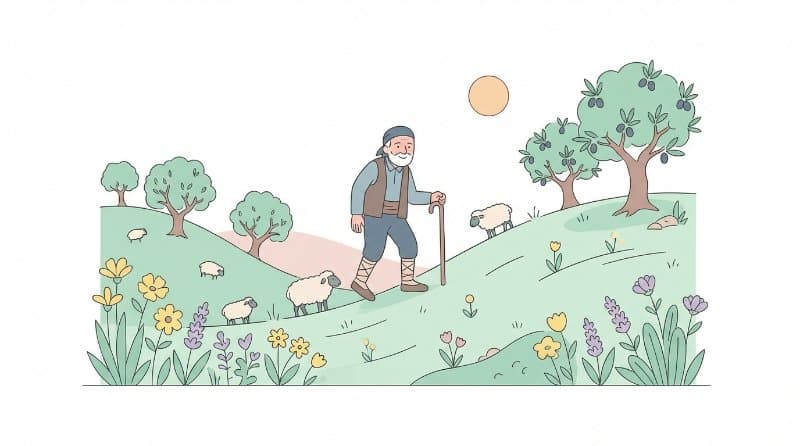
In the Blue Zones, longevity is a byproduct of the ecosystem. In Costa Rica, for instance, the EBAIS health teams proactively visit every home to catch high blood pressure or diabetes before they become six-figure emergencies. In Sardinia, the men who live the longest aren't the farmers—who often engage in high-stress, repetitive labor—but the shepherds. These men walk miles vertically, eat leisurely breakfasts, and take naps. Their health is engineered into their profession and their geography.
Analysis/Reflection: This challenges the American obsession with "trying harder." We don't need more "wellness months" at work; we need to engineer environments that nudge us toward health. When the "healthy choice" is the only choice available, the struggle of willpower evaporates.
"In the blue zones, they do not pursue longevity. It ensues. It is a byproduct of the right environment, the right ecosystem." — Dan Buettner
2. The Power of "The Three Sisters" and the Sourdough Secret
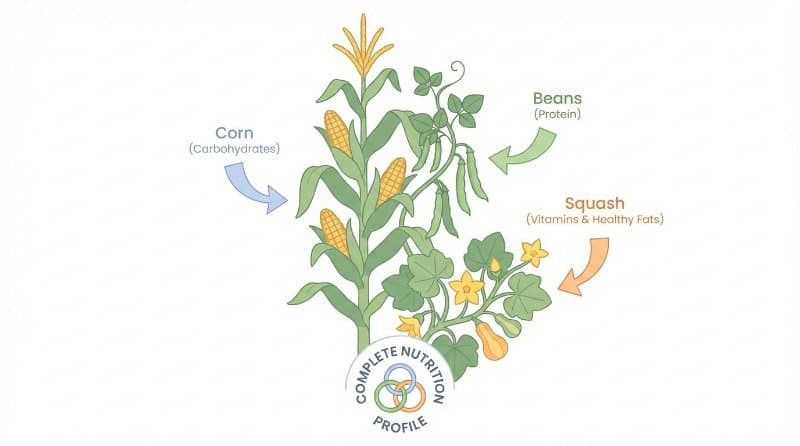
While the wellness industry pushes expensive protein powders , the longest-lived people on earth rely on the humble bean. In the Nicoya Peninsula, the "Three Sisters"—corn, squash, and beans—form a perfectly sustainable nutritional profile that provides all necessary amino acids without the need for "dead animals." While many guidelines suggest a half-cup, the most robust data suggests that eating one full cup of beans daily can add four years to your life expectancy.
The evidence-based secret doesn't stop at legumes. In Sardinia, centenarians eat a specific sourdough bread. Unlike the bleached white loaves found in American supermarkets, this bread uses Lactobacillus bacteria to "digest" the starches and glutens. This process creates a bread that actually lowers the glycemic load of the entire meal by 25%, making the calories available as steady energy rather than storing them as fat. You can even make this at home with a simple kit .
Analysis/Reflection: We have overlooked the consummate superfood because it is cheap and unglamorous. Beans and sourdough are the "silver buckshot" of nutrition—affordable, shelf-stable, and more effective than any "superfood" supplement currently trending on social media.
3. Why "Retirement" is a Dangerous Concept
The Western ideal of retirement—the sudden cessation of work—is a biological hazard. Data indicates a staggering "mortality spike" associated with retirement: approximately 11,000 more people die in the year they retire than expected. This spike is driven by the sudden loss of social networks and, more importantly, a sense of purpose.
Blue Zone cultures lack a word for retirement. Instead, Okinawans have ikigai and Nicoyans have plan de vida—both meaning "the reason I wake up in the morning." Whether it is a 102-year-old karate master teaching his art or a great-grandmother caring for her descendants, having a reason to stay engaged is a biological survival mechanism that protects brain health and staves off decline.
4. The "80% Full" Rule (Hara Hachi Bu)
Most Americans eat until they are "stuffed," but the residents of Okinawa practice Hara Hachi Bu, a 2,500-year-old Confucian mantra that reminds them to stop eating when they are 80% full. They also practice strategic meal timing: eating like a king at breakfast, a prince at lunch, and a pauper at dinner. By consuming their smallest meal in the late afternoon or early evening, they prevent the metabolic "sludge" that comes from late-night overconsumption.
5. Supplements May Be Sabotaging Your Fasting Benefits
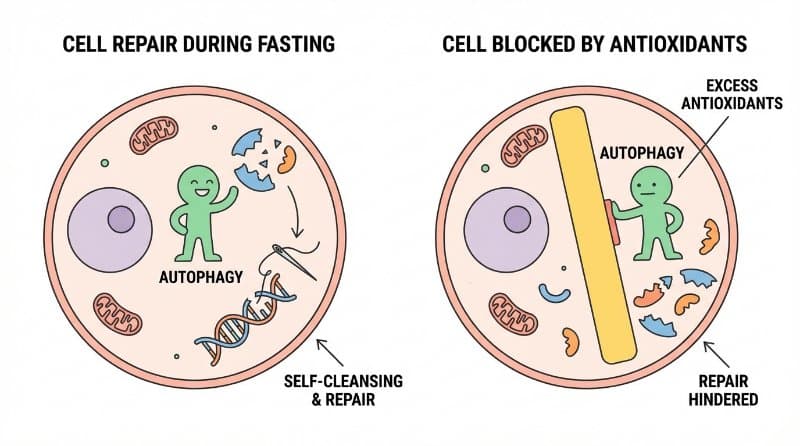
Intermittent fasting is celebrated for triggering "hormesis"—a type of beneficial environmental stress that activates the SIRT3 gene, improves insulin sensitivity, and forces cells to repair their own mitochondria. However, research from the University of Florida found a surprising catch: when participants took daily oral supplements of Vitamin C and E , the benefits of fasting disappeared.
By "sheltering" the cells with antioxidant supplements, we prevent the body from experiencing the very oxidative stress it needs to trigger its natural defense mechanisms. Without that stress, the SIRT3 gene remains dormant, and the cellular "cleanup" never happens.
6. The Surprising Social Predictors: Daughters and "The Grandmother Effect"
Social connectivity accounts for perhaps 50% of the longevity formula. In Sardinia, the number of daughters a man has is a major predictor of his longevity, likely due to the superior emotional and physical care provided within the family unit.
This is compounded by the "Grandmother Effect." Families that keep grandparents close to the core—ideally in the home—see lower rates of disease and mortality in the children. This creates a virtuous circle: the elders stay sharp and physically active because they are needed, and the children receive the wisdom and bacteria (as seen in the Sardinian sourdough tradition) of their ancestors.
7. Stop "Exercising" and Start "Moving Naturally"
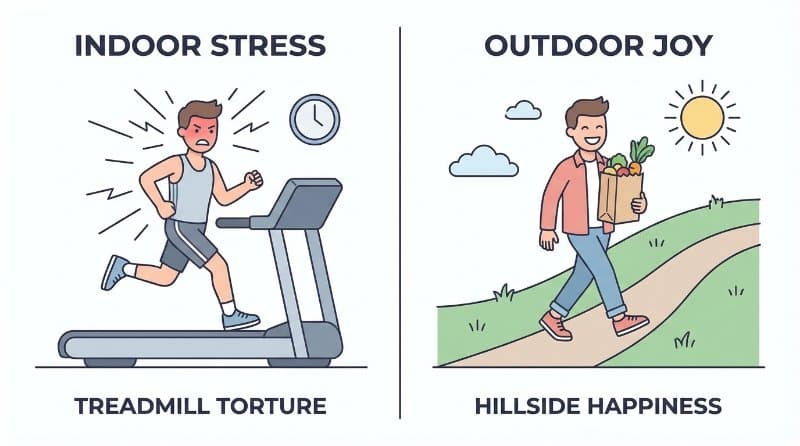
Modern fitness culture is an unmitigated public health failure. We ask people to drive to a "sweat box" to perform repetitive movements they often hate, relying on a fatiguing muscle of willpower. In contrast, Blue Zone residents move naturally every 20 minutes. They live in steep villages, they garden by hand , and they walk to the market.
Analysis/Reflection: Shifting from "gym time" to "functional movement" makes health effortless. If you incorporate a 20-minute walk into your daily routine—walking to a friend’s house or the store—you can add three years to your life expectancy without ever buying a pair of specialized shoes or a monthly membership.
Conclusion: Engineering Your Personal Blue Zone
The secret to reaching 100 is not a "silver bullet"—it is "silver buckshot." It is an interconnected ecosystem of small, environmental nudges that make the healthy choice the easy choice. We see this in the story of Stamatis Moraitis, an Ikarian who was diagnosed with terminal lung cancer while living in the U.S. He moved back to his ancestral home in Greece to "die with his ancestors," but by drinking the local wine, eating the garden greens, and reconnecting with his tribe, he lived for another 38 years. When he finally went back to the U.S. to ask his doctors how he survived, he found that all his doctors were dead.
Instead of looking for a magic pill, ask yourself: What one environmental "nudge" can I change in my home today? Stock your pantry with beans , find your ikigai, and walk more. The path to 100 isn't paved with willpower—it’s paved with the simple, traditional habits of the world's longest-lived people.
Common Questions
🤔
Frequently Asked Questions
What are the Blue Zones?▼
Blue Zones are specific regions in the world, such as Sardinia (Italy), Okinawa (Japan), and Nicoya (Costa Rica), where people live significantly longer and healthier lives than the global average.
Why is sourdough bread considered healthier in Blue Zones?▼
Traditional sourdough uses Lactobacillus bacteria to digest starches and glutens during fermentation, which lowers the bread's glycemic load by 25% and makes it easier to digest compared to commercial white bread.
What is the Hara Hachi Bu rule?▼
Hara Hachi Bu is a 2,500-year-old Confucian mantra practiced in Okinawa that reminds people to stop eating when they feel 80% full, preventing overeating and metabolic stress.