
Blog3/1/2026
Magnesium Glycinate: The Gentle Mineral for Sleep & Calm
10 mins Read
The Briefing
Quick takeaways for the curious
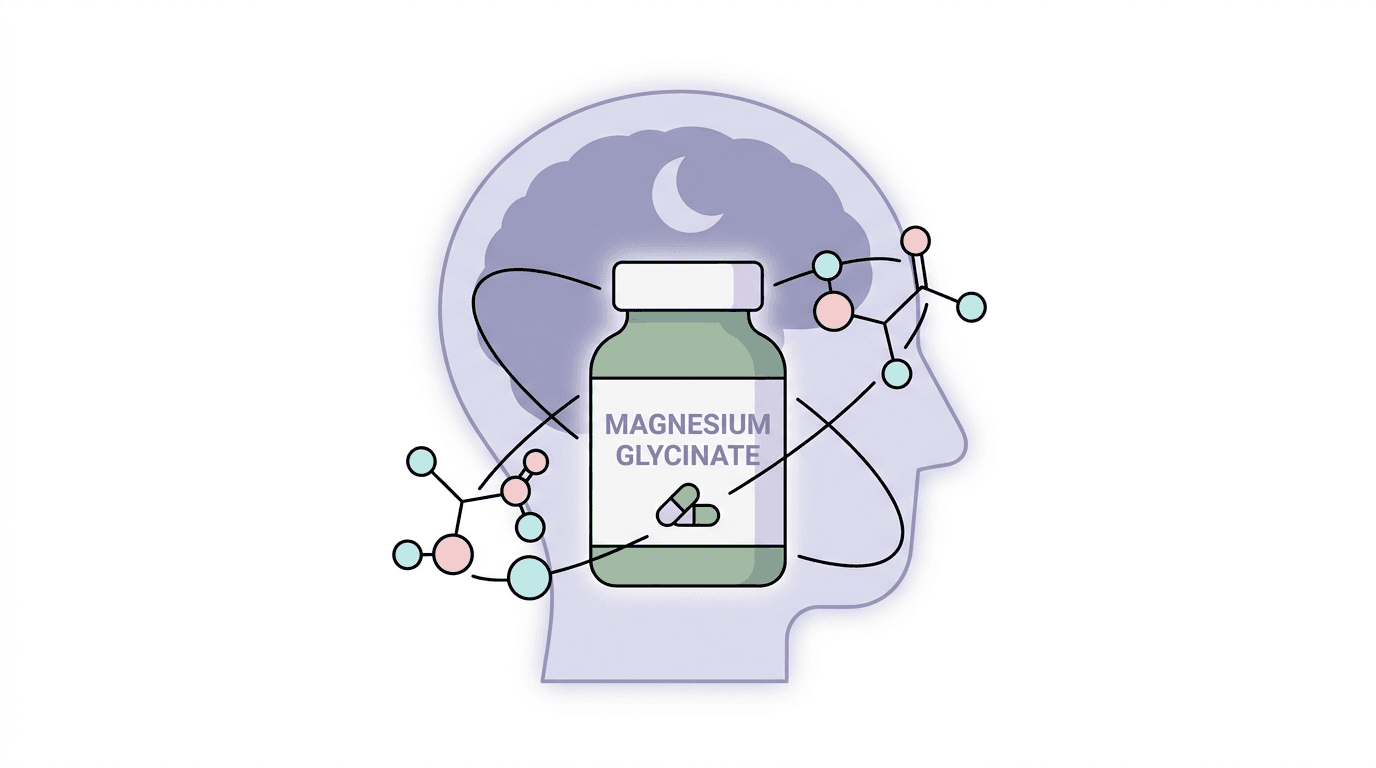
Magnesium glycinate is a chelated form that binds magnesium to two glycine molecules, boosting absorption and reducing GI upset compared with common forms like magnesium oxide.
Its superior bioavailability allows reaching therapeutic magnesium levels with higher tolerable doses, minimizing the laxative effect that plagues lower-quality forms.
The glycine component adds a synergistic benefit by supporting relaxation and sleep, making this pairing particularly effective for calming the nervous system.
By leveraging amino acid transporters in the gut, magnesium glycinate preferentially targets the brain and muscles, addressing deficiency-related fatigue, irritability, and tension.
In the context of a modern lifestyle characterized by stress, blue light exposure, and disrupted circadian rhythms, magnesium glycinate emerges as a practical, gentle-to-tolerate mineral that supports restorative sleep and daily calm.
The Relaxation Mineral: Why Magnesium Glycinate is the Modern World’s Best-Kept Secret
We live in an era of the "tired but wired." It is a peculiar, 21st-century exhaustion where your body feels like lead, yet your mind is racing at the speed of a fiber-optic connection. We stare at the ceiling at 2:00 AM, our thoughts looping through tomorrow's to-do list, fueled by the blue light of our smartphones and the lingering cortisol of a stressful workday. We reach for caffeine to wake up and melatonin to pass out, creating a pharmacological see-saw that never quite hits the balance point. But beneath this surface-level struggle lies a quiet, foundational deficiency that most of us are completely overlooking. While we chase the latest "biohacks" and complex nootropics, we are missing a fundamental building block of human biology. Enter Magnesium Glycinate—the highly absorbable, "gentle" version of one of the body’s most critical minerals. It isn't just another bottle on the pharmacy shelf; it is increasingly being recognized by researchers and health enthusiasts alike as the ultimate "master key" to unlocking a calm nervous system and restorative sleep.
The Bioavailability Paradox: Why Not All Magnesium is Created Equal
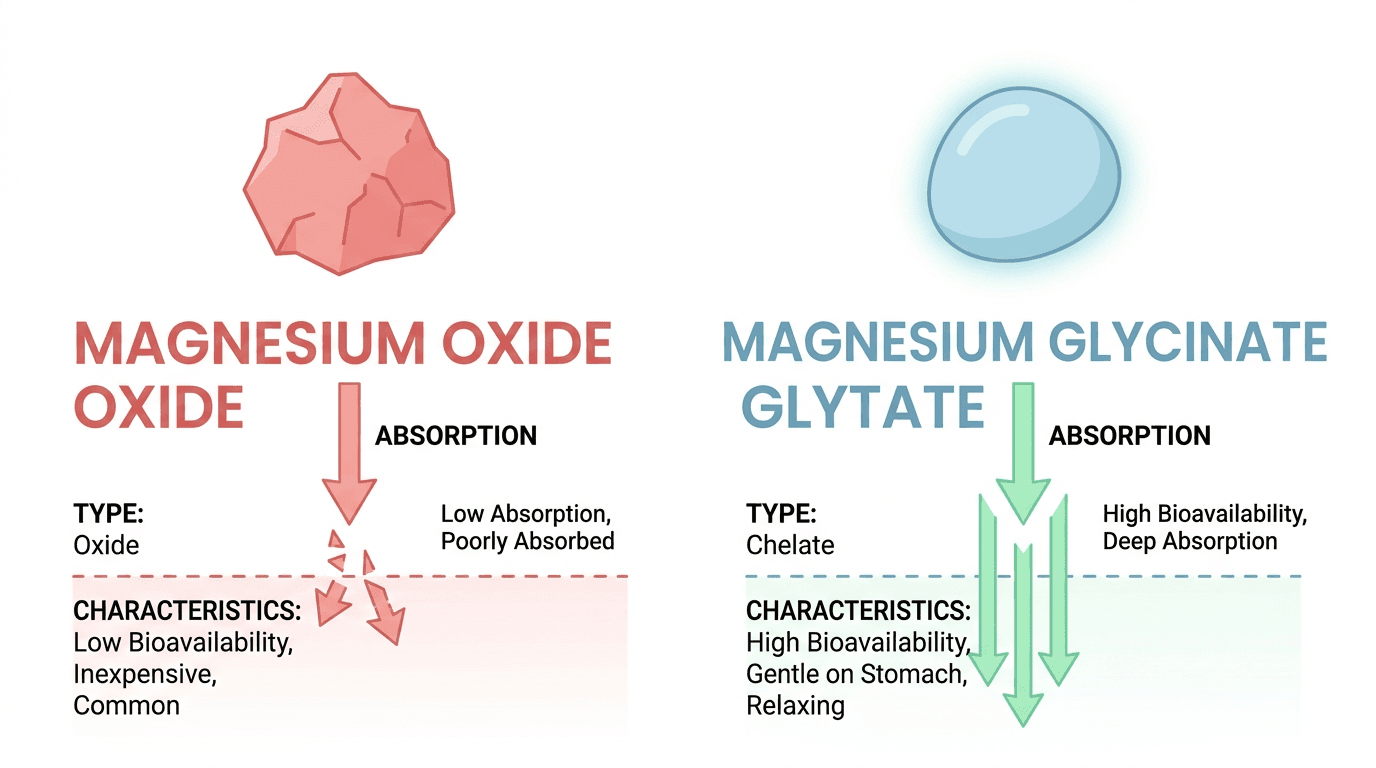
If you walk into any health food store, you’ll see a dizzying array of magnesium options: Oxide, Citrate, Malate, Taurate, and Chloride. To the uninitiated, magnesium is magnesium. However, the form of the mineral dictates exactly where it goes in your body and how much of it actually crosses the gut barrier. The most common form found in cheap multivitamins is Magnesium Oxide. While it contains a high percentage of elemental magnesium, its bioavailability—the amount your body can actually use—is abysmally low, often cited at around 4%. Most of it simply stays in the digestive tract, acting as a potent laxative rather than a systemic tonic.
Magnesium Glycinate (often labeled as Magnesium Bisglycinate) is a different beast entirely. It is a "chelated" mineral, meaning the magnesium molecule is chemically bonded to two molecules of glycine, an amino acid. This molecular marriage is a game-changer. Glycine is recognized by the body as a nutrient, allowing the magnesium to "hitchhike" through the intestinal wall via amino acid transporters, bypassing the competition for standard mineral pathways.
According to a study published in the Journal of the American College of Nutrition, chelated forms of magnesium show significantly higher absorption rates and, perhaps more importantly, far higher "bowel tolerance." This means you can take the dosages required to actually correct a deficiency without the sudden, urgent need to find a restroom. By pairing magnesium with glycine, you aren't just getting the mineral; you’re getting a synergistic duo that targets the brain and the muscles simultaneously.
The Sleep Architect: Reclaiming the Architecture of Rest
The primary reason Magnesium Glycinate has become the "it" supplement of the decade is its profound impact on sleep quality. But it doesn't work like a sedative or a "knock-out" pill. Instead, it acts as a physiological regulator. Magnesium is a natural antagonist to the NMDA receptor, which is responsible for excitatory signaling in the brain. In simpler terms, magnesium acts as the "brake" to glutamate’s "gas pedal."
When we are deficient in magnesium, our neurons become hyperexcitable. This manifests as that restless, "on-edge" feeling that prevents the transition from wakefulness to Stage 1 sleep. Furthermore, the glycine component of Magnesium Glycinate is a neurotransmitter in its own right. Glycine has been shown in clinical trials to lower core body temperature—a key biological signal that tells the brain it’s time to sleep—and to increase the levels of serotonin, the precursor to our sleep hormone, melatonin.
"Magnesium is involved in more than 300 enzymatic reactions in the body, but its role in the nervous system is perhaps the most critical for modern longevity. Without sufficient magnesium to regulate the stress response, the body remains in a state of chronic sympathetic dominance—the 'fight or flight' mode that erodes our health over time." — Dr. Carolyn Dean, author of The Magnesium Miracle.
Research published in the Journal of Research in Medical Sciences conducted a double-blind, placebo-controlled trial on elderly participants with insomnia. The results were staggering: the group receiving magnesium showed significant increases in sleep time, sleep efficiency, and early morning cortisol regulation. They weren't just sleeping longer; they were sleeping better, waking up without the "hangover" effect often associated with pharmaceutical sleep aids.
The Modern Deficiency: Why Our Soil and Stress are Failing Us
You might wonder why we need to supplement at all. Can’t we just get enough magnesium from a handful of spinach or a square of dark chocolate? In a perfect world, yes. But we no longer live in a nutritionally perfect world. Data from the National Health and Nutrition Examination Survey (NHANES) suggests that roughly 50% of the U.S. population consumes less than the required amount of magnesium.
The reasons for this "silent epidemic" are twofold:
- Soil Depletion: Industrial farming practices have prioritized yield and pest resistance over nutrient density. A study comparing the mineral content of fruits and vegetables from 1950 to 1999 found a reliable decline in magnesium levels across dozens of common crops.
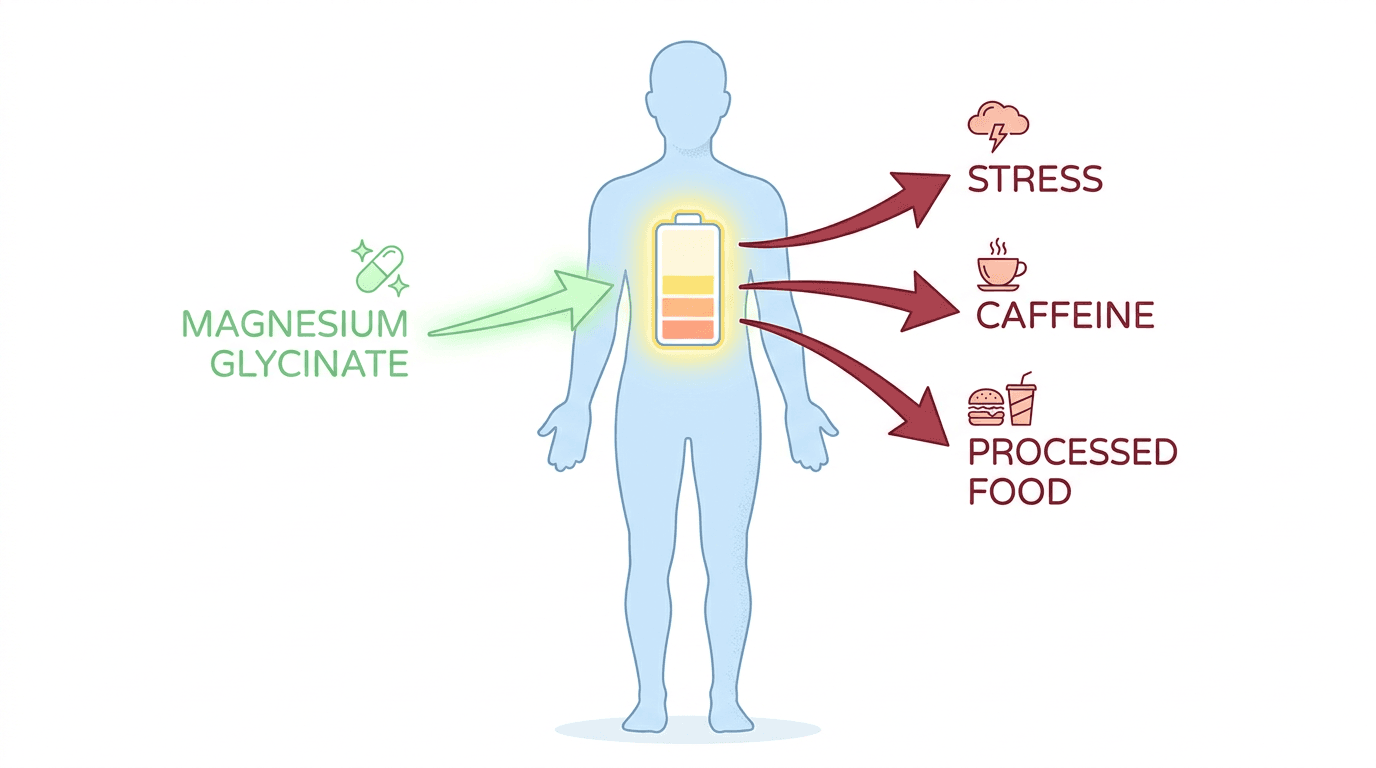
- The Stress Tax: Magnesium is what researchers call a "stress-reactive" mineral. When we are under physical or emotional stress, our kidneys excrete magnesium at an accelerated rate. This creates a vicious cycle: stress depletes magnesium, and low magnesium makes us more susceptible to stress.
Furthermore, our modern diet is high in processed phosphates (found in sodas) and phytates (found in unsoaked grains), both of which bind to magnesium in the gut and prevent its absorption. We are living in a "Magnesium Sink," where we are taking in less than ever while burning through our internal stores at record speeds. This is why many functional medicine practitioners now view magnesium supplementation not as an "extra," but as a baseline requirement for maintaining metabolic health.
Beyond the Brain: Muscles, Heart, and Hormones
While its reputation as a "chill pill" is well-earned, the benefits of Magnesium Glycinate extend far beyond the pillow. Because magnesium is essential for ATP (adenosine triphosphate) production—the fundamental energy currency of every cell—it is vital for muscular function. Athletes have long used magnesium to prevent cramping and "charley horses," but for the average person, it helps resolve the chronic tension held in the neck and shoulders from hours of "tech neck" at a desk.
From a cardiovascular perspective, magnesium is the mineral that allows the heart muscle to relax after a contraction. It helps maintain a steady heart rhythm and supports healthy blood pressure levels by encouraging the blood vessels to dilate (vasodilation).
For women, Magnesium Glycinate is often a "holy grail" for hormonal health. It has been shown to alleviate the symptoms of PMS, particularly the bloating and mood swings associated with the luteal phase of the menstrual cycle. By regulating prostaglandins and calming the central nervous system, it can significantly reduce the intensity of menstrual cramps. It’s a holistic approach to a monthly problem that usually has people reaching for NSAIDs.
The HootFinds Buyer’s Guide: Choosing the Best Magnesium Glycinate
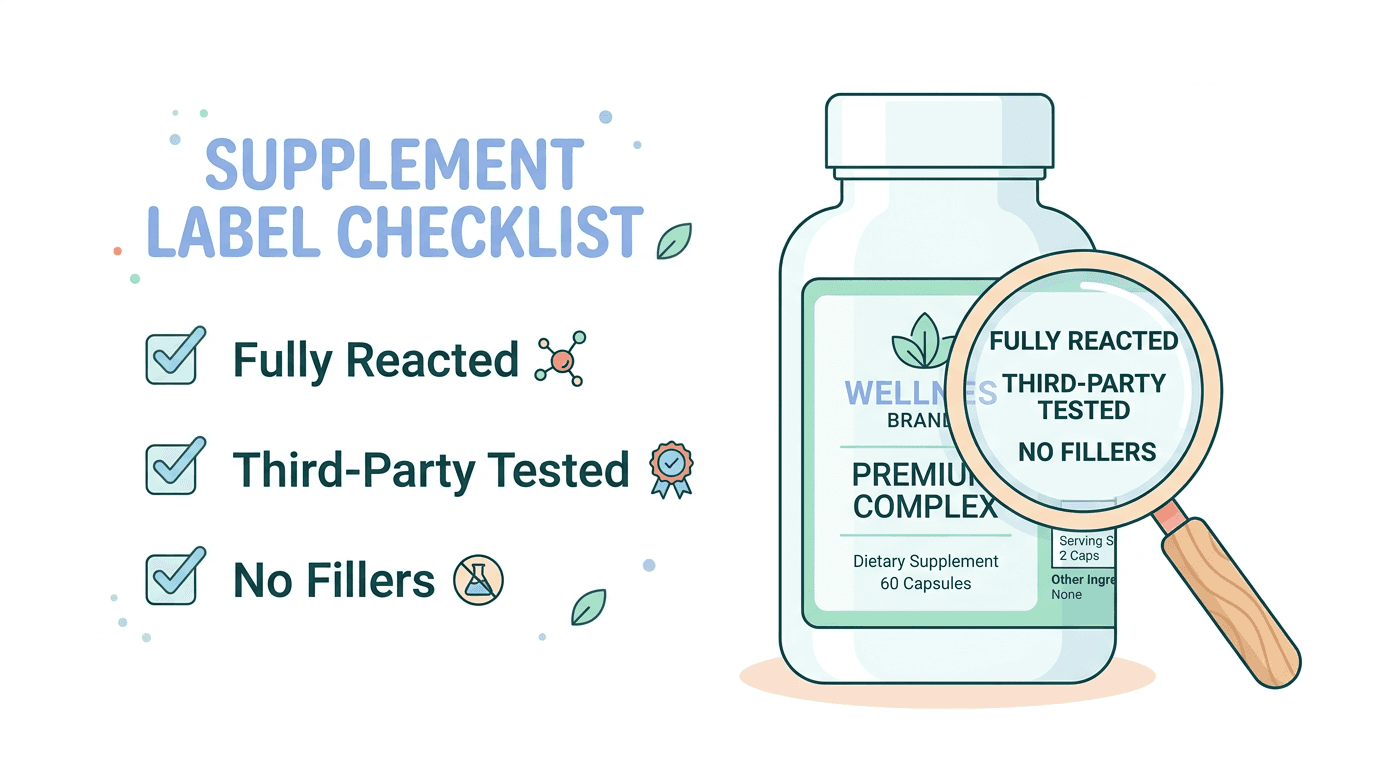
Not all supplements are created equal. When shopping for Magnesium Glycinate, you want to look for "fully reacted" formulas. This ensures that the magnesium is actually bonded to the glycine, rather than just being a "buffered" blend of magnesium oxide and glycine powder. Here are our top-tier recommendations for purity, potency, and absorption:
- Thorne is the gold standard for professional-grade supplements. Their magnesium bisglycinate is NSF Certified for Sport, meaning it’s tested for purity and banned substances. It dissolves easily in water and has a subtle, pleasant taste, making it ideal for a "nightcap" drink before bed.
- For those with sensitive systems or allergies, Pure Encapsulations is the go-to. Their formula is hypoallergenic and free from unnecessary binders, fillers, or artificial sweeteners. It’s a straightforward, high-quality capsule that delivers exactly what it promises.
- If you’re looking for the best value without sacrificing quality, NOW Foods offers a highly effective, high-potency version. It’s an affordable way to start your magnesium journey, especially if you need a higher daily dose.
- Life Extension is known for its research-backed formulations. Their magnesium capsules often combine glycinate with other highly absorbable forms to ensure comprehensive coverage for both the brain and the body.
- CanPrev is a favorite in the wellness community for its "extra gentle" formulation. If you have an incredibly sensitive stomach, this is the version designed specifically to eliminate any digestive upset.
- A reliable, USP-verified option that you can find at most local pharmacies. It’s a solid choice for those who prefer a brand they can easily pick up during their weekly grocery run.
How to Optimize Your Magnesium Intake
To get the most out of your Magnesium Glycinate, timing and dosage are key. Most experts recommend a daily intake of 300mg to 400mg for adults, though some may require more depending on their activity level and stress markers.
Pro-Tips for Better Results:
- Split the Dose: Instead of taking one large dose, try taking half in the morning to manage daytime anxiety and half an hour before bed to support sleep.
- Consistency is Queen: Magnesium is not a "one-and-done" solution. It takes time to replenish the body’s cellular stores. Most people notice a significant difference in their sleep and mood after 2-4 weeks of consistent daily use.
- Watch Your Cofactors: Magnesium works in tandem with Vitamin D and Vitamin B6. In fact, your body cannot effectively metabolize Vitamin D without magnesium. If you are taking a high-dose Vitamin D supplement, you are likely burning through your magnesium stores even faster.
- The "Nightcap" Ritual: Try mixing a powdered magnesium glycinate into a small glass of warm water or tart cherry juice (which contains natural melatonin) for a potent sleep-inducing mocktail.
A Path Back to Equilibrium
In our quest for health, we often gravitate toward the complex. We look for the "miracle" compound found in a rare Himalayan herb or the latest synthetic peptide. But often, the solution to our modern malaise is much more grounded. We are biological organisms that evolved in a mineral-rich environment, and we are currently struggling to function in a mineral-depleted one.
Magnesium Glycinate represents a bridge between our ancient biological needs and our high-speed modern reality. It is a quiet, unassuming tool that addresses the root of our restlessness rather than just masking the symptoms. By providing our nervous system with the "brake" it so desperately craves, we aren't just sleeping better—we are living better. We are more resilient to the inevitable stresses of the day, more present in our interactions, and more in tune with the natural rhythms of our own bodies.
As you look at your nightly routine, ask yourself if you are truly resting or if you are simply waiting for the morning. If it’s the latter, it might be time to stop fighting your biology and start feeding it. The path to a calmer, more restorative life might just be a simple, chelated mineral away. In a world that never stops shouting, Magnesium Glycinate is the quiet whisper that tells your body it’s finally safe to let go.
Common Questions
🤔
Frequently Asked Questions
What is magnesium glycinate and why is it considered more bioavailable than other magnesium forms?▼
Magnesium glycinate is a chelated form in which magnesium is bound to two glycine molecules, which helps it cross the gut wall more efficiently. This pairing uses amino acid transporters, allowing higher absorption than forms like magnesium oxide. The article notes that chelated forms have higher absorption and better bowel tolerance, enabling you to reach therapeutic levels without excessive GI distress. As a result, the body can more effectively utilize magnesium for relaxation and sleep support.
How does magnesium glycinate support sleep and a calm nervous system?▼
Glycine itself can promote calmness, while magnesium helps regulate nerve and muscle function. Together, they target the brain and muscles to reduce stress-related tension and improve sleep quality. The higher bioavailability increases the likelihood of achieving the levels needed for restorative sleep without triggering strong laxative effects. This combination is highlighted as particularly synergistic for relaxation and overnight rest.
Is magnesium glycinate gentler on the gut than magnesium oxide or other forms?▼
Yes, magnesium glycinate generally offers better bowel tolerance than oxide or other lower-bioavailability forms. The chelated complex and the glycine pairing reduce the laxative effects common with some magnesium supplements. This makes glycinate more suitable for regular, higher-dose use aimed at correcting deficiency and supporting daily comfort.
How should I approach dosing and what should I consider when choosing a magnesium glycinate supplement?▼
Because glycinate offers higher absorption and bowel tolerance, you can aim for doses that address a deficiency while monitoring tolerance. Start with a conservative amount and adjust based on how you feel, avoiding excessive intake that could cause discomfort. If you have kidney disease, are pregnant or nursing, or take medications that interact with magnesium, consult a healthcare professional before starting magnesium glycinate.