
Blog3/4/2026
Magnesium Water: The New Frontier of Cellular Hydration
9 mins Read
The Briefing
Quick takeaways for the curious
Magnesium water reframes hydration as mineral-dense nourishment by delivering bioavailable magnesium that fuels more than 300 enzymatic reactions, influencing energy, sleep, and neurological resilience.
Modern agriculture and water treatment have depleted magnesium: soil magnesium declined up to 40% due to monocropping and glyphosate, and RO filtration strips electrolytes from tap and spring waters.
This shift from hollow hydration to mineral density invites a reevaluation of water quality, emphasizing electrolytes and bioavailability alongside volume.
Translating into daily practice, magnesium water provides magnesium that participates in energy production, sleep regulation, and nervous system resilience during hydration.
WHO estimates that 60-75% of adults do not meet the daily magnesium intake from diet and water, underscoring a public-health opportunity to rebalance hydration with mineral-rich options.
The Mineral Renaissance: Why Magnesium Water is the New Frontier of Cellular Hydration
We are currently navigating a profound biological recalibration, a cultural pivot where the minimalist "just drink more water" mantra is being replaced by a more sophisticated understanding of functional hydration. For decades, the wellness narrative was dominated by the sheer volume of liquid intake—the ubiquitous gallon jug—while the chemical quality of that water remained a secondary concern. But the tide has turned. We are moving away from the era of "hollow hydration" and into an era of "mineral density." The rise of the magnesium water movement represents more than just a TikTok-fueled trend; it is a strategic reclamation of our internal chemistry. It is no longer about simply quenching thirst; it is about delivering a critical spark plug to the 300-plus enzymatic reactions that govern our energy, our sleep, and our neurological resilience. This is the new "Golden Age" of bioavailable nutrition—a time when we are learning that the most powerful tool for metabolic health isn't found in a complex pharmaceutical, but in the elegant, effervescent marriage of water and one of the earth’s most essential alkaline earth metals.
The Silent Depletion: Why Our Modern Water is "Empty"
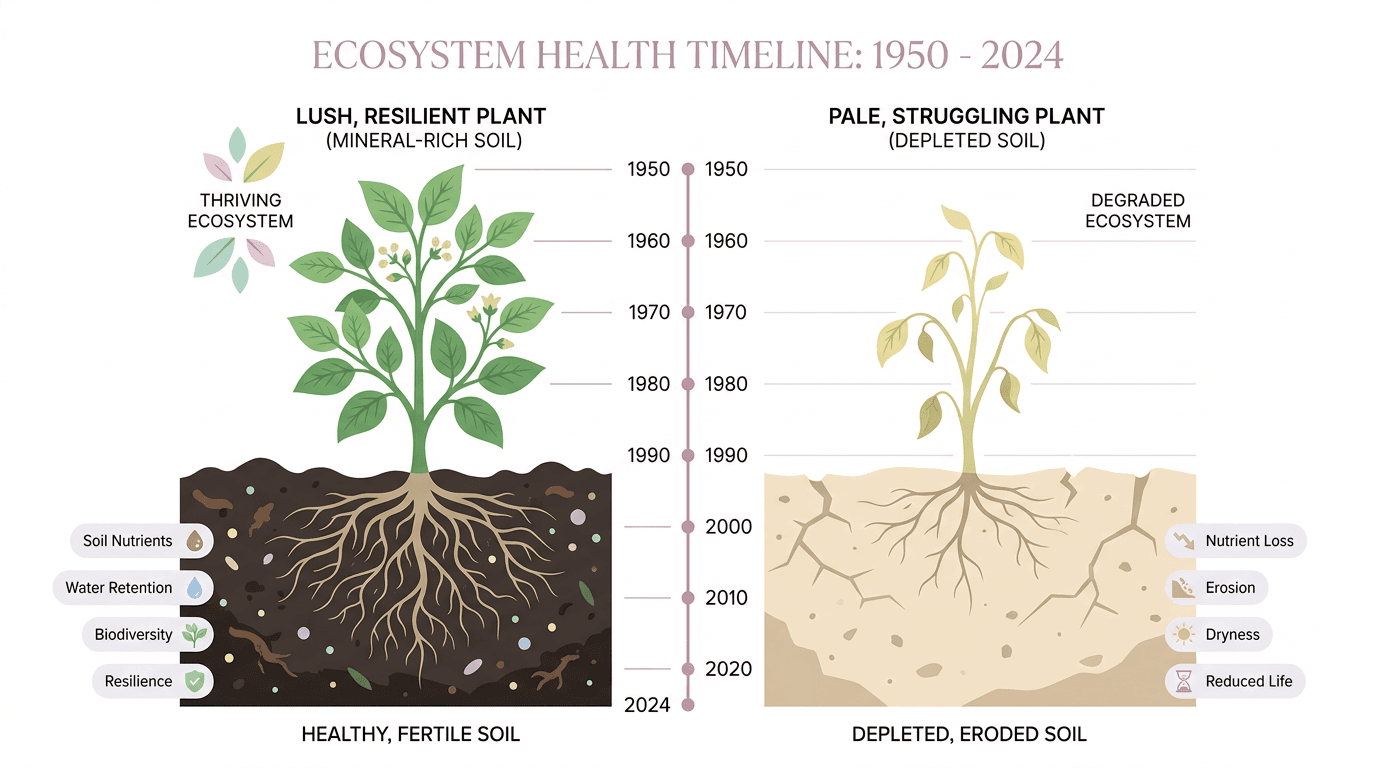
To understand why magnesium water has become the obsession of the biohacking community and wellness enthusiasts alike, we must first address the "Agricultural Exhaustion" that has redefined our food chain. In the mid-20th century, the fruits and vegetables on our tables were naturally rich in magnesium, drawn from deep, mineral-dense soil. Today, due to intensive monocropping and the widespread use of glyphosate—which acts as a mineral chelator—the magnesium content in our produce has plummeted by as much as 40%.
Simultaneously, our water sources have undergone a sterile transformation. Modern municipal water treatment and the rise of Reverse Osmosis (RO) filtration systems are marvels of hygiene, effectively removing pathogens and heavy metals. However, they are also "indiscriminate cleaners," stripping away the naturally occurring electrolytes and minerals that our ancestors consumed daily from spring sources. According to the World Health Organization (WHO), an estimated 60% to 75% of adults do not meet the daily recommended intake for magnesium. We are, quite literally, living in a state of chronic mineral thirst, even as we carry our high-tech water bottles everywhere we go. Magnesium water isn't just a supplement; it's an attempt to restore the biological baseline that industrialization took away.
The Chemistry of Calm: The Bioavailability of Bicarbonate
Not all magnesium is created equal. If you’ve ever browsed the supplement aisle, you’ve seen the dizzying array of options: oxide, citrate, glycinate, malate. While each has its place, the "Magnesium Water" movement specifically prizes Magnesium Bicarbonate. Unlike the solid pills that must be broken down by stomach acid—a process that is often inefficient and can cause digestive distress—magnesium bicarbonate exists only in liquid form.
When magnesium hydroxide (often sourced from high-purity salts) reacts with carbon dioxide in water, it creates a highly bioavailable solution. Because it is already dissolved, it bypasses the "digestive tax" and enters the bloodstream with remarkable speed. This specific form mimics the mineral-rich waters found in the world’s most famous "healing springs."
"Magnesium is the gatekeeper of the NMDA receptor, which controls the flow of calcium into our neurons. Without enough magnesium, the gates stay open, leading to neuronal over-excitation and the feeling of 'wired but tired' that defines the modern burnout." — Dr. Carolyn Dean, author of The Magnesium Miracle.
The neurological impact is profound. By regulating the HPA (Hypothalamic-Pituitary-Adrenal) axis, magnesium water helps to dampen the cortisol response. It acts as a natural "brake" for the nervous system, encouraging the production of GABA, the neurotransmitter responsible for relaxation and sleep. This is why the viral "Sleepy Girl Mocktail"—a combination of tart cherry juice and magnesium-infused water—has resonated so deeply. It isn't magic; it’s the application of basic neurochemistry to a nighttime ritual.
The Multi-System Benefits: From Mitochondria to Muscle
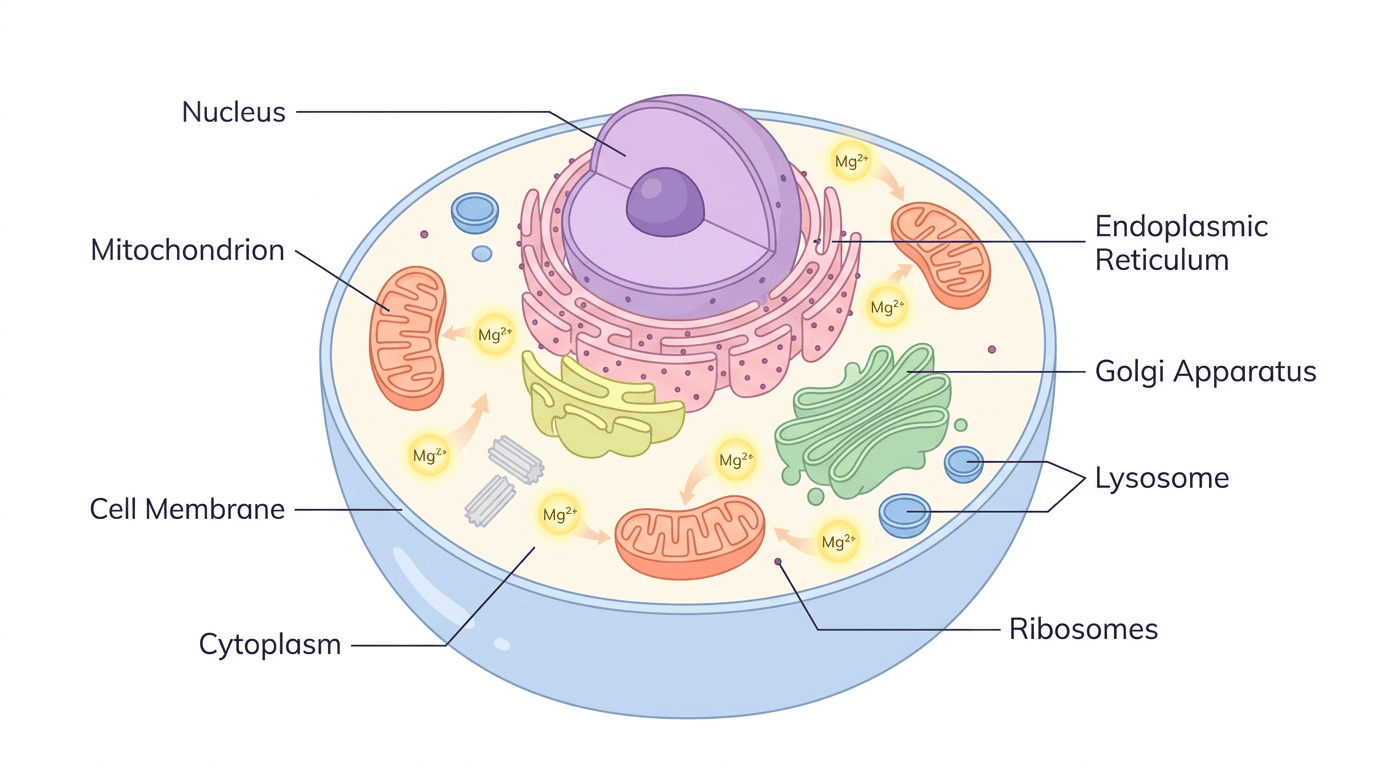
The benefits of magnesium-rich hydration extend far beyond a good night’s sleep. To drink magnesium water is to provide fuel for your mitochondria, the powerhouses of your cells. Magnesium is a mandatory co-factor for the production of ATP (Adenosine Triphosphate), the universal energy currency of life. Without it, you aren't just tired; your cells are literally struggling to produce the energy required for basic maintenance.
- Cardiovascular Resilience: Magnesium helps maintain the electrical rhythm of the heart and prevents the calcification of arteries by balancing calcium levels.
- Insulin Sensitivity: Research published in the journal Diabetes Care suggests that higher magnesium intake is associated with improved insulin sensitivity and a lower risk of Type 2 diabetes.
- Athletic Recovery: For those in the fitness community, magnesium water is a game-changer for reducing lactic acid buildup and preventing the muscle cramping that often follows high-intensity interval training (HIIT).
- Bone Density: While calcium gets all the marketing, magnesium is essential for the structural integrity of the bone matrix and the activation of Vitamin D.
The DIY Lab: Crafting "Waller Water" at Home
While premium brands have made magnesium water more accessible, there is a fascinating DIY movement centered around "Waller Water"—a recipe named after a researcher who sought to recreate high-alkaline magnesium bicarbonate at home.
The process is a masterclass in kitchen chemistry. It involves taking a chilled bottle of plain carbonated water (seltzer) and adding a precise amount of magnesium hydroxide (often in the form of additive-free Milk of Magnesia). When the bottle is shaken and left to react, the cloudy mixture turns crystal clear as the magnesium hydroxide transforms into magnesium bicarbonate.
The Basic DIY Protocol:
- Chill a 1-liter bottle of plain carbonated water (must be cold to hold the CO2).
- Add 3 tablespoons (45ml) of plain, unflavored Milk of Magnesia (ensure it contains only magnesium hydroxide and purified water).
- Replace the cap immediately and shake vigorously for 30 seconds.
- Let it sit in the refrigerator for 30 minutes. The water will clear, and the plastic bottle may slightly "crush" inward as the gas is absorbed.
- This creates a "concentrate." You don't drink this straight; you add 1/4 cup of this mixture to your regular drinking water throughout the day.
The HootFinds Buyer’s Guide: The Best Magnesium Water Products
If you aren't interested in playing chemist in your kitchen, the market has responded with some incredible, high-performance options. Here are the top-tier selections for those looking to upgrade their hydration stack:
- – This is the "lifestyle" entry into the space. It combines magnesium L-threonine (noted for its ability to cross the blood-brain barrier) with adaptogens like L-theanine and lemon balm. It’s the perfect afternoon "reset" drink.
- – For the purists, this is a professional-grade concentrate. It is modeled after the Waller Water formula but produced in a controlled lab environment to ensure maximum potency and purity.
- – A powerhouse for athletes. This liquid concentrate features ionic trace minerals sourced from the Great Salt Lake, with a heavy emphasis on magnesium. A few drops in your gym bottle can prevent the "mineral crash" during long workouts.
- – Known for its high concentration of bicarbonate, this is an excellent choice for those focusing on gut health and systemic alkalinity.
- – While technically a powder that you mix yourself, it creates a fizzy, magnesium-citrate beverage that has been a staple in the wellness community for years. It’s an accessible, cost-effective way to start.
- – This is often cited as the gold standard by health optimization experts. It is a highly stable, high-concentration magnesium bicarbonate liquid that is designed to be added to distilled or RO water to "revive" it.

Future Flow: The Integration of Mineralized Living
The move toward magnesium water is symptomatic of a larger shift in the "Bio-Optimization" movement. We are moving away from the "sledgehammer" approach to health—massive doses of caffeine, heavy stimulants, and aggressive pharmaceuticals—and toward a "fine-tuning" approach. We are beginning to understand that the "ghost in the machine" (our nervous system) functions best when its basic electrolytic needs are met with precision.
Integrating magnesium water into your life isn't just about a single drink; it's about a rhythm of replenishment. It’s about understanding that every time we sweat, every time we experience stress, and every time we consume sugar or alcohol, we are "spending" our magnesium reserves.
As we look toward the future of wellness, expect to see magnesium water become as ubiquitous as protein shakes were in the 90s. We are entering an era where our beverages are expected to do more than just hydrate; they are expected to regulate, repair, and restore.
Conclusion: The Return to Liquid Vitality
In our pursuit of high-performance lives, we often overlook the most fundamental components of our biology. We chase complex supplements and expensive tech, yet we ignore the mineral foundation upon which all health is built. Magnesium water represents a return to form—a sophisticated, science-backed way to bridge the gap between our modern, depleted environments and our ancient, mineral-hungry bodies.
By choosing to mineralize your hydration, you are doing more than just drinking water; you are providing your nervous system with the silence it needs to recover, your heart with the rhythm it needs to thrive, and your cells with the spark they need to power your day. It is time to stop drinking "empty" water and start feeding the internal sea that sustains us. The mineral renaissance is here, and it’s as clear and refreshing as a glass of cold, sparkling magnesium water.
Common Questions
🤔
Frequently Asked Questions
What is magnesium water and how does it support cellular hydration?▼
Magnesium water is water that contains dissolved magnesium, a mineral essential for more than 300 enzymatic reactions in the body. As a highly bioavailable form of magnesium, it can support energy production, sleep, and nervous system function as you hydrate. By delivering magnesium through drinking water, it helps address mineral gaps created by modern soils and filtration practices.
Why is modern water often magnesium-deficient, and how does magnesium water help?▼
Modern RO filtration and municipal water treatment remove minerals, including magnesium, while agricultural practices like monocropping and glyphosate use reduce magnesium in soil. This combination creates a widespread mineral deficit, even for people who drink plenty of water. Magnesium water provides a practical way to replenish this essential mineral during daily hydration.
How does RO filtration affect mineral content and why consider magnesium water?▼
Reverse osmosis filtration is effective at removing contaminants but also strips away electrolytes and minerals from water. Because of this, even water that tastes clean may lack essential minerals like magnesium, prompting some people to seek mineral-enriched options.
What does the WHO say about magnesium intake and how can magnesium water help meet daily needs?▼
According to the World Health Organization, an estimated 60% to 75% of adults do not meet the daily recommended intake for magnesium. Magnesium water can help close part of that gap by providing a readily absorbable source of magnesium through hydration. This should complement, not replace, a balanced diet and other mineral sources.