Blog3/2/2026
Refurbished Tech: The Smart, Eco-Friendly Power Move
9 mins Read
The Briefing
Quick takeaways for the curious
Refurbished tech unlocks substantial cost savings by entering the depreciation sweet spot, delivering professional-grade hardware at consumer prices.
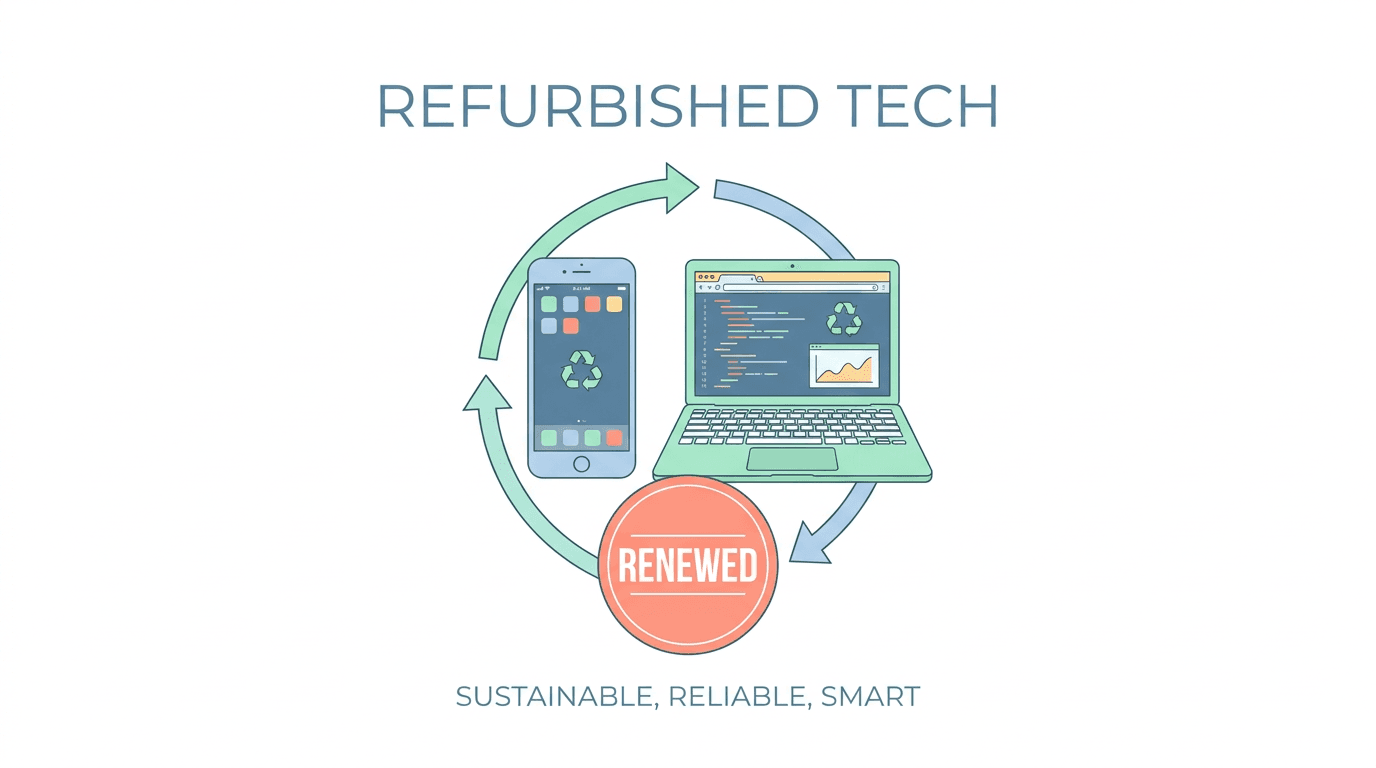
Choosing refurbished devices supports a circular economy by extending device lifecycles and reducing e-waste and environmental impact.
The refurbishment process goes beyond merely labeling devices as used; it involves rigorous testing, component replacement, certification, and warranties to ensure reliability.
For most users, refurbished tech delivers near-new performance for a fraction of the price, making smart budgeting and performance alignment achievable without chasing the latest model.
Maximizing value requires evaluating warranty length, refurbishment standards, seller credibility, battery health, and return policies to mitigate risk and ensure long-term satisfaction.
Beyond the Box: Why Refurbished Tech is the Ultimate Power Move for Your Wallet and the Planet
We are currently trapped on a relentless upgrade treadmill. Every September, a sleek stage in Cupertino or a glitzy event in Seoul signals that the devices currently in our pockets—devices that were "revolutionary" just twelve months ago—are now supposedly relics of a bygone era. This culture of the "New" has created a frantic, expensive, and environmentally taxing cycle of consumption. We’ve been conditioned to believe that a scratch on the casing or a previous owner somehow diminishes the magic of the silicon inside. But a quiet revolution is taking place in the secondary market, one that is stripping away the stigma of "used" and replacing it with the sophistication of "renewed." Choosing refurbished tech isn't just a way to save a few hundred dollars; it is a calculated rebellion against planned obsolescence. It is the realization that the peak of technological utility doesn’t always reside in the latest model, but in the intelligent intersection of high performance, radical value, and ecological responsibility. By opting for a professionally restored device, we aren't just buying a gadget; we are participating in a circular economy that values engineering over artifice.
The Depreciation Trap: Why "New" is a Bad Investment
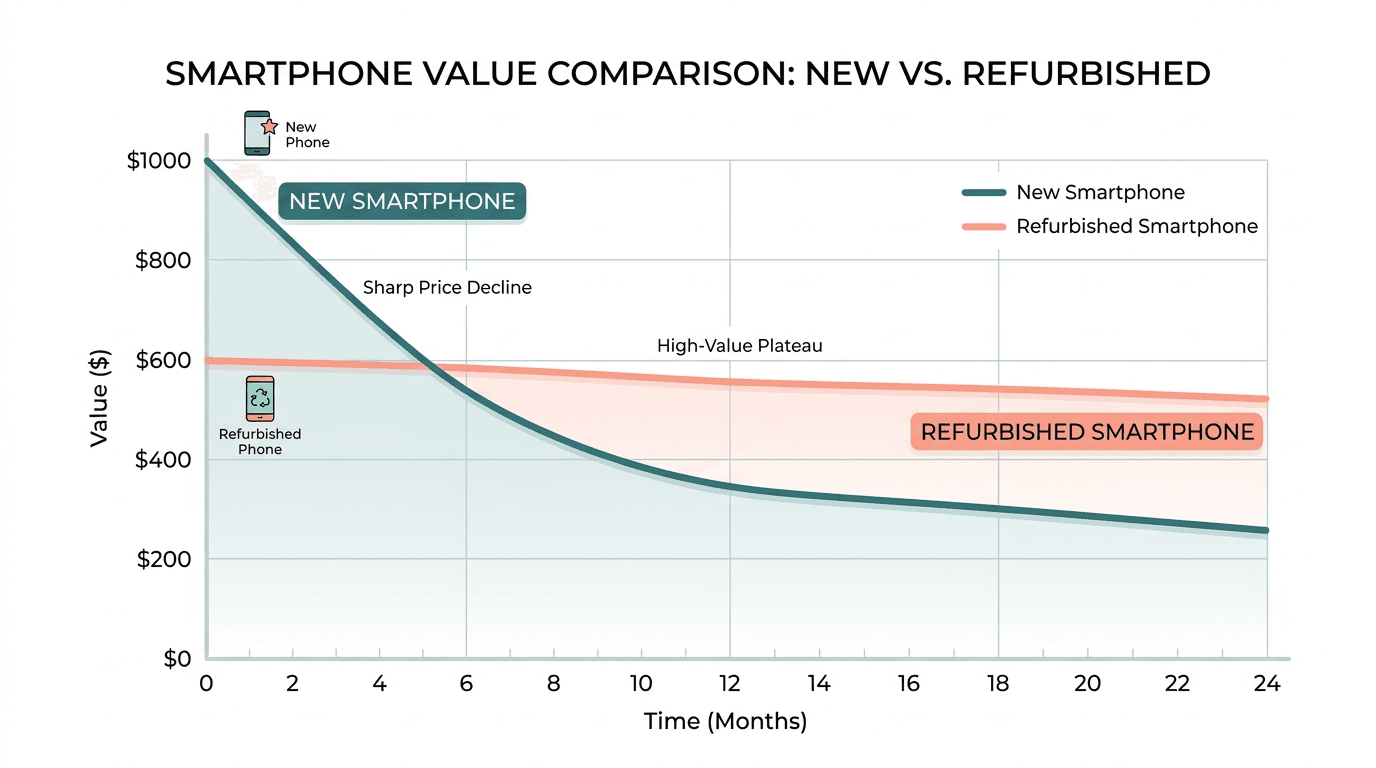
In the world of personal finance, there is a well-known adage about new cars: the moment you drive one off the lot, its value plummets by 20%. The tech world suffers from an even more aggressive version of this phenomenon. A flagship smartphone or a high-end workstation loses a massive chunk of its market value the second the plastic wrap is breached. However, unlike a car, where mechanical wear and tear are visible and visceral, a high-end laptop or tablet from two years ago often performs identically to this year's model for 95% of user tasks.
The "performance plateau" is a real scientific trend. In the early 2010s, the jump from one generation of processors to the next felt like a leap from a horse-and-buggy to a jet engine. Today, those gains are incremental. Most of us are using "overkill" tech—buying $1,200 phones to scroll through social media and $2,000 laptops to write emails. When you buy refurbished, you are essentially letting someone else pay the "luxury tax" of the first owner. You are stepping in at the "Sweet Spot" of the depreciation curve, acquiring professional-grade hardware at consumer-grade prices.
The Anatomy of a Refurbishment: It’s Not Just "Used"
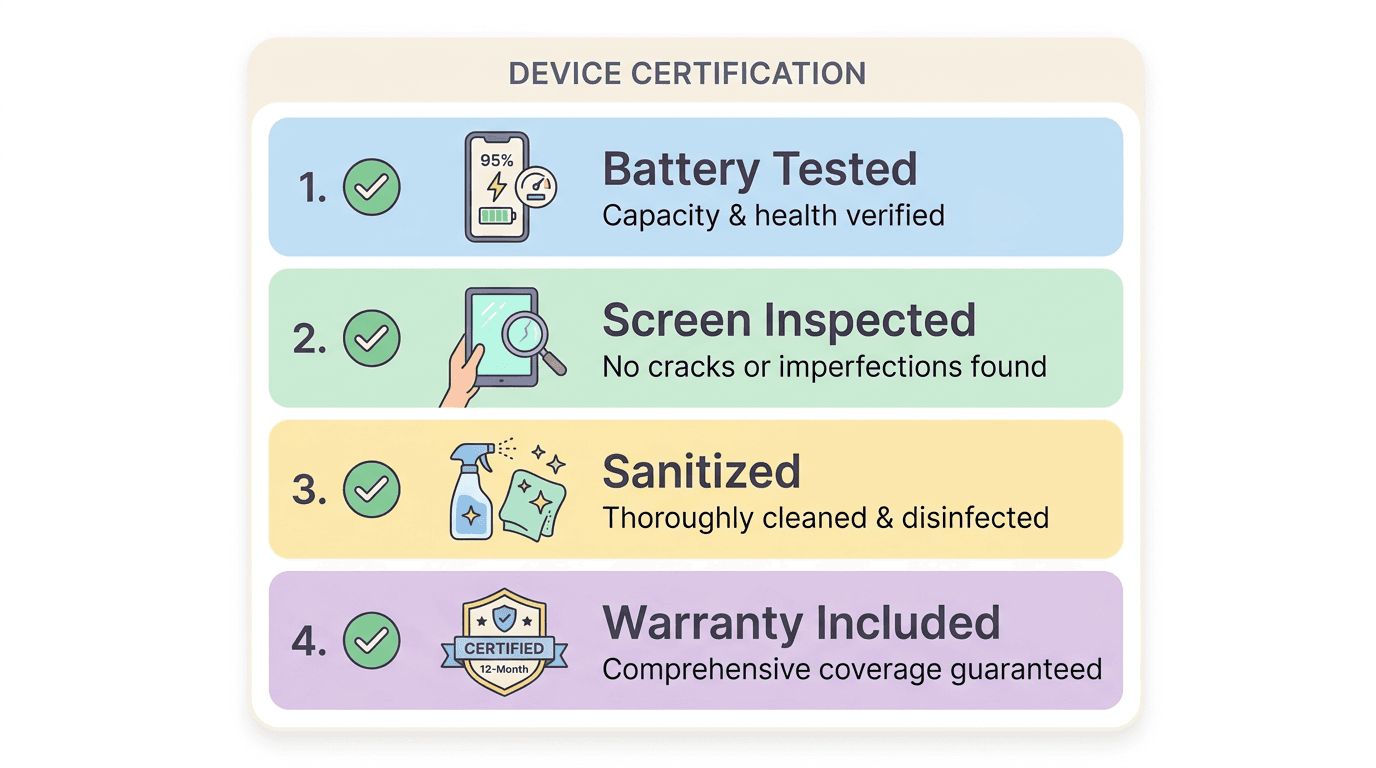
One of the greatest hurdles in the refurbished market is the linguistic confusion between "used" and "refurbished." A used device is a gamble; it’s a peer-to-peer transaction on a digital marketplace with no guarantees. A refurbished device, however, undergoes a rigorous, multi-point industrial process. When a reputable vendor takes in a device, it is subjected to a battery of tests that would put most factory quality-control lines to shame.
The process typically involves:
- Full Diagnostic Testing: Checking every sensor, button, pixel, and port.
- Battery Health Restoration: Most premium refurbishers replace batteries if they fall below 80-90% of their original capacity.
- Deep Sanitization: Not just a wipe-down, but an ultrasonic cleaning of ports and crevices.
- Component Repair: Replacing cracked screens or faulty keyboards with OEM (Original Equipment Manufacturer) or high-quality equivalent parts.
- Software Re-imaging: Wiping all data and installing a fresh, bloatware-free operating system.
"The circular economy is not just about recycling; it's about extending the life of products to their absolute limit. Refurbishment is the highest form of that endeavor, preserving the massive energy investment already made in the manufacturing process." — Dr. Martin G. Schmidt, Circular Systems Researcher.
The Environmental Toll: The Ghost in the Machine
The true cost of our "new every year" habit isn't reflected on our credit card statements; it's reflected in the Earth's crust. According to the Global E-waste Monitor, the world generated 53.6 million metric tons of electronic waste in 2019 alone, and that number is projected to hit 74 million tons by 2030.
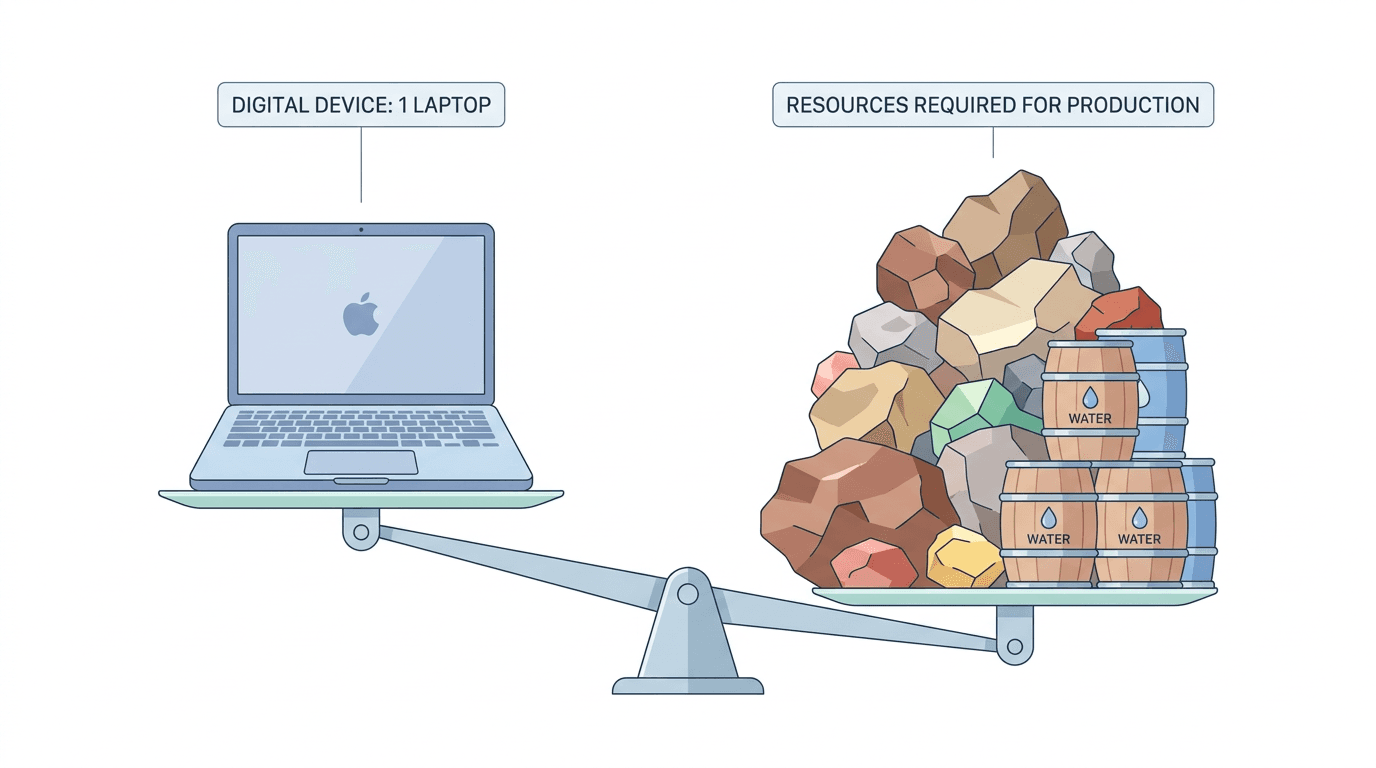
The manufacturing of a single new laptop requires roughly 1,200 kilograms of earth to be mined for minerals like lithium, cobalt, and copper. It also consumes about 190,000 liters of water. When you purchase a refurbished device, you are effectively "canceling" the carbon footprint of a new manufacture. You are preventing a perfectly functional piece of engineering from ending up in a landfill in Ghana or India, where it would eventually leak heavy metals into the groundwater. By extending the life of a MacBook or a ThinkPad by just three years, we can reduce its total carbon footprint by nearly 50%.
Decoding the Grades: How to Shop Like a Pro
When browsing for refurbished tech, you will encounter a grading system (A, B, or C). Understanding this is key to managing your expectations and maximizing your savings.
- Grade A (Excellent/Mint): These devices are virtually indistinguishable from new. They may be open-box returns or corporate leases that spent their lives in a docking station. Expect zero scratches on the screen and perhaps a microscopic blemish on the casing.
- Grade B (Very Good): This is the "Value King" category. These devices will have minor cosmetic wear—perhaps a light scratch on the back or a small scuff on the corner. However, the screen is usually clear, and the internal hardware is 100% functional.
- Grade C (Fair): These are the workhorses. They have visible wear, "shiny" keys, or noticeable scratches. These are perfect for kids, workshops, or anyone who plans on putting their device in a heavy-duty case anyway.
Pro-Tip: Always look for a "Certified Refurbished" label from the manufacturer itself (like Apple or Dell) or a reputable third-party seller that offers at least a 12-month warranty. If there’s no warranty, it’s not refurbished—it’s just used.
The HootFinds Buyer’s Guide: Top Picks for the Smart Consumer
If you're ready to make the jump, here are the best-performing refurbished products currently on the market. These devices have reached a level of "peak engineering" where the refurbished version offers almost 100% of the utility of the new version for a fraction of the cost.
1. The Productivity Powerhouse:
The transition to Apple Silicon was a generational leap. Even though there are newer M2 and M3 models, the M1 MacBook Air remains a performance beast with incredible battery life. Finding this "Renewed" is perhaps the best value in all of computing right now. It handles 4K video editing and heavy multitasking with ease, and because it has no fan, it’s completely silent.
2. The Photographer’s Choice:
While the iPhone 15 and 16 grab the headlines, the 13 Pro was the first to introduce the 120Hz ProMotion display and a truly professional-grade triple-camera system. Buying this refurbished allows you to access "Pro" features—like the telephoto lens and Macro photography—for the price of a base-model budget phone.
3. The Ultimate Tablet:
The iPad Pro hardware has been "ahead of its time" for years. A refurbished 2nd or 3rd generation Pro still outperforms almost every other tablet on the market. With its USB-C port and Apple Pencil support, it is a creative's dream that feels identical to the current model in daily use.
4. The Audiophile’s Bargain:
Sony’s noise-canceling technology is legendary. While the XM5 is the newer model, many enthusiasts actually prefer the XM4 because it folds into a more compact shape. Refurbished units often come with fresh ear pads, giving you world-class silence for a mid-range price.
5. The Corporate Workhorse:
If you need a Windows machine, the ThinkPad X1 Carbon is the gold standard for build quality. These are built to military specifications. A refurbished Gen 9 model offers one of the best keyboards in the world and a ruggedness that modern "budget" laptops simply cannot match.
6. The Smartwatch Entry Point:
The Series 7 introduced the larger, edge-to-edge display that the Series 8 and 9 still use. Since the internal health sensors (ECG, Blood Oxygen) are largely the same, buying a refurbished Series 7 is the smartest way to enter the Apple ecosystem without the "new product" surcharge.
The Psychology of the Second Life
There is a unique satisfaction that comes from using a refurbished device. It’s the "Antiques Roadshow" effect—knowing that you possess something of high quality that you acquired through cleverness rather than brute-force spending. When we stop viewing tech as a status symbol and start viewing it as a tool, the allure of the "unboxing" fades, and the utility of the "performance" takes center stage.
We are entering an era of "Conspicuous Conservation." In certain tech circles, carrying a perfectly maintained, five-year-old ThinkPad or an older iPhone with a replaced battery is becoming a badge of honor. It signals that the user understands the technology, respects the engineering, and isn't swayed by the marketing department's latest siren song. It shows a level of technical literacy—the ability to look past the shiny exterior and see the "Living Matrix" of the hardware inside.
Final Thoughts: Plugging Back Into Reality
The choice to buy refurbished is a rare "win-win-win." You win by keeping more of your hard-earned money. The planet wins by avoiding the trauma of unnecessary mining and e-waste. And the tech industry wins by being forced to reckon with the fact that consumers are becoming more sophisticated, demanding longevity over novelty.
As we move forward into an increasingly digital future, our relationship with our devices must evolve. We can no longer afford to treat high-performance electronics as disposable fashion accessories. The next time you feel the itch for an upgrade, don't look toward the bright lights of the flagship store. Look toward the "Renewed" section. You might find that the "old" device you're looking for is actually the most forward-thinking choice you can make. After all, the most advanced piece of technology is the one that serves your life perfectly, without costing the Earth its future.
Common Questions
🤔
Frequently Asked Questions
What is the difference between refurbished and used devices?▼
Refurbished devices come from professional refurbishments that test, repair, and replace faulty parts, and they are re-packaged with warranties. They are restored to near-original performance through quality controls. By contrast, 'used' simply means the device was previously owned, with no standardized checks or guarantees.
How can I tell if a refurbished device is a good value?▼
Look for certified refurbishment from reputable sellers and a solid warranty. Check battery health, screen condition, and remaining specs to ensure they meet your needs. Compare total cost of ownership against a new or older model, and review the return policy and customer reviews.
Are refurbished devices reliable enough for daily work and long-term use?▼
Yes, for most everyday tasks refurbishment can restore performance to near-original levels through tested components and quality controls. Warranties provide protection against defects, adding peace of mind. For demanding tasks or cutting-edge features, verify specs and battery health before purchase.
What should I look for in a warranty or return policy when buying refurbished tech?▼
Look for a clear warranty period and coverage for hardware failures. Confirm what is included (battery, screen, motherboard) and whether batteries are replaced during refurbishment. Check the return window and the process for filing a claim or returning the device, as well as exclusions and any restocking fees.