
Blog3/3/2026
Regenerative Travel: From Sustainability to Ecosystem Renewal
9 mins Read

The Briefing
Quick takeaways for the curious
Regenerative travel treats destinations as living ecosystems and aims to leave them better off than found, rather than merely minimizing harm.
It marks a shift from 'green' sustainability to proactive regeneration, asking how traveler presence can contribute to ecological and cultural revival.
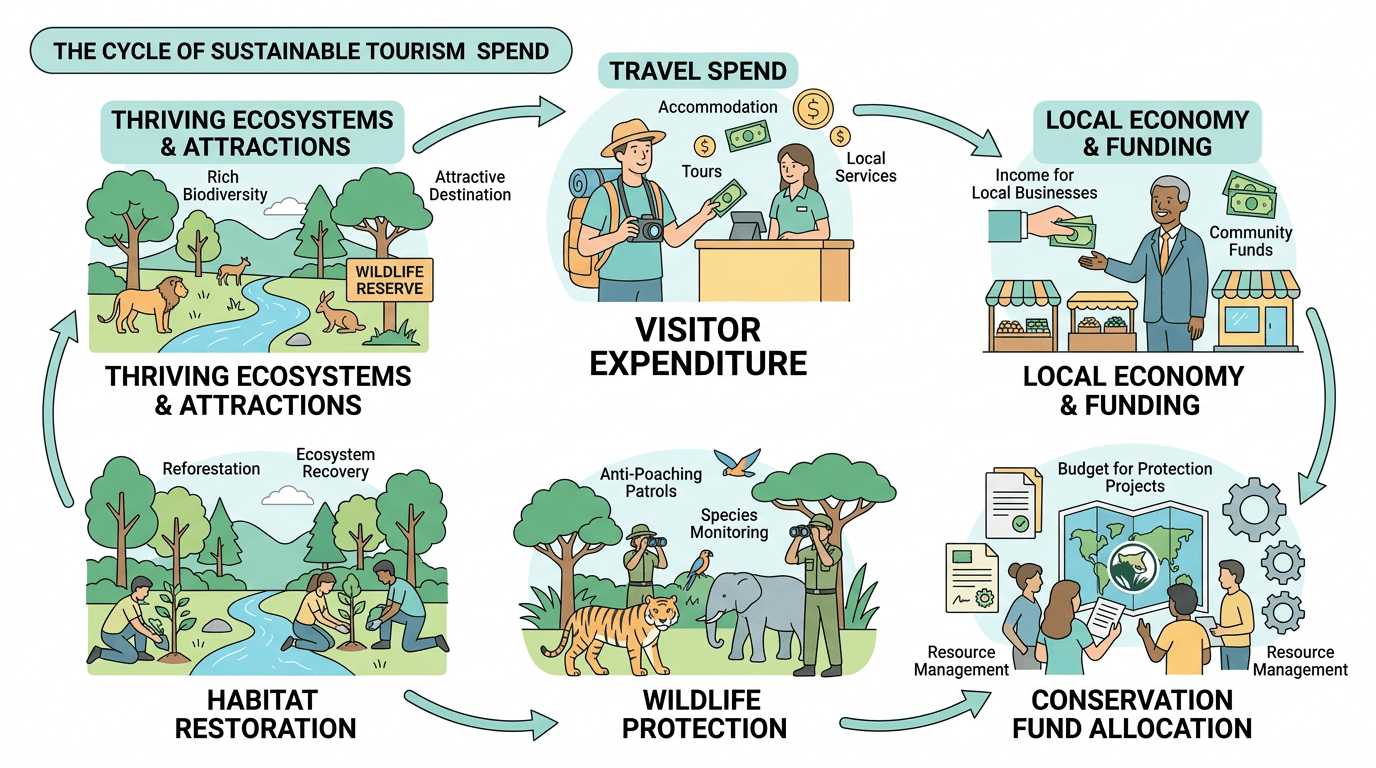
The approach emphasizes local economic participation by supporting locally-owned lodges, community-led conservation, and revenue reinvestment in local reforestation and social programs.
Regenerative travel borrows permaculture and indigenous wisdom to design journeys that restore soil, forests, and community sovereignty, not just reduce footprints.
By focusing on Community Wealth Building, regenerative travel aims to reverse leakage and ensure tourism benefits stay within the destination.
The Alchemy of the Journey: Beyond Sustainability into the Era of Regenerative Travel
For decades, the global traveler has been an inadvertent colonizer of experiences. We have treated the world as a sprawling, infinite buffet—a collection of "bucket list" checkpoints to be consumed, photographed, and discarded. We operated under the extractive logic of the 20th century: take the flight, stay in the air-conditioned box, eat the imported breakfast, and leave behind a trail of carbon and plastic. When the concept of "Sustainable Travel" emerged, it was a necessary olive branch to a planet in distress. It taught us to "leave no trace" and to minimize our footprint. But in an era of accelerating climate change and social fragmentation, merely "doing no harm" is no longer a sufficient ambition. To be a sustainable traveler is to aim for a net-zero impact—to be a ghost in the machine. But to be a Regenerative Traveler is to become a vital part of the ecosystem itself. It is the sophisticated realization that our presence should not just be neutral; it should be restorative. It is the shift from being a spectator of the world to being a steward of its rebirth.
The Great Transition: Why "Green" is Just the Beginning
The fundamental flaw of sustainability is that it seeks to maintain a status quo that is already broken. If you have a degraded forest, sustaining it simply keeps it degraded. Regenerative travel, however, borrows its philosophy from permaculture and indigenous wisdom. It views a destination not as a product, but as a living organism. When we engage in regenerative travel, we are asking a radical question: How can my presence here leave this place better than I found it? This isn't just about picking up trash on a beach; it's about a holistic integration into the local economy, ecology, and culture.
According to the United Nations Environment Programme, for every $100 spent by a tourist in a developing country, only about $5 actually stays in the local community. This "leakage" is the hallmark of extractive tourism. Regenerative travel seeks to reverse this flow. It prioritizes locally-owned lodges, community-led conservancies, and carbon-negative transport. It’s the difference between staying at a multinational resort chain and booking a stay at a B-Corp certified ecolodge that uses guest fees to fund local reforestation projects. We are moving from a "me-centric" vacation to a "we-centric" voyage.

The Socio-Economic Blueprint: Investing in Community Sovereignty
At the heart of regenerative travel is the concept of Community Wealth Building. When we travel, we are often blissfully unaware of the socio-economic ripples we create. A regenerative approach demands that we look under the hood of our itinerary. This means seeking out "Social Enterprises"—businesses that exist to solve a social or environmental problem.
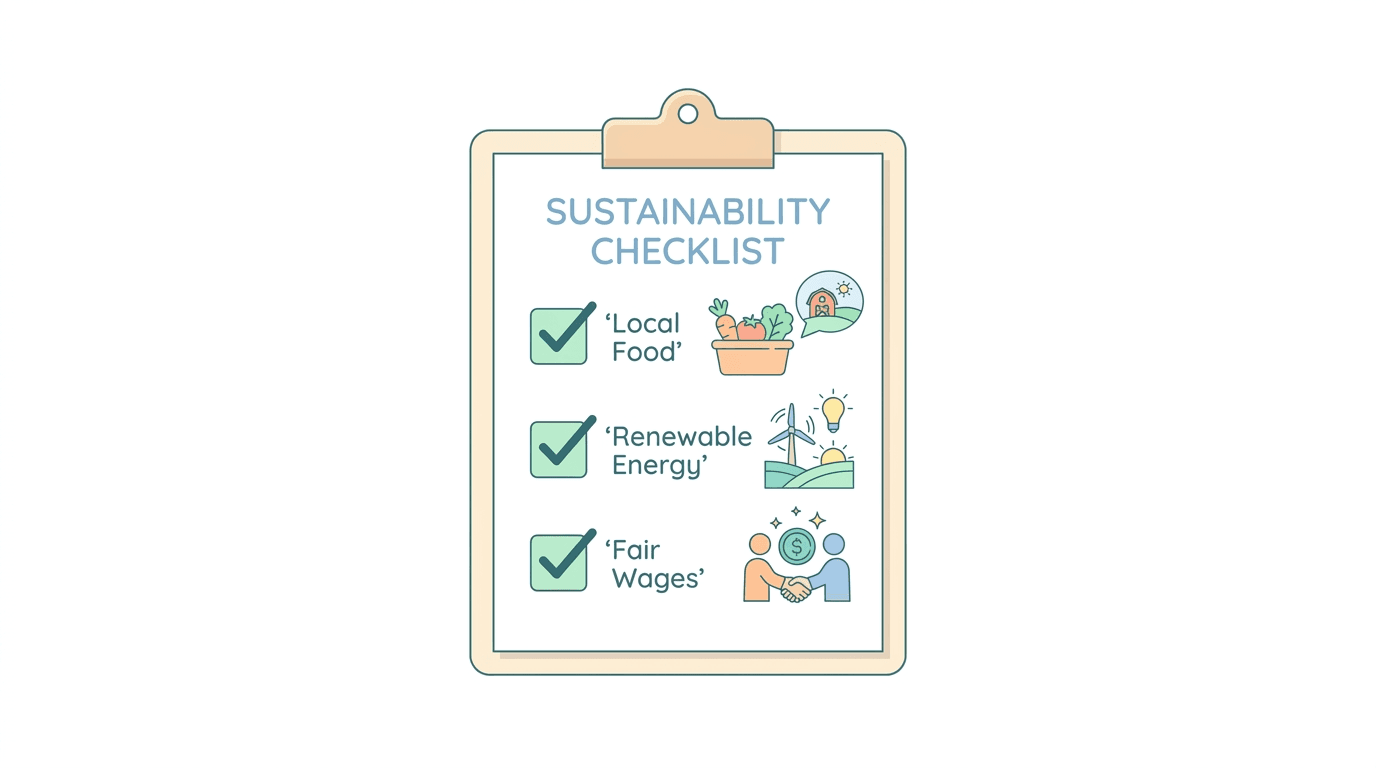
Think of the "Slow Food" movement, but applied to your entire journey. By choosing to eat at restaurants that source 100% of their ingredients from indigenous farmers, you aren't just getting a fresher meal; you are reinforcing the financial resilience of that soil and those people. You are helping to preserve traditional agricultural techniques that might otherwise be lost to industrial monocropping.
"Regenerative travel is not a niche or a trend; it is the next stage in the evolution of our industry. It requires us to move beyond the 'do no harm' mindset and actively work to heal the places we visit, ensuring they thrive for generations to come." — Anna Pollock, Founder of Conscious Travel
This stewardship extends to cultural preservation. In many parts of the world, tourism has a tendency to "Disney-fy" culture, turning sacred rituals into dinner theater. Regenerative travel seeks authentic exchange. It values the preservation of language, craft, and oral history by ensuring that the people who own that culture are the ones who profit from its sharing.
Rewilding the Itinerary: Ecological Restoration as an Amenity
If the 2010s were the decade of the "Infinity Pool," the 2020s are the decade of the "Biodiversity Corridor." We are seeing a surge in travel experiences that are built around the concept of Rewilding. This is where science meets luxury. Imagine a safari where your "game drive" involves helping a biologist track endangered pangolins, or a coastal retreat where your morning ritual is assisting in the transplantation of heat-resistant coral fragments.
The data supports this shift. Research indicates that nature-based tourism is growing at a rate six times faster than the rest of the industry. People are craving a connection to the wild that is active rather than passive. We are beginning to understand that our psychological well-being is intrinsically linked to the health of the planet—a concept known as biophilia. When we participate in the restoration of a landscape, we experience a "pro-social" dopamine hit that no high-thread-count sheet can replicate. We aren't just seeing the world; we are helping to save it, one mangrove at a time.
The Regenerative Traveler’s Toolkit: Gear for the Conscious Nomad
To embark on a regenerative journey, one must be equipped with tools that reflect these values. The products we carry are an extension of our philosophy. We look for durability (to reduce waste), ethical manufacturing (to support fair labor), and innovative materials (to lower carbon footprints).
The Buyer’s Guide to Regenerative Gear:
- : A masterclass in circular design, this bag is made from 100% recycled body fabric, lining, and webbing. Patagonia’s commitment to repairability ensures this isn't just a purchase; it's a lifetime investment that keeps gear out of landfills.
- : The single greatest threat to local ecosystems is the plastic water bottle. The Grayl allows you to purify water from any sketchy tap, hotel sink, or murky river in seconds, eliminating the need for single-use plastics entirely.
- : As a certified B-Corp, Cotopaxi ensures that their supply chain supports workers' rights. The Allpa is designed for "one-bag travel," encouraging a minimalist, low-impact approach to movement.
- : For the ultra-lightweight hiker, this filter provides access to clean water while supporting LifeStraw’s program that provides a year of safe water to a child in need for every product sold.
- : Harnessing the power of the sun to keep your navigation and emergency tools charged reduces your reliance on local power grids, which in many developing regions are still heavily reliant on coal or diesel.
- : Transitioning from liquid toiletries to bar soaps and shampoos is a major win for the environment. This case uses proprietary technology to let your soap dry through the fabric while remaining leakproof.
- : Made from recycled silicone and aluminum, and shipped in plastic-free packaging, Nimble represents the future of "tech for good," including a recycled tech scrap program with every purchase.
Navigating the Ethics: How to Spot Genuine Impact
As with any powerful movement, "Regenerative Travel" is at risk of being co-opted by marketing departments. Greenwashing is the practice of making a business seem more environmentally friendly than it actually is. To avoid the trap, the modern explorer must become a bit of a detective.
Look for third-party certifications that have "teeth." Organizations like The Long Run, Global Ecosphere Retreats, and B-Corp have rigorous auditing processes that look at everything from carbon sequestration to gender pay gaps within the staff. A truly regenerative lodge will be transparent about its impact; they will have a "sustainability report" that is more than just a PDF of pretty pictures—it will contain hard data on water usage, waste diversion, and local employment statistics.
Furthermore, consider the Carbon Insetting vs. Carbon Offsetting model. While offsetting involves buying credits to plant trees elsewhere, "insetting" means the travel provider is investing in carbon reduction within their own supply chain or immediate community. This creates a direct, visible benefit to the very place you are visiting.
The Psychology of Connection: Why We Travel Now
Ultimately, the shift toward regenerative travel is a response to the "loneliness epidemic" and the "nature deficit disorder" of the digital age. We have spent the last decade more connected to our screens than to our soil. Regenerative travel offers a cure. When you engage in a trip that requires you to slow down, to learn a local craft, or to contribute to a conservation effort, you are building relational capital.
You are no longer a "tourist" (someone who tours). You become a "guest." There is a profound psychological difference between these two states. A guest feels a sense of responsibility to their host; a guest listens more than they speak; a guest honors the house they are in. By adopting the mindset of a regenerative guest, we transform travel from a shallow pursuit of "likes" into a deep, soul-nourishing quest for meaning.
Key Concepts to Remember:
- Net-Positive Impact: Aiming to leave the environment and community better than before.
- The Leakage Effect: The percentage of tourism spend that leaves the local economy (aim to minimize this).
- Destination Stewardship: The process by which communities and explorers manage a place to maintain its natural and cultural integrity.
- Slow Travel: Prioritizing quality of connection over quantity of destinations.
Conclusion: The Future is Not a Destination, But a Way of Going
The era of the "unconscious consumer" is drawing to a close. We are awakening to the reality that every dollar we spend is a vote for the kind of world we want to inhabit. Travel is one of the most powerful tools for global redistribution of wealth and ecological healing, provided it is steered by intention rather than impulse.
Regenerative travel is an invitation to fall back in love with the world—not as a backdrop for our lives, but as the very foundation of our existence. It asks us to be brave enough to slow down, to be humble enough to learn, and to be generous enough to give back. As we pack our bags for the next adventure, let us not ask what the world can offer us, but what we can offer the world. The most beautiful souvenir you can bring home isn't a trinket or a photo; it’s the knowledge that because you were there, a forest is growing, a tradition is thriving, and a community is stronger. That is the true power of the regenerative journey. Where will your footprint heal next?
Common Questions
🤔
Frequently Asked Questions
What is regenerative travel and how does it differ from sustainable travel?▼
Regenerative travel aims to leave places better than found by integrating into local ecosystems, economies, and cultures, rather than merely minimizing harm or maintaining the status quo. It promotes restorative actions such as supporting locally-owned businesses, funding reforestation, and choosing providers that actively contribute to community resilience. In contrast, sustainable travel focuses on reducing negative impacts to reach a net-zero or neutral footprint without necessarily improving the system as a whole.
Why is regenerative travel important for local communities and biodiversity?▼
Regenerative travel seeks to reverse economic leakage by keeping more of tourist spending in the local economy and funding community-led initiatives. It prioritizes conservation and reforestation projects that restore habitats and biodiversity, while building local capacity and sovereignty. According to UNEP data quoted in the article, only about $5 of every $100 spent by tourists in developing countries tends to stay in the local community, highlighting why regenerative approaches matter.
How can travelers practice regenerative travel on a limited budget?▼
Prioritize stays with locally-owned lodges or community-based tourism that reinvests in local projects. Support conservancies and small operators that share profits with the community, rather than multinational chains. Choose lower-impact transport options when possible and allocate resources to experiences that deliver measurable local benefits, such as reforestation or conservation efforts.
What indicators signal a truly regenerative travel option?▼
Look for clear evidence of local ownership or governance in the operation, and transparent reporting on social and environmental outcomes. Regenerative options should actively fund or support local conservation, reforestation, and community wealth-building initiatives, with a track record of measurable, long-term impact rather than just marketing claims.