Blog3/2/2026
Low-Light Indoor Trees: Thrive in Dim Rooms with Ease
9 mins Read
The Briefing
Quick takeaways for the curious
Low-light indoor trees are not a death sentence for greenery; understory species have evolved to thrive in dim light and can form a resilient interior canopy when matched to space and care.
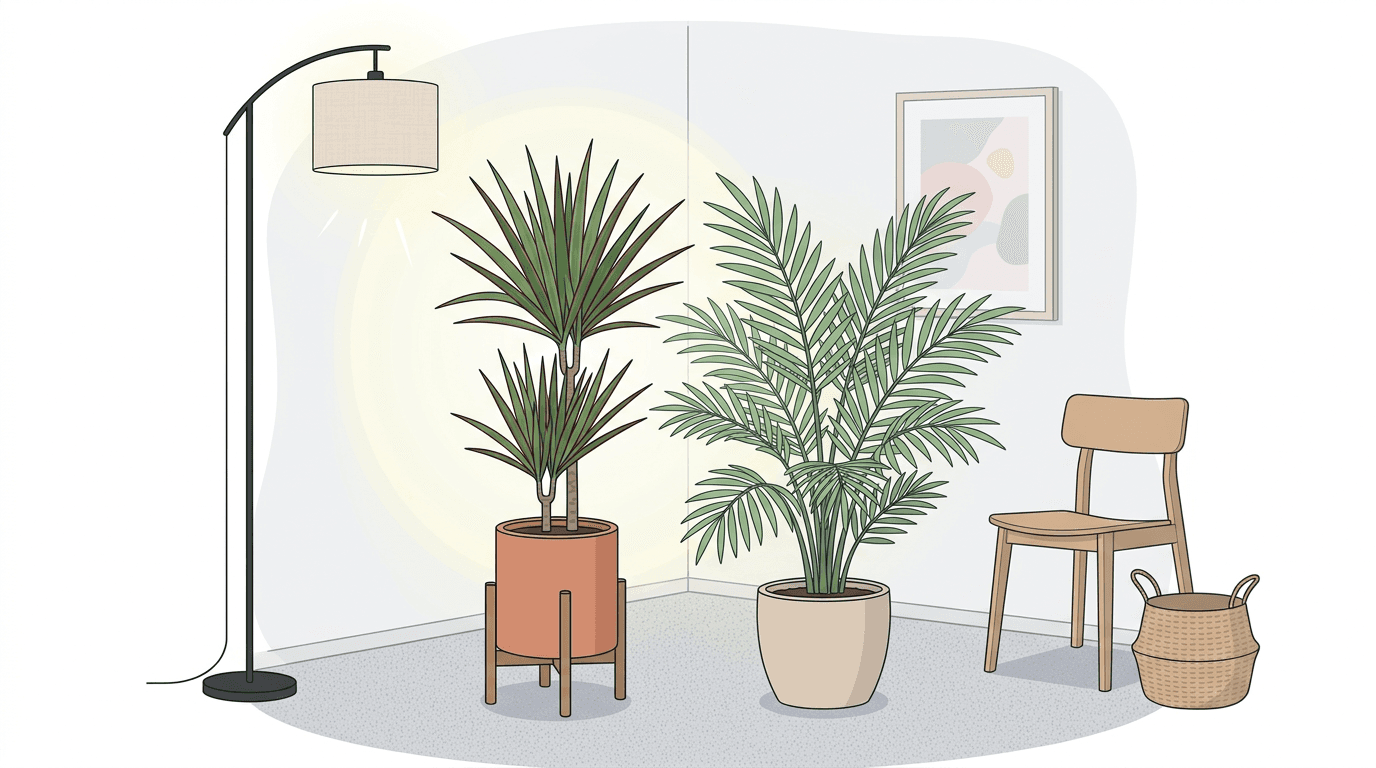
Understanding the Light Compensation Point helps you choose shade-tolerant species like Dracaena and Parlor Palm that can photosynthesize efficiently in low photon flux.
Care in low light hinges on deliberate placement, steady but modest light, proper watering, and rotation to promote even growth and prevent etiolation.
Leaf morphology matters: species with broad, thinner leaves and higher chlorophyll content capture scarce photons more efficiently and orient their leaves for maximum light interception.
In interior design terms, a healthy low-light tree is a living, slow-growing canopy piece that complements a space while adapting to seasonal light changes.
The Architectural Canopy: Mastering the Art and Science of Low-Light Indoor Trees
For the modern urbanite, the home is often a series of compromises. We trade square footage for location, and expansive floor-to-ceiling windows for the cozy, if somewhat dim, charm of a pre-war apartment or a north-facing studio. In these shadowed corners, the dream of an "indoor jungle" often hits a harsh botanical wall. We buy a fiddle-leaf fig because a lifestyle influencer told us to, only to watch it drop its leaves in a dramatic, expensive protest against the lack of direct Athenian sunlight. But the narrative that a dim room is a death sentence for greenery is a fundamental misunderstanding of evolutionary biology. In the wild, the forest floor is a place of perpetual twilight, where resilient, magnificent species have spent millennia perfecting the art of "low-light efficiency." To bring a tree into a low-light room is not to sentence it to a slow decline; it is to curate a specialized ecosystem. It is a transition from the frantic, high-maintenance demand of sun-hungry succulents to the stoic, slow-growing elegance of the understory canopy. By choosing trees that thrive in the shadows, we aren't just decorating a corner; we are integrating a living, breathing piece of the ancient forest into our personal sanctuary.
The Biological Blueprint: Understanding the Light Compensation Point
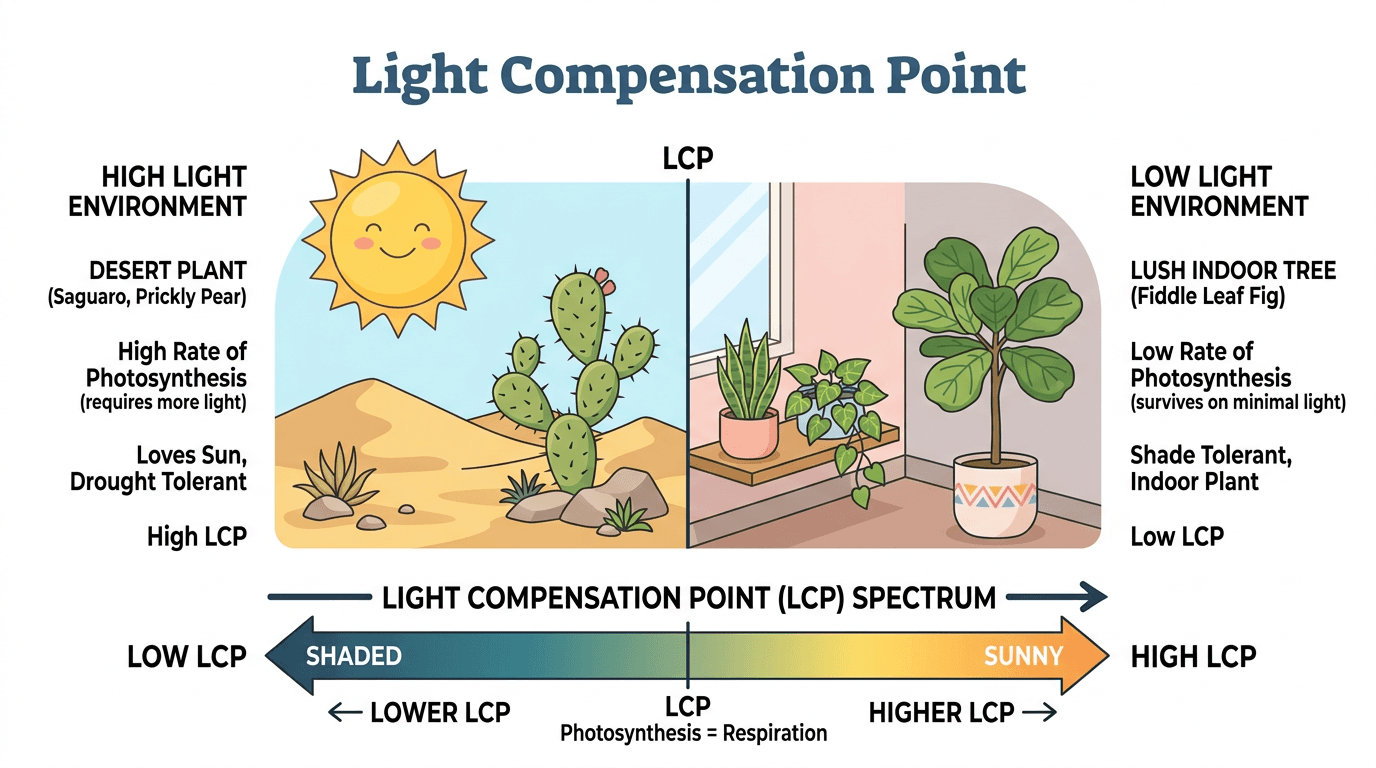
To successfully grow a tree in a dim corner, one must understand the "Light Compensation Point" (LCP). In botanical terms, this is the precise level of light intensity where the rate of photosynthesis (energy production) exactly matches the rate of respiration (energy consumption). When a tree is below its LCP, it is essentially starving to death in slow motion, consuming its own stored sugars to survive. Most "high light" trees, like citrus or certain ficus varieties, have a high LCP, meaning they need a constant flood of photons just to break even.
However, many species—particularly those native to the tropical rainforest floor—have evolved an incredibly low LCP. These plants have developed broader, thinner leaves with a higher density of chlorophyll to capture every stray photon that filters through the upper canopy. According to research published in the journal Frontiers in Plant Science, these "shade-tolerant" species also exhibit a unique plasticity in their leaf structure, orienting themselves to maximize light interception. When we bring a Dracaena or a Parlor Palm into our homes, we are utilizing millions of years of evolutionary engineering designed specifically for the low-photon environments of the deep woods.
The Sentinels of the Dim: Top Tier Low-Light Species
When we think of "indoor plants," we often think of small pots on windowsills. But the true "power move" in interior design is the indoor tree. These larger specimens provide verticality, architectural interest, and a sense of permanence. Here are the elite performers for the lower-light tiers of your home:
- The Dracaena Reflexa (Dragon Tree): Known for its sword-like leaves and sculptural stems, the Dracaena is the ultimate low-light workhorse. It is remarkably forgiving of neglect and can survive in "office light" conditions that would wither most other plants.
- The Chamaedorea Elegans (Parlor Palm): A staple of Victorian-era solariums, this palm earned its name because it could survive in the dark, drafty parlors of the 19th century. It grows slowly, maintaining its sophisticated, feathery silhouette for years without outgrowing its space.
- The Rhapis Excelsa (Lady Palm): This is the "luxury" choice for low light. Its fan-shaped fronds are thick and glossy, and it is one of the few palms that actually prefers indirect light over direct sun, which can scorch its delicate leaves.
- The Ficus Alii (Amstel King): While its cousin, the Fiddle Leaf Fig, is notoriously finicky, the Ficus Alii is the resilient alternative. Its long, narrow, willow-like leaves are tougher and far less prone to leaf-drop when moved or subjected to lower light levels.
"The presence of indoor plants can reduce stress levels by as much as 37%, anxiety by 37%, and depression by 58%. It is not just about the oxygen; it is about the visual connection to a living system that operates on a slower, more intentional clock than our digital lives." — Dr. Fraser Torpy, University of Technology Sydney
The NASA Connection: Why Your Tree is a Bio-Filter
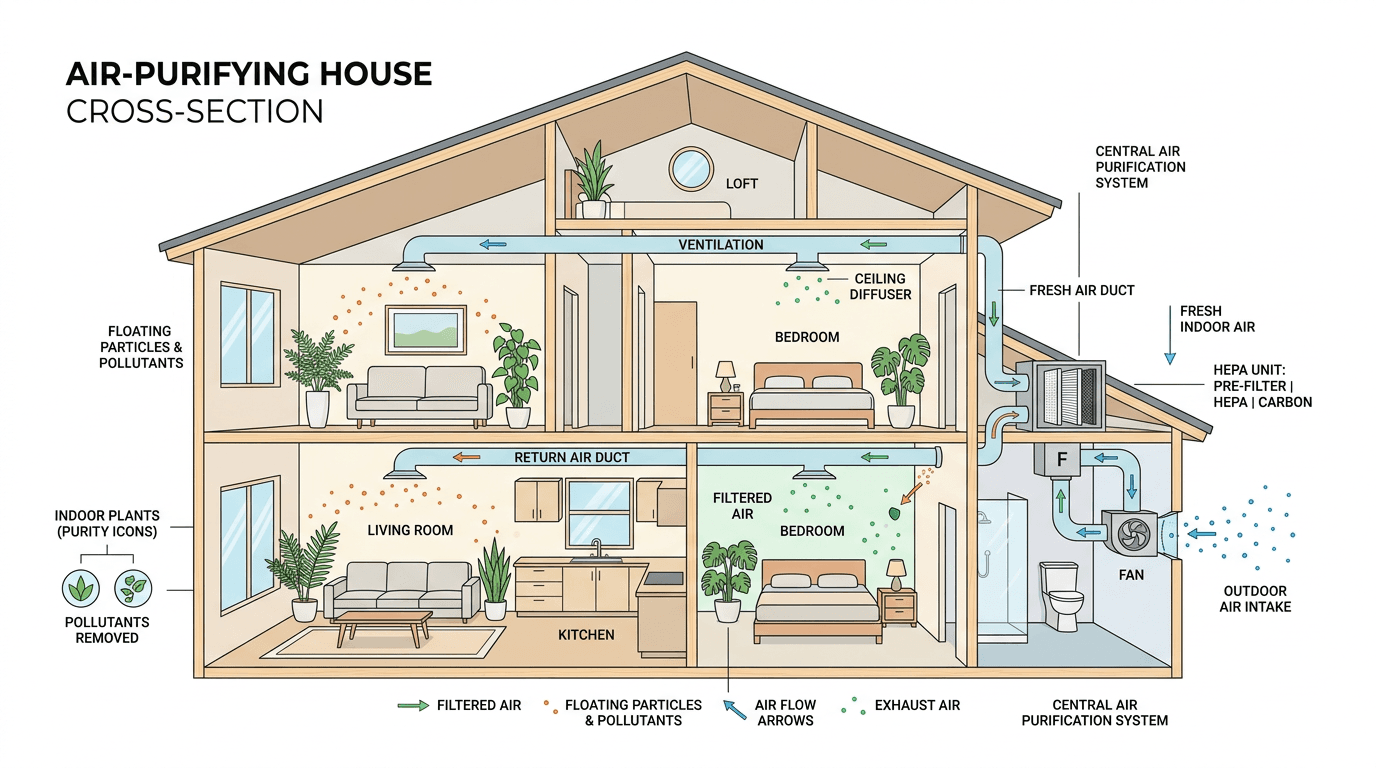
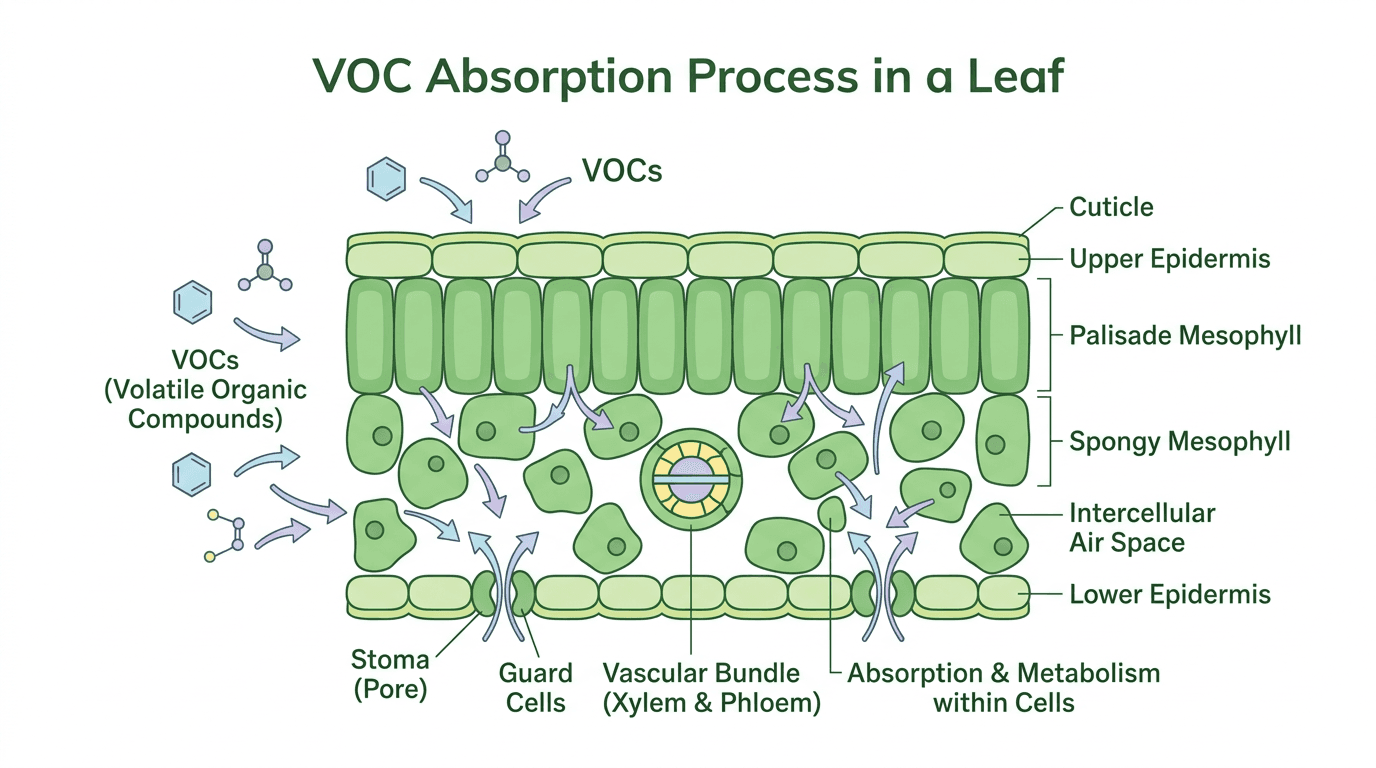
Beyond the aesthetic "vibe," there is a profound scientific reason to invest in a large indoor tree: atmospheric detoxification. In the late 1980s, NASA conducted the "Clean Air Study" to find ways to purify the air in space stations. The results were revolutionary for interior design. They found that large-leafed indoor plants are exceptionally good at removing Volatile Organic Compounds (VOCs) like formaldehyde, benzene, and trichloroethylene from the air.
In a low-light environment, where air circulation might be stagnant, a tree acts as a passive filtration system. The large surface area of a tree’s foliage, combined with the microbes in its soil, creates a "bio-wall" effect. Boldly stated: A single large Lady Palm in your bedroom can do more for your air quality than a small HEPA filter ever could. The plant absorbs toxins through its stomata and translocates them to the root zone, where soil bacteria break them down into plant food. It is a perfect, closed-loop recycling system that operates silently in the corner of your room.
Mastering the Micro-Climate: Precision Care for the Indoor Forester
The number one killer of low-light trees is not the lack of light—it is overwatering. Because a tree in a dim room is photosynthesizing more slowly, its metabolic rate is lower. It "perspires" (transpires) less water through its leaves and "drinks" less through its roots. If you water a low-light tree with the same frequency as a sun-drenched succulent, you will inevitably cause root rot.
To master the care of these giants, you must adopt the "Rule of Thirds." Only water when the top third of the soil is bone dry. Invest in a moisture meter or simply use the "finger test." Additionally, because these trees grow slowly, they require significantly less fertilizer. A "less is more" approach is the hallmark of the expert indoor forester. Dust is another hidden enemy; in low light, every photon counts. A layer of dust on the leaves acts like a curtain, further reducing the tree's ability to produce energy. Wiping the leaves down with a damp cloth once a month isn't just about aesthetics—it’s a vital act of maintenance.
Curating the Canopy: A HootFinds Buyer’s Guide
Selecting the right tree is only half the battle; you need the right tools and specimens to ensure long-term success. Here are our top recommendations for establishing your indoor woodland:
- The Statement Piece: — This is the gold standard for beginners. It features a thick, wood-like trunk and vibrant green leaves that thrive in almost any light condition.
- The Elegant Palm: — If you have a corner that needs a touch of "old-world" sophistication, the Rhapis Excelsa is unmatched. It’s slow-growing and incredibly resilient.
- The Low-Maintenance Giant: — Known for its braided trunk, the Pachira Aquatica is surprisingly tolerant of lower light, provided it isn't overwatered. It’s a symbol of prosperity and a powerhouse of air purification.
- The Modern Silhouette: — With its dark, moody, rubbery leaves, this tree (Ficus elastica) adds a bold "moody" aesthetic to any room. While it prefers medium light, it can adapt beautifully to lower-light corners.
- The Soil Optimizer: — Low-light trees need excellent drainage to prevent root rot. This organic mix provides the perfect aeration and nutrient density for indoor specimens.
- The Precision Tool: — Take the guesswork out of watering. This simple, battery-free tool is the best insurance policy you can buy for your indoor tree.
- The Aesthetic Anchor: — A large tree deserves a vessel that matches its stature. This heavy-duty, stylish planter ensures your tree has the stability and drainage it needs.
The Philosophy of the Slow Grow
In a world addicted to high-speed fiber optics and instant gratification, the low-light indoor tree is a radical lesson in patience. These trees do not "explode" with growth; they unfurl slowly, leaf by leaf, over months and years. They are a testament to the idea that life does not need a spotlight to be meaningful or beautiful.
When you sit in a room anchored by a six-foot Lady Palm or a towering Dracaena, the atmosphere changes. The air feels heavier—in a good way—saturated with the quiet dignity of a living thing that is content with exactly what it has. You aren't just "decorating" with a tree; you are cohabitating with a biological elder. You are creating a space where the frantic pulse of the outside world is filtered through a canopy of green, reminding you that even in the shadows, there is a profound and persistent capacity for growth.
By embracing the science of shade-tolerance and the art of minimal intervention, you can transform the dimmest corner of your home into a thriving, verdant sanctuary. The "urban jungle" isn't reserved for those with south-facing windows; it belongs to anyone with the patience to cultivate the quiet power of the understory.
Common Questions
🤔
Frequently Asked Questions
Which indoor trees thrive in low light and are easy to care for?▼
Shade-tolerant species like Dracaena and Parlor Palm excel in dim spaces because they evolved to capture limited light with broad leaves. They typically tolerate lower light levels, making them beginner-friendly. Place them away from cold drafts, ensure proper drainage to prevent root rot, and water only as the top inch of soil dries. With occasional rotation, they provide reliable greenery in north-facing or low-light rooms.
What is the Light Compensation Point and why is it important for indoor trees?▼
The Light Compensation Point is the light level at which photosynthesis balances respiration, so the plant neither gains nor loses energy. Many high-light trees have a high LCP and struggle in dim rooms, while shade-tolerant species possess a low LCP and can survive on low photon flux. Understanding LCP helps you select species and place them so they receive enough light to meet their energy needs. This knowledge guides practical choices for species selection and placement in homes with limited natural light.
How should I care for Dracaena or Parlor Palm in low light to prevent leaf drop?▼
In low light, avoid overwatering and ensure pots have drainage to prevent root rot; water only when the top inch of soil dries. Place these species in a brighter corner or near a window to maximize available photons, and rotate occasionally for even growth. Keep them in stable indoor temperatures and away from cold drafts. Regularly wipe dust from the leaves to improve photosynthetic efficiency.
Can I keep a healthy indoor tree in a north-facing or very dim room?▼
Yes, but choose shade-tolerant species and optimize placement to maximize the available light. If natural light is extremely limited, consider adding a low-intensity grow light to sustain growth without stressing the plant. Dracaena and Parlor Palm are good candidates for north-facing spaces due to their low Light Compensation Point. With careful acclimation and routine maintenance, these trees can thrive in dim interiors.