Blog3/5/2026
Restorative Sleep Sanctuary: Designing a Circadian Haven
9 mins Read
The Briefing
Quick takeaways for the curious
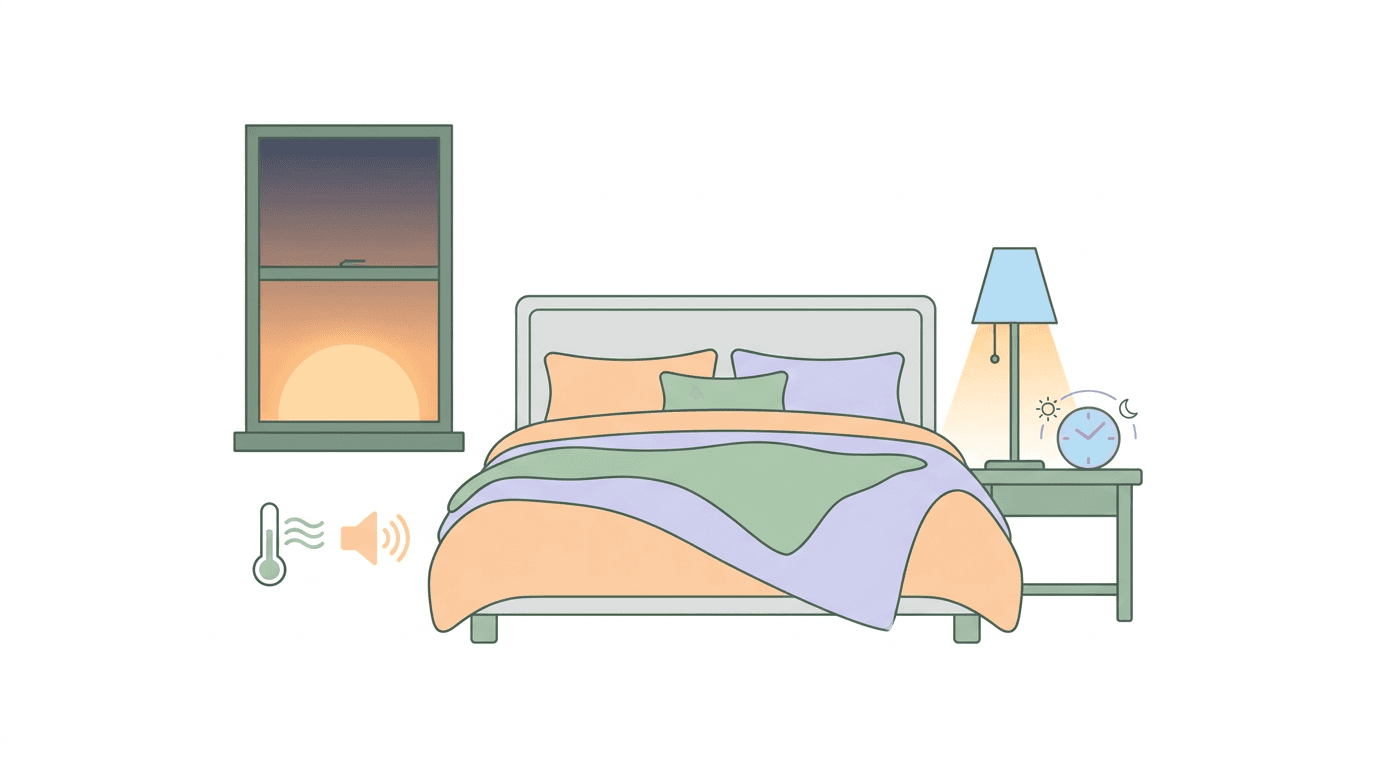
The Restorative Sleep Sanctuary reframes the bedroom as a high-performance refuge that actively protects sleep by aligning temperature, light, sound, and materials with the body's circadian needs.
Light hygiene is central: using warm-spectrum lighting that mirrors sunset and minimizing blue-light exposure helps preserve melatonin and accelerates the transition into restorative sleep.
Circadian sovereignty requires intentional design and daily routines that support the brain's clock, leveraging environmental cues like daylight exposure and dim, amber-toned lighting at night.
Thermal sovereignty emphasizes a controlled microclimate and breathable bedding to reduce sleep-disruptive friction and support healthy sleep architecture.
The restorative sleep movement treats the home as a dynamic biome, integrating evidence-based research into architecture and interior choices to optimize recovery for high-performers.
Title: The Architecture of Recovery: Designing the Restorative Sleep Sanctuary
We are currently navigating a profound technological recalibration, a cultural pivot where the "bedroom"—once a mere utilitarian space for nocturnal unconsciousness—is being strategically reimagined as a precision-engineered "Sleep Sanctuary." For decades, our relationship with rest was one of passive surrender; we collapsed into whatever bed was available, often under the flickering glow of a television or the intrusive blue light of a smartphone. But the tide has turned. We are moving away from the era of "accidental sleep" and into an era of "circadian sovereignty." The rise of the restorative sleep movement represents more than just a trend in interior design; it is a strategic reclamation of our biological imperative. It is no longer about simply closing one’s eyes; it is about a multi-sensory system that monitors the thermal, acoustic, and luminous integrity of our private environments. This is the new "Golden Age" of the restorative biome—a time when our homes are being redesigned as high-performance refuges, protecting the body's most essential reparative processes from the friction of an always-on, hyper-connected world.
The Chronobiological Command Center: Engineering the Circadian Rhythm
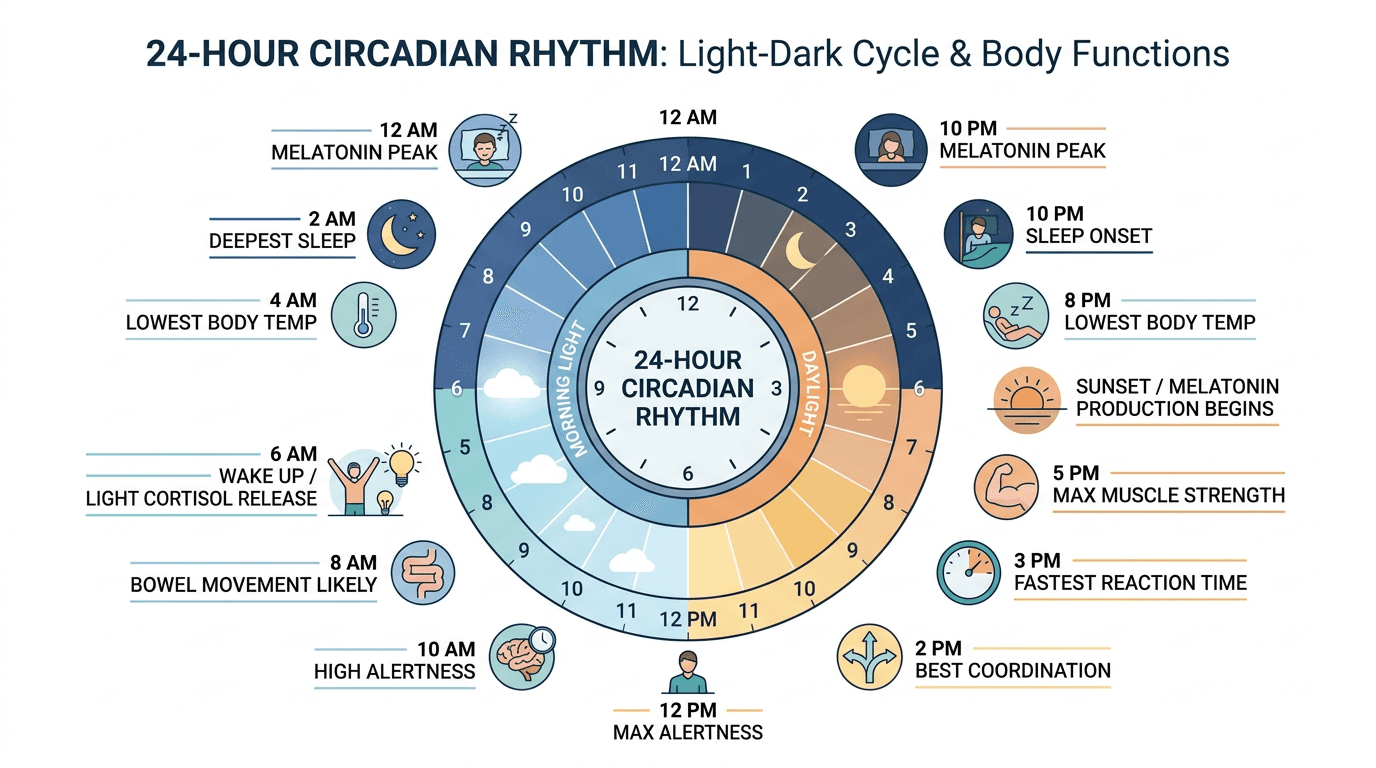
To understand why the sleep sanctuary has become the obsession of the modern high-performer, we must first look at the invisible clockwork of the human body. Our biology is governed by the suprachiasmatic nucleus (SCN), a tiny region in the brain that responds to environmental light cues. In the modern world, this system is under constant assault. We live in a permanent twilight of LED screens and streetlights, which suppresses the production of melatonin—the hormone responsible for signaling the body to enter a state of repair.
Creating a sanctuary requires a tactical approach to light hygiene. This isn't just about turning off the lights; it's about managing the spectral composition of your environment. Research from the Journal of Clinical Endocrinology & Metabolism indicates that exposure to room light before bedtime can shorten melatonin duration by about 90 minutes. To counter this, the modern sanctuary employs "warm-spectrum" lighting that mimics the sunset, signaling to the brain that the day is ending. By the time you reach the pillow, your brain should already be deep into its pre-sleep neurochemical cascade.
Thermal Sovereignty: The Science of the Sleeping Microclimate
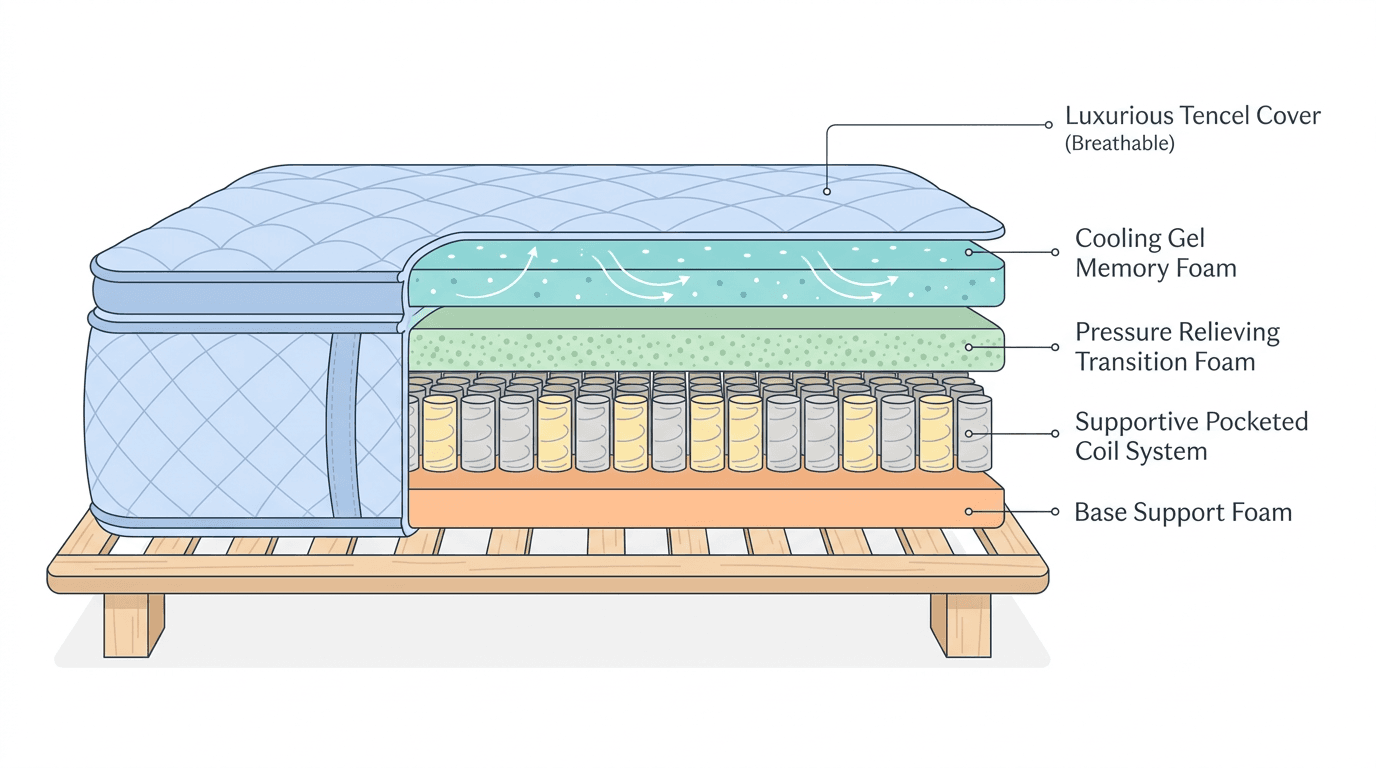
One of the most overlooked variables in the quest for restorative sleep is the thermodynamics of the mattress. As we transition into deep sleep, our core body temperature must drop by approximately two to three degrees Fahrenheit. If the environment is too warm, the body enters a state of thermal distress, triggering micro-awakenings that fragment the sleep architecture. We are moving away from the "insulative" era of heavy, heat-trapping foams and into an era of "active thermal regulation."
The goal is to create a microclimate that facilitates this heat shed. This is why high-end sleep sanctuaries often feature phase-change materials and active cooling systems. According to Dr. Matthew Walker, author of Why We Sleep, "The ideal bedroom temperature for most people is around 65 degrees Fahrenheit (18.3 degrees Celsius)." Achieving this consistently, regardless of the season, requires a sophisticated interplay between textile science and climate control. It is about maintaining a steady-state environment where the body doesn’t have to waste energy on thermoregulation, allowing that metabolic power to be redirected toward tissue repair and memory consolidation.
"Sleep is the single most effective thing we can do to reset our brain and body health each day — our mother nature's best effort yet at contra-death." — Dr. Matthew Walker, Neuroscientist and Sleep Expert.
Acoustic Insulation: Filtering the Chaos of the Anthropocene
In our increasingly urbanized existence, sound has become a form of environmental pollution that aggressively encroaches upon our recovery. Even if a noise doesn't fully wake you up, it can still trigger a "startle response" in the nervous system, spiking cortisol and heart rate during the night. The restorative sanctuary must therefore act as an acoustic fortress.
We are seeing a shift toward "functional soundscapes"—the use of pink noise, brown noise, or specialized spatial audio designed to mask disruptive external frequencies. Unlike white noise, which can be harsh, pink noise mimics the patterns found in nature (like rustling leaves or falling rain), which studies suggest can increase the duration of deep, slow-wave sleep. By curating the acoustic environment, we transition from being victims of our surroundings to being the architects of our own peace.
Ergonomic Architecture: The Physics of Spinal Alignment
The mattress is the foundation of the sanctuary, but the modern perspective views it as a piece of ergonomic machinery rather than a piece of furniture. We are currently witnessing a move toward "zonal support"—the idea that different parts of the body require different levels of resistance. Your shoulders need to sink, your lumbar needs to be pushed up, and your hips require a neutral balance.
Key components of a high-performance sleep surface include:
- Pressure Point Relief: High-density materials that distribute body weight evenly to prevent tossing and turning.
- Motion Isolation: Essential for couples, ensuring that one person's movement doesn't disrupt the other's sleep cycle.
- Breathability: Open-cell structures that allow for the "thermal sovereignty" mentioned earlier.
- Edge Support: Structural integrity that prevents the "roll-off" sensation, maximizing the usable surface area.
The Restorative Toolkit: Curating the Sanctuary Essentials
Building a sleep sanctuary requires a combination of high-tech intervention and low-tech sensory comfort. Below are the curated essentials that represent the pinnacle of current sleep technology and design.
- The Smart Bed Controller: For those who struggle with temperature, is the gold standard. This mattress cover uses water-powered cooling and heating to adjust the temperature of your bed in real-time, often based on your heart rate and sleep stages.
- The Circadian Light Source: To manage your light hygiene, allow you to automate your home’s lighting to shift from energizing blue tones in the morning to sleep-inducing ambers in the evening.
- The Sensory Deprivation Tool: For total darkness, the offers 100% blackout without putting pressure on the eyes, making it essential for midday recovery or those living in light-polluted areas.
- The Acoustic Shield: To mask urban noise, the provides high-fidelity non-looping fan sounds and white/pink/brown noise to create a consistent acoustic blanket.
- The Bio-Feedback Tracker: To measure the effectiveness of your sanctuary, the tracks your sleep stages, heart rate variability (HRV), and body temperature with medical-grade precision.
- The Sunrise Simulator: To wake up without the "cortisol spike" of a traditional alarm, uses a gradual light-based sunrise and soothing soundscapes to gently transition the brain from sleep to wakefulness.
- The Air Purity System: Ensuring the air you breathe is free of allergens and CO2 buildup, the combines HEPA filtration with powerful circulation to maintain "atmospheric sovereignty" within the bedroom.
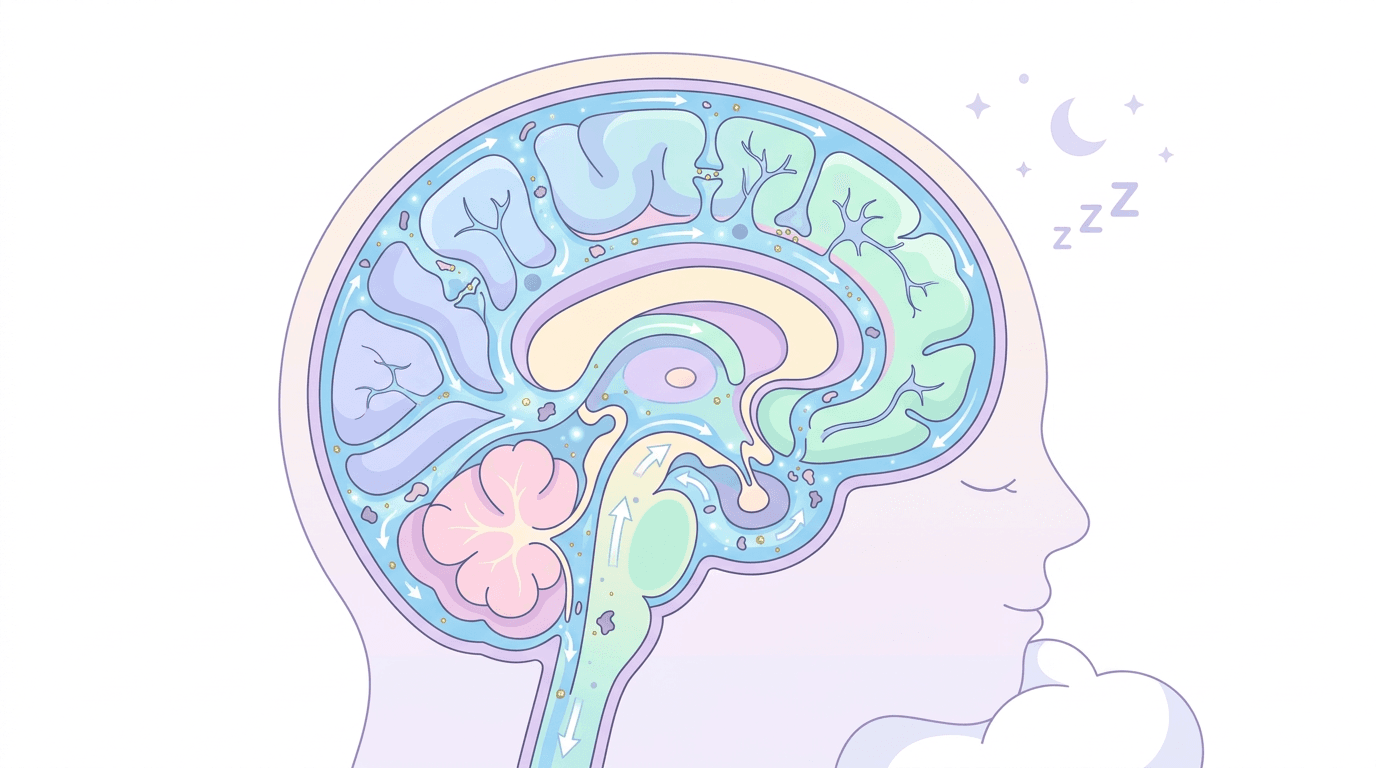
The Glymphatic System: The Biological "Night Shift"
Why do we go to these lengths? The answer lies in a relatively recent discovery in neuroscience: the glymphatic system. Think of it as the brain’s waste-management system. During deep sleep, the space between brain cells increases, allowing cerebrospinal fluid to wash away metabolic byproducts, including beta-amyloid—the protein associated with Alzheimer’s disease.
When we compromise our sleep sanctuary, we effectively "cancel the night shift" for our brain's cleaning crew. Over time, this buildup leads to cognitive decline, emotional instability, and a weakened immune system. By treating the bedroom as a sanctuary, we are providing the necessary conditions for this molecular detoxification to occur. It is a biological necessity disguised as a luxury.
The Future of Rest: Toward a Predictive Environment
As we look toward the future, the sleep sanctuary will become increasingly "predictive." We are entering an era where your bed, your lights, and your climate control will communicate via a unified "sleep OS." Imagine a room that senses your core temperature rising and automatically adjusts the AC, or a system that detects a dip in your blood oxygen levels and gently adjusts the incline of your mattress to open your airways.
We are moving away from the era of "static furniture" and into an era of "responsive environments." The bedroom is no longer a passive container for our bodies; it is an active participant in our health. It is the ultimate bio-hack—a space designed not just for living, but for the profound, essential act of becoming whole again every single night.
Conclusion: The Ultimate Investment
In our relentless pursuit of productivity, we have long viewed sleep as a luxury we can't afford. But the science is clear: rest is the foundation upon which all other performance is built. Creating a restorative sleep sanctuary is not merely an exercise in high-end interior design; it is a strategic investment in your future self. It is a recognition that your ability to think, create, and lead is directly proportional to the quality of your recovery.
As you look at your current bedroom, ask yourself: Is this a space that facilitates restoration, or is it a space that merely tolerates it? By reclaiming your "circadian sovereignty" and engineering your environment for purity, temperature, and silence, you aren't just sleeping better—you are reclaiming your humanity in an increasingly mechanical world. The most sophisticated technology you will ever own is your own body; it’s time you gave it the sanctuary it deserves.
Common Questions
🤔
Frequently Asked Questions
What is a sleep sanctuary and how does it differ from a traditional bedroom?▼
A sleep sanctuary is a purposefully designed space that uses environmental controls and design cues to actively support circadian health and restorative processes. It goes beyond a bed and mattress by integrating lighting, temperature, acoustics, and materials that align with the body's natural rhythms. This approach treats the bedroom as a high-performance refuge rather than a passive sleeping location. It aims to minimize sleep-disruptors and create a consistent pre-sleep cascade.
How does lighting affect melatonin and sleep quality?▼
Light exposure is a powerful regulator of melatonin, the hormone that signals the body to prepare for sleep. In the sanctuary, warm-spectrum lighting is used to imitate sunset and reduce blue light that suppresses melatonin. Research cited in the article shows that exposure to room light before bedtime can shorten melatonin duration by about 90 minutes, underscoring the importance of light hygiene. By shaping the spectral composition of the room, you signal your brain that night is approaching.
What is circadian rhythm and how can I optimize it in my bedroom?▼
The circadian rhythm is the body's internal 24-hour clock governed by cues like light and darkness, coordinated by the brain's suprachiasmatic nucleus. Optimizing it involves aligning wake and sleep signals with natural light cycles—bright exposure during the day and dim, warm lighting in the evening. In a restorative sleep sanctuary, you manage spectral lighting, reduce evening noise, and create a consistent sleep window to support the pre-sleep neurochemical cascade. Consistency in routine reinforces circadian sovereignty.
What practical steps can I take to create a thermal and acoustic microclimate for restorative sleep?▼
Implement a multi-sensory approach: regulate room temperature with appropriate bedding and ventilation, use breathable fabrics, and ensure good insulation to minimize drafts. Pair this with acoustic strategies like sound masking or soft materials that dampen noise to reduce sleep fragmentation. Align your thermal and acoustic environment with your sleep window by lowering heat and noise as bedtime approaches, and keeping the room pleasantly quiet through the night. These adjustments support the body's nocturnal repair processes and help maintain a stable sleep architecture.