Blog2/19/2026
Stop Running: Why Rucking Is the Ultimate Fat-Burning Hack You Need
5 minutes Read
The Briefing
Quick takeaways for the curious
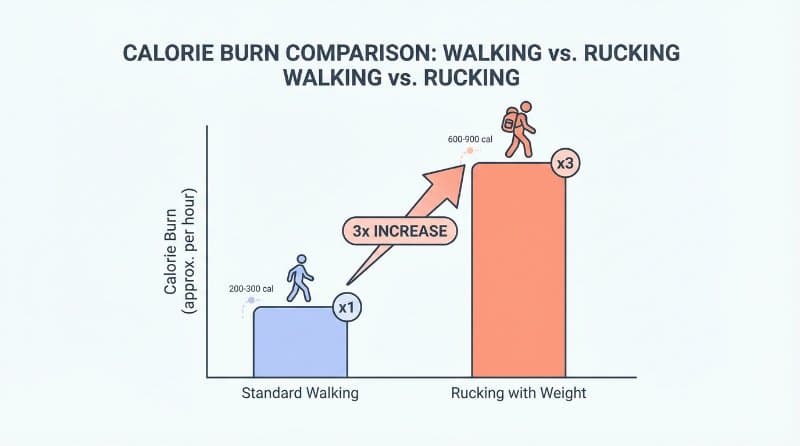
Rucking burns up to 3x more calories than standard walking by adding external load.
Proper packing requires keeping heavy weights high and close to the spine to prevent back injury.
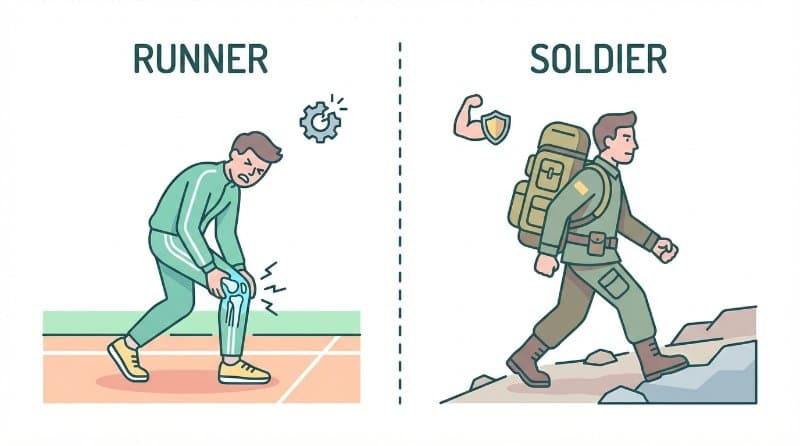
It serves as a low-impact alternative to running while providing both cardio and strength benefits.
Beginners should start with a load of 10-15% of their body weight to avoid strain.
Rucking improves posture and core strength by forcing the body to counter the weight.
1. The Antidote to the Desk-Bound Life
Modern life has developed an intimate relationship with the office chair, and the results aren't pretty: weakened muscles, brittle bones, and a metabolism moving slower than a sloth on a Sunday morning. While you could "shuffle by with a JanSport" or try some "hydro burpees" to shake things up, the most effective solution is often the simplest.
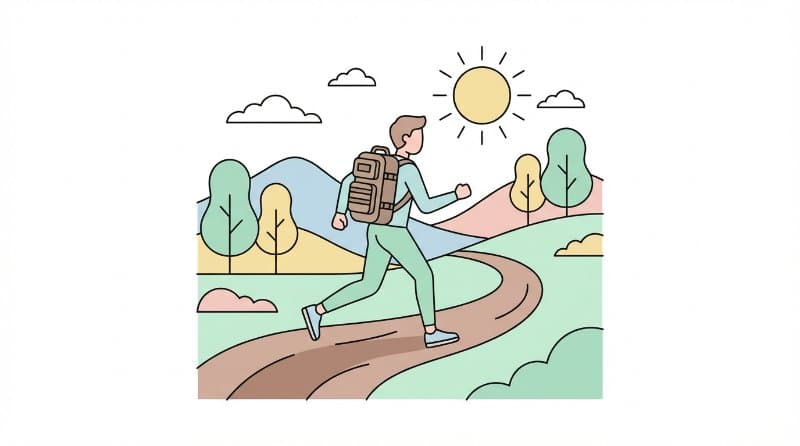
Enter rucking—the unassuming hero of functional fitness. At its core, rucking is simply walking with a weighted backpack . While it has deep roots in military history, where soldiers "embrace the suck" to build grit, it has evolved into a science-backed "full-body spa day" for your muscles. It turns a standard stroll into a purposeful, high-intensity workout.
Specialist Note: First and foremost, before you strap on a pack, check with your doctor. Even if you're fit, adding external load changes the "rules of engagement" for your heart and joints.
2. The 3x Rule: Turning a Walk into a Force Multiplier
If you’re short on time, rucking is your ultimate metabolic "force multiplier." Standard walking is great, but adding a weighted load can burn up to three times as many calories. To hit that high-ROI sweet spot, aim for a pace of 15 to 20 minutes per mile. If your pace drops significantly slower than that, your load is likely too heavy.
Rucking bridges the gap between cardio and strength training. It provides the heart-pumping action of jogging but with significantly less impact on the joints, making it a sustainable choice for life-long resilience.
"It combines cardio and strength training into a single, accessible activity. All you need is a backpack, some weight, and a place to walk. ... Rucking can triple your calorie burn compared to walking." — USAMM
3. High and Tight: The Counter-Intuitive Art of Packing
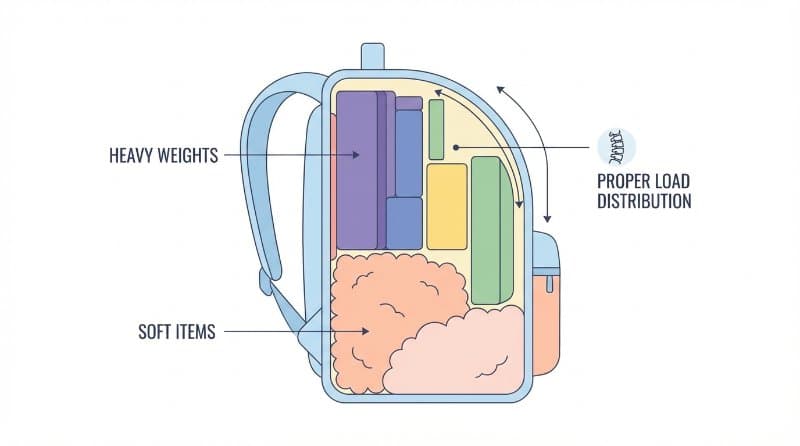
Proper weight distribution is what separates a training session from a trip to the chiropractor. Many beginners let weight sag to the bottom of the bag, which creates a painful torque on the lower back. The golden rule: keep the weight high and close to your spine.
Use the "Grocery-Pack Fix": stack your heaviest ruck plates or dense weights in the top-middle of the pack. Wedge them with soft fillers like hoodies to prevent "slosh." Most importantly, add a "soft buffer" at the lumbar—a rolled-up tee or towel—to protect against hard edges. When packed correctly, 80% of the load should be felt in your legs, which alleviates crushing pressure on your upper body and shoulders.
4. It’s Not Just a Leg Day: The Full-Body Stealth Workout
Your glutes provide the locomotion, but rucking is a stealthy full-body workout. To maintain posture under a load, you are forced into "active cardio"—pulling your shoulders back and engaging your core constantly. This prevents the "desk-hunch" and builds functional strength for real-world tasks, like sprinting through an airport with heavy luggage.
This constant engagement strengthens the back, shoulders, and "trap" muscles. If your pack features MOLLE (Modular Lightweight Load-carrying Equipment) webbing, you can further customize your kit with hip belts or sternum straps to stabilize the load, turning a simple path into a professional resistance training session.
5. Size is About Your Spine, Not Your Stature
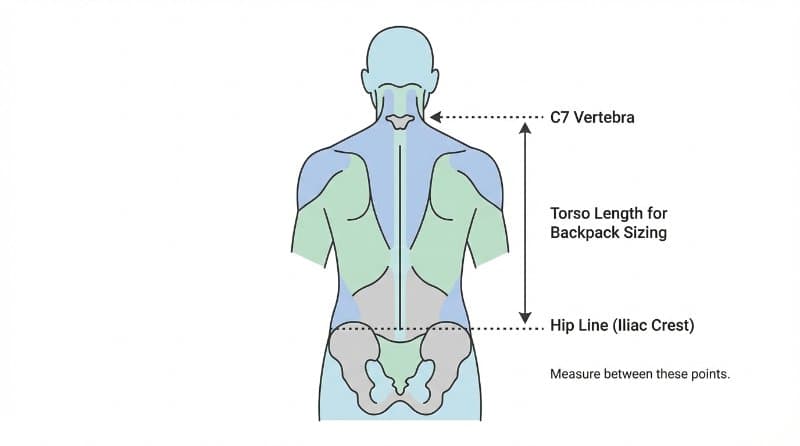
A common rookie mistake is picking a pack based on your height. In rucking, comfort is determined by torso length. To find your fit, put your hands on your hips—where the space between your thumbs and index fingers rests on the "squishy muscle" above your hip bones. Draw an imaginary line between your thumbs to your spine—that’s your starting point.
Next, tilt your head forward to find the C7 vertebrae (the bump at the base of your neck). Measure the distance between these two points.
Estimated Ruck Sizes Based on Torso:
- Extra-Small: Up to 15”+
- Small: 16–17”+
- Medium: 18–19”+
- Large: 20”+
6. The "Natural Mood Booster": Why the Weight Makes You Lighter
Beyond the physical gains, rucking is a powerful mental reset. The steady, meditative rhythm of the stride, combined with the "outside is better than inside" philosophy, creates a natural endorphin release. It clears "brain fog" and melts away the mental fatigue of a digital world.
There is a psychological benefit to "embracing the suck." Carrying a heavy pack requires focus and grit, allowing the worries of the day to dissipate as you concentrate on the path ahead. It’s a journey toward mental clarity where the external weight actually makes your internal burdens feel lighter.
7. The 10% Golden Rule: Starting Small to Stay in the Game
The most frequent beginner mistake is overloading on Day One. In a culture that demands "too much, too soon," rucking rewards patience. To avoid strain injuries, start with a load that is roughly 10–15% of your total body weight.
Progression should be "slow and low." Aim to add only 5 pounds or increase your distance by 10% every few weeks. On your active recovery days, stick to light walking, yoga, or swimming to aid muscle repair. Consistency is the goal; celebrating the small victory of a two-mile walk with a light pack is far more valuable for long-term health than a single, grueling march that leads to injury.
Conclusion: Your Move Toward a More Resilient Self
Rucking is more than a fitness trend; it is a return to a fundamental human movement. It transforms a simple, shuffling walk into a purposeful stride, building a body that is as functional as it is fit. In a world of high-tech fitness fads, are you ready to see how far a simple pack and a path can take you?
Common Questions
🤔
Frequently Asked Questions
What is rucking?▼
Rucking is a form of exercise that involves walking or hiking while carrying a weighted backpack to increase calorie burn and build strength.
How much weight should I carry when rucking?▼
Beginners should start with a weight that is approximately 10% to 15% of their total body weight and increase the load gradually.
Is rucking bad for your back?▼
When done correctly with proper posture and weight distribution (high and tight), rucking strengthens the back muscles. However, poor form or overloading can cause strain.